Trump’s “Peace President” Image Fuels New Conflicts
Donald Trump's "president of peace" image is being challenged by a series of military actions during his current term. Analysis suggests his unpredictable approach and potential de-emphasis on international outcomes may create bargaining frictions, paradoxically increasing the risk of conflict.

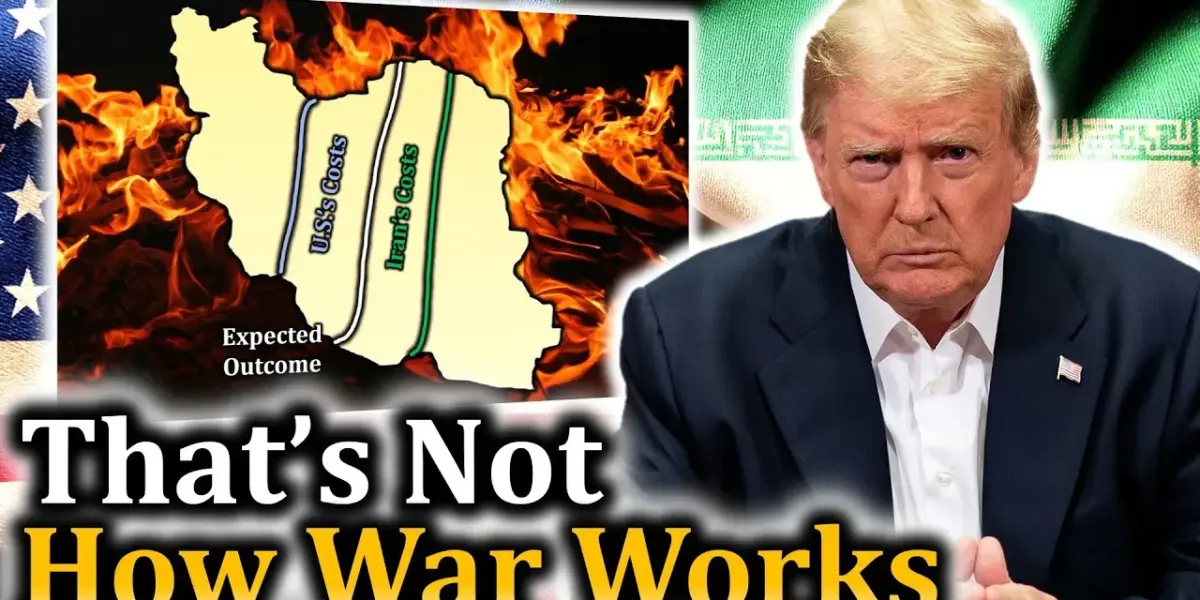
Trump’s “Peace President” Image Fuels New Conflicts
Donald Trump, who often describes himself as a “president of peace” and has even been recognized with a FIFA Peace Prize, appears to be involved in more conflicts during his current term than his previous one. While his first term saw limited strikes in Syria and the assassination of a top Iranian official, he largely avoided initiating major new hostilities. However, recent events show a more active Pentagon, including a two-month war against the Houthis in March 2025, a one-day operation targeting Iran’s nuclear program in June, and extended anti-cartel operations in Venezuela that led to the capture of Nicolas Maduro in January. Now, a war with Iran is underway, alongside other smaller, targeted strikes. This shift has raised questions about how a self-proclaimed “president of peace” finds himself engaged in so many military actions.
The Shifting “America First” Doctrine
Prior to the recent conflict, dubbed Operation Epic Fury, Trump’s “America First” supporters were largely content with his foreign policy. It wasn’t the isolationism they might have expected, but the military actions had a minimal footprint. The United States avoided deep commitments to any region, reducing the risk of significant downside for the country, unlike the prolonged wars of the George W. Bush era. Even with the ongoing war in Iran, polls suggest only a small portion of Trump’s base has become disenchanted. However, these individuals, along with others, are questioning the “president of peace” narrative.
Challenging the “Peace President” Premise
The idea that a “peace president” would lead to fewer wars faces several challenges. Firstly, the premise of Trump being a peace president might be inaccurate. While he may not value traditional international outcomes as much as the established Washington consensus, this doesn’t automatically translate to a reduction in conflict. His supporters, drawn to the “America First” slogan, interpreted it in different ways. Some heard isolationism, while others heard a call for assertive, unilateral action. Trump’s past stances on issues like Ukraine and NATO activities suggest a complex approach to international relations that doesn’t fit a simple “peace” label.
Furthermore, the assumption that a leader who desires peace will necessarily create more peace misunderstands the fundamental causes of war. War often arises from what economists call “bargaining frictions.” These are the obstacles that prevent parties from reaching a peaceful agreement, even when a peaceful outcome would be better for everyone involved. War is costly, and both sides would ideally prefer a settlement that reflects the likely outcome of a conflict without the bloodshed and destruction. When these frictions exist, even a leader who prefers peace might find themselves at war.
How Uncertainty Breeds Conflict
A key argument is that Trump’s approach creates its own form of bargaining friction. His unpredictability makes it difficult for both allies and adversaries to understand his true objectives or “bottom line” in negotiations. This uncertainty can lead to situations where the U.S. engages in conflict because the opposing party misjudges Trump’s willingness to compromise. For instance, if an adversary believes Trump is highly flexible and will concede on most issues, they might make extreme demands. If, however, Trump is actually resolved on a particular issue, this miscalculation can lead directly to war.
This dynamic is explained through game theory, specifically the concept of the “peace premium.” Imagine a situation where Iran is unsure of Trump’s true minimum demand in negotiations. This uncertainty might stem from not knowing the full extent of U.S. military capabilities or the potential side effects of a conflict on other U.S. interests. The “peace premium” is the extra amount an opponent must “overpay” to satisfy the more demanding version of Trump, ensuring a deal is struck. If this premium is small, making a risky demand that could lead to war becomes less attractive for the opponent, as the potential gain is minimal compared to the cost of fighting.
However, research suggests that when a leader like Trump cares less about the stakes, the “peace premium” actually becomes larger. This is counterintuitive. If Trump places less value on the outcome, his minimum demands can spread further apart. This wider gap increases the possibility of bargaining breakdown. When Trump cares deeply about an issue, his demands are closer to the expected outcome of war, potentially making a negotiated settlement more likely. Conversely, when he cares less, the potential for miscalculation and conflict grows.
The Nobel Prize Paradox
Trump’s apparent desire for a Nobel Peace Prize adds another layer to this complexity. While some might dismiss this as personal eccentricity, it can be modeled as a factor influencing his decisions. From a game theory perspective, a desire for a peace prize effectively lowers the perceived cost of war for Trump. It makes accepting a peaceful settlement more attractive. However, this doesn’t necessarily reduce the likelihood of war. In fact, as previously explained, a leader who is less concerned with traditional international outcomes but has a strong incentive to appear peaceful can paradoxically increase the risk of conflict due to heightened uncertainty and larger bargaining gaps.
Conclusion: Uncertainty as a Catalyst
The label of “peace president” applied to Donald Trump may be misleading. Even if he genuinely desires peace, the presence of bargaining frictions is a primary driver of war. It is possible that Trump’s unique approach, characterized by unpredictability and a potentially lower valuation of international outcomes, can exacerbate these frictions. This, in turn, can paradoxically lead to more conflict rather than less. The strategic interactions, rather than a simple desire for peace, ultimately determine the path to war or negotiation.
Source: Why “Peace President” Donald Trump Fights So Many Wars (YouTube)

Related Articles
Trump Weighs War Crime Threat Over Iran Strait
President Trump is reportedly willing to accept the continued closure of the Strait of Hormuz, despite earlier threats, signaling a shift in U.S. demands. This comes as gas prices surge and markets react negatively to the ongoing conflict. Conflicting messages from within the administration fuel confusion about the war's objectives and exit strategy.

Trump’s Wealth vs. Biden’s Economy: A Stark Contrast?
A debate contrasts Donald Trump's reported crypto earnings with concerns over Biden's economy, including rising inflation and gas prices. The discussion critically examines proposed fiscal policies and their impact on national debt and social programs.
Trump’s Iran War Falters, Retreat Looms Large
Reports indicate a potential shift in the Trump administration's strategy regarding Iran, moving from ambitious military goals to a possible withdrawal. This pivot raises questions about effectiveness, regional stability, and the evolving nature of modern warfare.