Markets Ignore Trump’s Iran Tweets Amid Volatility
Global markets are showing less sensitivity to President Trump's statements on Iran, a shift from previous volatility. Traders are now discounting political pronouncements, and sophisticated trading algorithms are adapting to this new reality.

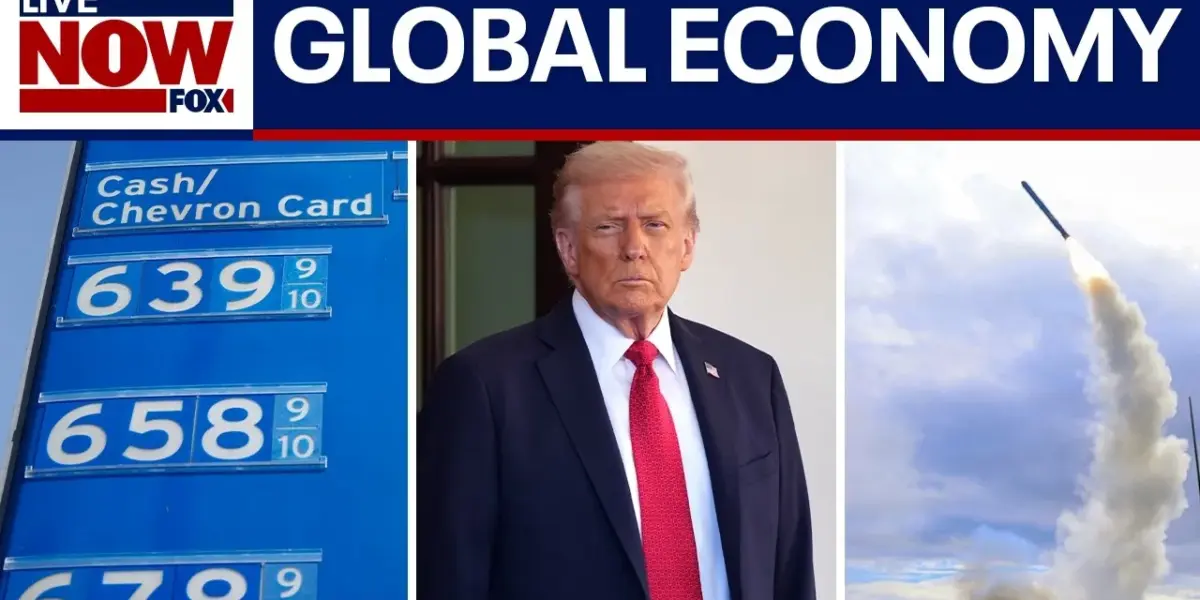
Markets Show Less Reaction to Trump’s Statements on Iran
Wall Street and global markets are becoming less responsive to President Trump’s social media posts and statements regarding tensions with Iran. This shift comes after a period of significant market swings tied to presidential pronouncements. Last week saw a sharp downturn in both the stock and bond markets as oil prices surged. However, recent statements from the president, including one suggesting de-escalation with Iran, have had a muted impact.
Traders Discounting Political Statements
Over the past few weeks, traders and investors on Wall Street have begun to discount statements from President Trump and Iranian officials. This change in behavior stems from past experiences where pronouncements did not lead to expected outcomes. Many in the financial world have seen statements prove false before and are hesitant to make large bets based on uncertain information. This cautious approach means that even immediate market reactions to posts, like those on Truth Social, are now often reversed quickly.
A Year of Shifting Market Dynamics
The market’s reaction today stands in contrast to events nearly a year prior. In April of the previous year, President Trump’s decision to pause tariffs led to a significant rally in the stock market. This past year, however, has shown a different dynamic. As recalled, the market experienced a major boost when Trump pulled back from aggressive tariff threats. Since then, market participants have learned that not all initial policy announcements, or subsequent walkbacks, can be taken at face value.
The Role of Algorithmic Trading
The Trump administration has stated that these pronouncements are part of a negotiating tactic. The goal is to keep adversaries off balance, especially in a wartime situation, and to maintain discretion over future actions. However, in markets that trade in milliseconds, this approach creates volatile and unpredictable price movements. Large computer programs, known as algorithms, trade stocks, bonds, and other assets in real-time. These algorithms respond instantly to every utterance, but they are increasingly trained to give less weight to presidential statements.
The market has learned since then that you can’t take all of those statements at face value. Both the initial policy pronouncements as well as some of the sort of walkbacks after the fact as well.
Oil Prices Remain a Key Concern
While the direct impact of political statements may be waning, the price of oil remains a critical factor for the global economy. Oil traders and Wall Street investors have noted a pattern where pronouncements from President Trump often occur when oil prices approach or exceed $110 a barrel. Such high prices can cause significant financial strain for consumers worldwide. Whether this timing is a deliberate strategy or a coincidence, the financial community clearly believes it is a tactic to influence market prices, either to lower oil costs or boost stock and bond values.
Algorithms Adapt to Information Overload
Algorithmic trading strategies process vast amounts of data to make trading decisions. The developers of these trading programs continually adjust the parameters of what information to consider, prioritize, or ignore. As a result, both computer-driven strategies and human traders are becoming more cautious. They are increasingly choosing to wait and see the real-world implications of statements before acting. This means that the immediate, sharp market reactions seen in the past are becoming less common, leading to more complex and sometimes zigzagging trading days.
Future Market Watch
Moving forward, investors will likely continue to monitor the interplay between geopolitical events and market reactions. The increasing sophistication of trading algorithms and the market’s growing skepticism towards political pronouncements suggest a continued period of nuanced volatility. The price of oil will remain a key indicator to watch, as will any official communications that could signal shifts in international relations and their subsequent economic impact.
Source: Iran war impacts global economy (YouTube)

Related Articles

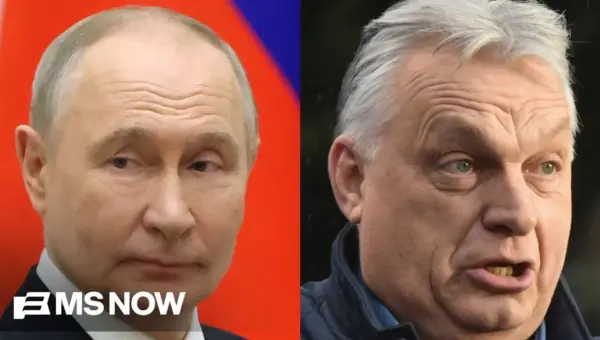
Hungary-Russia Collusion Alleged in Bid to Lift Sanctions
A new report alleges that Hungary's foreign minister colluded with Russia's Sergey Lavrov to lift EU sanctions on Russian oligarchs and entities. Intercepted calls, authenticated by experts, suggest Budapest acted as a Kremlin agent. The revelations surface as Hungary heads into a critical election, raising concerns about Russian interference and the country's future within the EU.
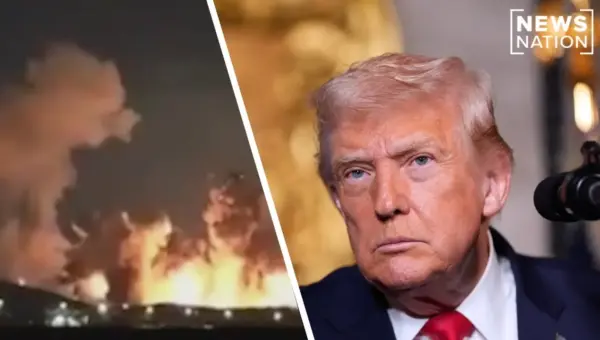
US Strikes Iran, Escalates Nuclear Fight
U.S. forces have reportedly struck a key Iranian city linked to its nuclear and missile programs, escalating tensions. President Trump's administration is increasing military pressure while also pursuing diplomatic talks, creating a complex geopolitical situation.
US Troops Show Unwavering Resolve in Fight Against Iran
U.S. troops on Operation Epic Fury exhibit remarkable unity, competence, and urgency in their mission against Iran. Facing challenges with innovation and determination, they prioritize finishing the fight for future generations. The operations aim to degrade Iran's military capabilities and prevent nuclear proliferation, signaling a decisive period ahead.