Congress Recesses Amidst War, Leaving Key Issues Unresolved
Congress has adjourned for a two-week recess amidst ongoing war and significant funding disputes, particularly concerning the TSA and ICE. This move has drawn criticism for prioritizing political battles over national duties, raising questions about legislative effectiveness and governmental priorities.

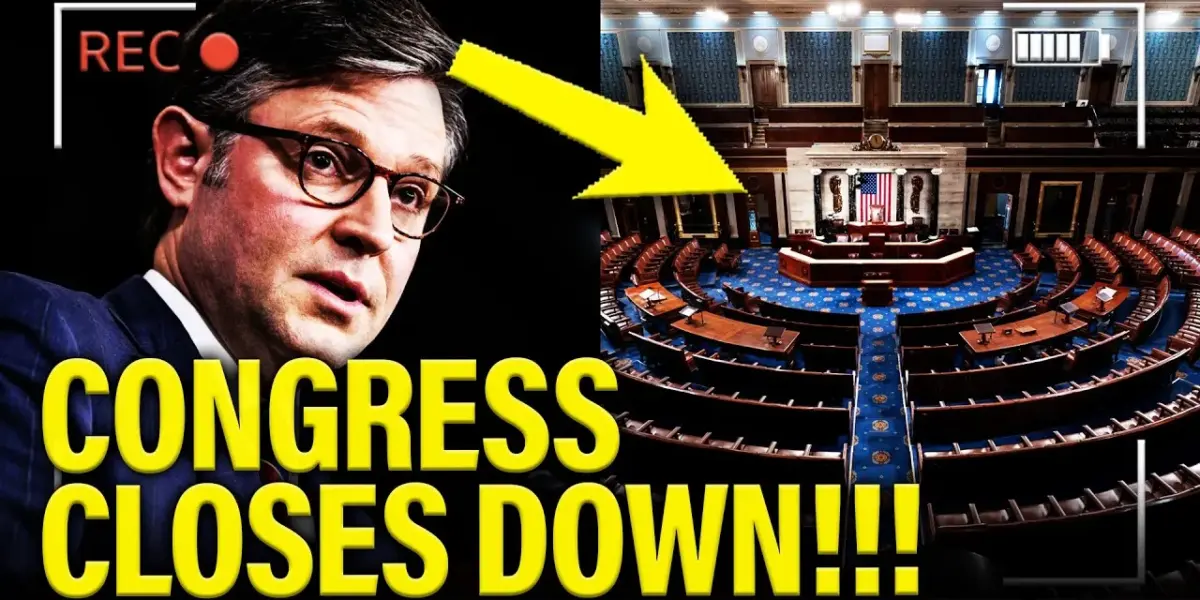
Congress Recesses Amidst War, Leaving Key Issues Unresolved
In late March 2026, the United States House of Representatives declared a recess, effectively shutting down for nearly two weeks. This decision, signed by Speaker Mike Johnson, came at a time when the nation is engaged in military conflict. This move has sparked debate about Congress’s priorities and its constitutional duty to authorize military action.
Funding Disputes and Recess
The immediate trigger for the recess was a disagreement over funding for the Department of Homeland Security (DHS), specifically concerning the Transportation Security Administration (TSA) and Immigration and Customs Enforcement (ICE). The Senate had passed a bipartisan bill to fund the TSA without additional money for ICE, as ICE had already received substantial funding. However, the House, under Republican leadership, blocked this measure. Republicans insisted on including provisions related to border security and other issues, which Democrats opposed. This impasse led to the House adjourning for a district work period, leaving TSA employees unpaid for a time.
This situation highlights a recurring problem in Washington: partisan gridlock preventing essential government functions from operating. Democrats argued that Republicans were holding TSA funding hostage to push their own agenda, while Republicans contended that border security was a national priority that needed immediate attention. The transcript suggests that Donald Trump’s influence played a role, with his administration previously suggesting executive orders to fund TSA, indicating a willingness to bypass Congress on certain issues.
“The House said, ‘No, we’re not going to do anything unless we agree to like bully transgender people or whatever the hell Donald Trump wants.’”
Criticism of the Recess
The decision to go on recess while the country is at war and facing domestic funding disputes drew sharp criticism. Many, including Democratic members of Congress, argued that elected officials should be working to address pressing national issues rather than taking an extended break. The timing of the recess, right before major holidays, further fueled these concerns. The transcript features strong language, with some calling the recess a “vacation” while the nation is “at war.” This sentiment suggests a disconnect between the actions of Congress and the expectations of the American public.
The Role of ICE and Border Security
A significant part of the debate revolves around the role and funding of ICE. Democrats have raised concerns about the conduct of ICE agents, citing instances of alleged overreach, lack of transparency, and violations of citizens’ rights. They have called for reforms, such as requiring agents to wear body cameras, use search warrants, and identify themselves, arguing that these are standard practices for local law enforcement.
Republicans, on the other hand, prioritize increased funding and stricter enforcement at the border. They argue that enhanced resources for ICE and Border Patrol are crucial for national security and controlling illegal immigration. The transcript reveals a Republican congresswoman expressing frustration with her party’s inability to achieve its goals, stating, “It’s extremely frustrating. And that’s why we passed a bill for the fourth time to make sure that we pay… our department of homeland security agents.” This internal dissent within the Republican party suggests internal divisions on strategy and effectiveness.
War Authorization and Foreign Policy
The discussion also touches upon the broader issue of war authorization and foreign policy. Senator Catherine Cortez Masto, interviewed in the transcript, emphasizes the constitutional requirement for Congress to authorize military action. She criticizes the administration for a perceived lack of a clear strategy, exit plan, and focus on the human cost of war. The senator also expresses concern about the administration’s rhetoric regarding foreign conflicts and its impact on international relations and domestic economic stability.
The transcript highlights concerns about potential Russian and Iranian collaboration against the United States and criticizes the administration’s response, including the lifting of sanctions. The interviewees express alarm at what they see as a reckless approach to foreign policy, with a focus on displays of power rather than diplomacy. The gutting of the State Department and diplomatic channels is seen as a critical failure, leaving the nation less equipped to handle international challenges.
Why This Matters
This situation underscores a fundamental tension in American governance: the balance between partisan politics and the need for effective, timely action on critical national issues. When Congress is unable to fulfill its basic functions, such as funding essential services or debating war, it erodes public trust and can have serious consequences. The debates over TSA funding, ICE, and foreign conflicts highlight deeply held disagreements about national priorities and the role of government. The current political climate, characterized by intense polarization, makes compromise increasingly difficult, leading to legislative paralysis and a perception that Washington is out of touch with the needs of everyday Americans.
Implications and Future Outlook
The ongoing partisan battles and the use of recess as a political tool suggest that these challenges will likely persist. The upcoming election cycles could further intensify these divisions. The reliance on executive orders and the struggle for basic appropriations point to a weakening of Congress’s traditional role as the primary legislative body. The war in the Middle East and escalating international tensions add another layer of complexity, requiring a unified and strategic approach that seems difficult to achieve in the current political environment.
The transcript also raises questions about the long-term impact of these funding disputes on federal employees and public services. The potential for the misuse of agencies like ICE for political intimidation, as suggested by one speaker, is a grave concern for democratic processes. As the nation faces both domestic and international challenges, the ability of Congress to function effectively remains a critical question for the future.
Source: MAGA Mike CLOSES DOWN House as Trump’s TERM COLLAPSES!!! (YouTube)

Related Articles

Johnson’s Shutdown Blunder Sinks GOP House Hopes
House Speaker Mike Johnson's refusal to fund the Department of Homeland Security has put Republicans in a tough spot. This move could cost them control of the House, as the dispute threatens to drag on and alienate voters.
GOP Eyes Party-Line DHS Funding to Sidestep Democrats
Republicans are considering a party-line strategy to fund the Department of Homeland Security (DHS) through budget reconciliation. This move aims to bypass Democrats and secure funding for the next three years, removing a key point of leverage in future negotiations and potentially setting a precedent for partisan legislation.

MAGA Movement’s Grip: Echoes of January 6th Persist
Audio from January 6th reveals a disturbing justification for the actions of Ashli Babbitt, highlighting the persistent and troubling narratives within parts of the MAGA movement. This mindset continues to pose challenges to democratic norms.