Trump’s Iran Threats Spark War Crime Concerns
President Trump's threats to strike Iran's civilian infrastructure, including power plants and desalination facilities, have ignited concerns over potential war crimes. While the administration insists it will act within legal bounds, the rhetoric raises serious questions about targeting non-military assets. The strategy appears aimed at pressuring Iran into a deal through a display of overwhelming military force.

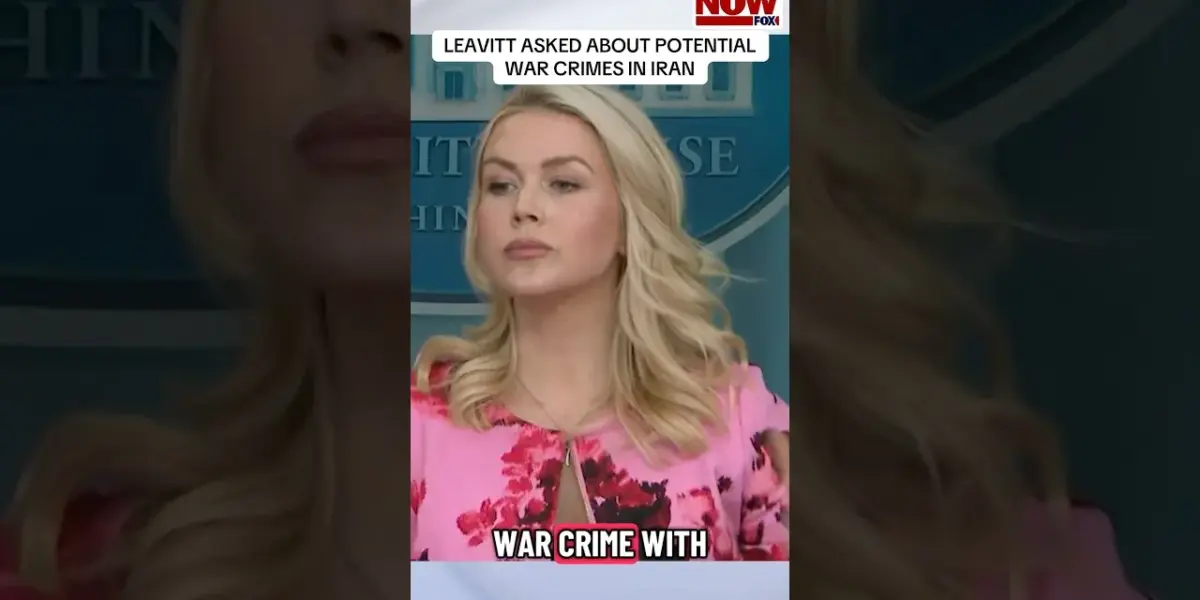
Trump’s Iran Threats Spark War Crime Concerns
President Trump’s recent statements threatening to strike Iran’s civilian infrastructure, including power plants and desalination facilities, have raised serious questions about potential war crimes. These remarks, made public this morning, suggest a willingness to target facilities vital to Iran’s daily life. The administration’s stance is being scrutinized for its alignment with international law, which generally prohibits attacks on civilian infrastructure.
Escalating Rhetoric and Legal Questions
In a recent statement, President Trump outlined a stark warning to the Iranian regime. He suggested that if Iran does not agree to a deal, the United States possesses military capabilities that are beyond their wildest imagination. The President, according to his spokespeople, is prepared to use these tools if necessary. This rhetoric has led to direct questioning about the legality of targeting civilian assets.
When asked to clarify the President’s intentions, Karoline Leavitt, a spokesperson, emphasized the administration’s commitment to achieving the objectives of ‘Operation Epic Fury.’ She stated that the President has made his position clear to the Iranian regime: a deal is the best path forward, or face consequences. Leavitt asserted that the United States armed forces will always operate within the bounds of the law. However, she also stressed that President Trump will proceed with his plans without hesitation, expecting Iran to negotiate.
“The President has made it quite clear to the Iranian regime at this moment in time… that their best move is to make a deal or else the United States armed forces has capabilities uh beyond their wildest imagination. And the president is not afraid to use them.”
International Law and Civilian Targets
International law, particularly the Geneva Conventions, strictly forbids the targeting of civilian infrastructure. Such actions can be classified as war crimes. The concern is that hitting electric generating plants, oil wells, or desalination plants directly impacts the civilian population, disrupting essential services like power, fuel, and clean water. These are not military targets and attacking them could be seen as an attempt to inflict widespread suffering on non-combatants.
When pressed on how striking a desalination plant, for instance, would help achieve the administration’s objectives, the response reiterated the need for Iran to make a deal. The focus remains on pressuring the regime through a display of overwhelming military strength and the threat of its use. The administration maintains that while acting within legal frameworks, they are prepared to take decisive action to achieve their foreign policy goals with Iran.
Operation Epic Fury and Diplomatic Pressure
Operation Epic Fury appears to be the overarching framework for the administration’s strategy concerning Iran. The threats against civilian infrastructure are presented as a means of escalating pressure on the Iranian government to return to negotiations and agree to terms favorable to the United States. The underlying message is that Iran faces severe repercussions if it does not comply with the administration’s demands.
The administration’s strategy blends assertive military posturing with a clear diplomatic objective. The goal is to compel Iran to negotiate by demonstrating a readiness to inflict significant damage on its economy and infrastructure. This approach, however, walks a fine line with international legal norms, creating a tense situation that experts and international observers are closely monitoring.
Looking Ahead
The coming weeks will be critical in determining Iran’s response to these escalating threats and the administration’s next steps. Whether Iran will be pressured into a new deal or if the situation will devolve into further confrontation remains uncertain. The international community will be watching closely to see if the United States adheres strictly to international law or if President Trump’s threats translate into actions that could have severe humanitarian and legal consequences.
Source: Karoline Leavitt is asked about President Trump's threats to strike Iran's civilIan infrastructure. (YouTube)

Related Articles

Hegseth Undermines Trump’s War Plans Daily
Pete Hegseth, Trump's Secretary of Defense, is reportedly undermining the former president's stated war plans with Iran. Conflicting timelines, shifting objectives, and ethical questions surrounding financial dealings create significant uncertainty. This situation highlights the challenges of clear communication and strategic consistency in national security.


Iran’s Strategy: Humiliate the West, Cause Global Pain
Iran's leaders are reportedly using energy and fertilizer shortages to inflict global pain and humiliate the West. This strategy could lead to a harsh winter for Europe and food crises worldwide. The situation raises concerns about potential military escalation.

US Troops Show ‘Urgency’ in Middle East Fight
U.S. troops in Operation Epic Fury are demonstrating "wartime speed" and a powerful sense of mission focus, according to a recent Pentagon visit. Service members expressed a strong desire to finish the fight quickly for future generations, requesting more resources for operations rather than personal comforts. The ongoing pressure aims to compel Iran to negotiate, with continued military action planned if diplomacy fails.