ICE Presence at Airports Sparks Intimidation Concerns
The deployment of ICE agents to U.S. airports amid the government shutdown is drawing criticism as an act of intimidation, despite claims it's to support TSA workers. Political deadlock over DHS funding continues, impacting federal employees and travelers alike.

ICE Presence at Airports Sparks Intimidation Concerns
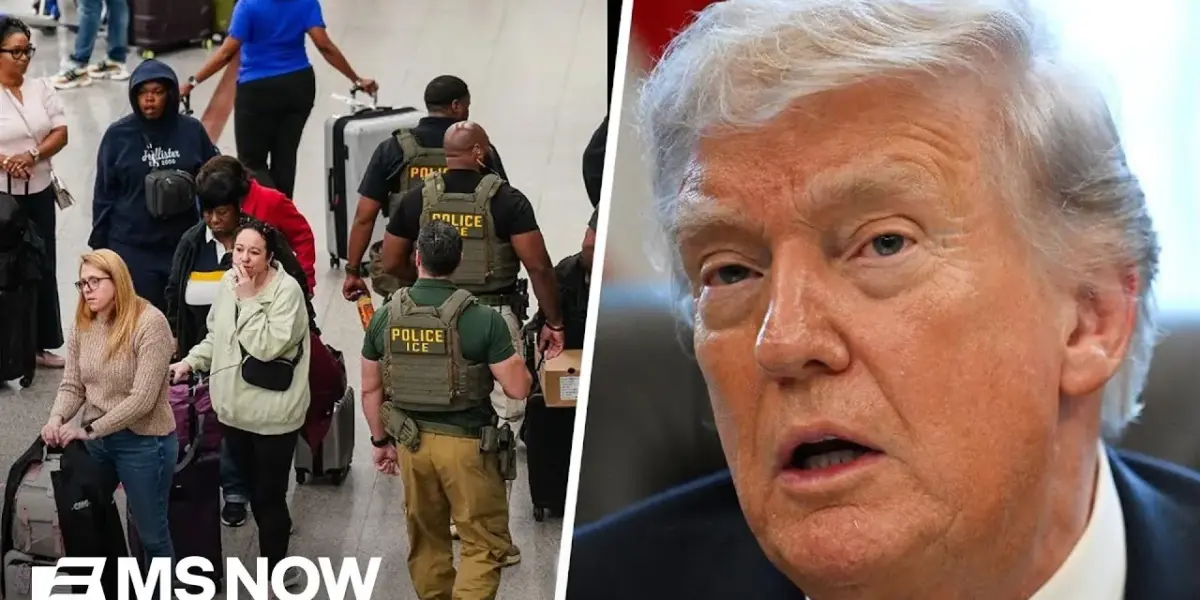
The presence of Immigration and Customs Enforcement (ICE) agents at airports during a period of government shutdown has sparked debate, with some critics calling it an act of intimidation. The issue arose as Transportation Security Administration (TSA) agents, who are federal employees, worked without pay due to the shutdown. In response, ICE agents were deployed to assist at some airports, a move that has drawn sharp criticism.
Political Stalemate Fuels Airport Disruptions
The situation at airports is a symptom of a larger political deadlock in Washington. Lawmakers are divided over funding for the Department of Homeland Security (DHS), with disagreements centered on border security and immigration policy. President Trump has called for the elimination of the Senate filibuster, a procedural rule that requires 60 votes to end debate and pass most legislation. However, this idea faces significant opposition from Republicans, who fear it could allow a future Democratic majority to pass legislation without Republican input.
Senate Republicans have pushed a bill to fully fund DHS for eight weeks, but Democrats have labeled it a non-starter. Meanwhile, a bipartisan Senate bill that would have re-worked ICE and Border Patrol without the reforms Democrats wanted was rejected by Senate Republicans. This creates a clear impasse, with no easy solution in sight.
ICE Deployment: Assistance or Intimidation?
The deployment of ICE agents to airports has been framed by some as a necessary measure to ensure airport security and assist TSA agents who were not receiving paychecks. Tom Homan, a former acting ICE director, stated that ICE agents were there to help TSA and secure airports, especially given an increased threat posture. He emphasized that ICE is there to support their colleagues.
“It’s about intimidating. It’s the danger of having the president of the United States, a large paramilitary force that he can deploy at will.”
However, former Republican strategist Stuart Stevens, a senior advisor for the Lincoln Project, views the ICE presence very differently. He described the situation as an act of intimidation and a move to normalize the presence of a paramilitary force in everyday American life. Stevens argued that ICE agents are not trained for TSA’s duties and their visible presence, especially with tactical gear, creates an atmosphere akin to a combat zone.
Stevens compared the current situation to past experiences in Europe where armed guards were common during heightened terrorism threats. He believes that having heavily armed agents at airports, who are not directly involved in passenger screening, is unsettling and unnecessary for domestic security. He also noted that the presence of ICE agents, whom he described as a paramilitary force the president can deploy at will, aligns with the more extreme fears expressed by some conspiracy theorists.
Visible Changes in ICE Agent Appearance
At Baltimore-Washington International Airport (BWI), reports indicate a visible change in how ICE agents are presenting themselves. While typically seen in bulletproof vests and fatigues, some agents were observed wearing polos and cargo pants, carrying sidearms but not rifles. It remains unclear if this change in appearance is an attempt to reduce the perception of intimidation or a sign of a longer-term deployment strategy.
TSA Agent Unrest and Traveler Impact
The core issue driving the airport disruptions remains the unpaid status of TSA agents. Many agents have worked for extended periods without paychecks, leading to significant financial hardship and uncertainty. At BWI, the call-out rate for TSA agents was over 38% on Sunday, with similar high rates reported at other major airports like Houston and New Orleans.
Travelers are directly feeling the effects of these staffing shortages, with reports of exceptionally long lines. The lack of pay has created deep frustration among TSA officers. Some agents have reported receiving only partial back pay, with no guarantee of more frequent future payments. This ongoing uncertainty and financial strain have understandably impacted morale and reliability within the TSA workforce.
Looking Ahead
As the government shutdown continues, the situation at airports remains tense. The debate over the role and appearance of ICE agents is likely to persist. The focus will remain on whether a legislative solution can be found to end the shutdown and ensure TSA agents receive their pay, thereby restoring normal operations and alleviating traveler disruptions.
Source: 'It's about intimidation': Fmr. GOP strategist reacts to ICE at airports (YouTube)

Related Articles

Jet Fuel Shockwaves: Airlines Warn of Fare Hikes, Flight Cuts
Rising jet fuel prices, driven by conflict in the Strait of Hormuz, are forcing airlines to warn travelers of higher fares and fewer flights. This comes as TSA lines ease, but worker pay remains uncertain, highlighting broader instability.


Trump Threatens Iran; TSA Workers Get Back Pay
Tensions escalate in the Middle East as President Trump threatens severe action against Iran if a deal isn't reached, while Iran denies ongoing U.S. negotiations. Meanwhile, TSA workers receive partial back pay amid a prolonged government shutdown, and lawmakers face scrutiny over potential insider trading in online prediction markets.

Trump’s War Focus Alienates MAGA Base, Fuels Protests
Frustration is mounting as President Trump's focus on foreign wars clashes with domestic needs and promises to his MAGA base. Protests like 'No Kings' highlight public anger over war spending, rising costs, and neglected issues, while Democrats seek common ground on practical solutions.