Hegseth’s Missile Spree Threatens US Defense Readiness
The U.S. has rapidly depleted its Tomahawk missile stockpile, raising alarms about national defense and soldier safety. This rapid firing, linked to Pete Hegseth, depletes a key deterrent and forces a potential return to riskier combat tactics. The long-term consequences could be severe.


Hegseth’s Missile Spree Threatens US Defense Readiness
A significant portion of the U.S. military’s powerful Tomahawk missile stockpile has been depleted. This rapid firing, largely attributed to Pete Hegseth, raises serious questions about national defense. The U.S. has used over a quarter of its Tomahawk missile supply in a single month. This is a concerning development for military readiness.
The Power of the Tomahawk Missile
Tomahawk missiles are a cornerstone of modern U.S. military strategy for good reason. These weapons are massive, weighing around 3,500 pounds and stretching 20 feet long. They can travel over 1,000 miles, striking targets with great accuracy. This long range allows the U.S. to engage threats from a safe distance. It reduces the need to put aircraft or soldiers directly in harm’s way during dangerous missions.
A Record-Breaking, Alarming Rate of Use
Pete Hegseth reportedly authorized the firing of over 850 Tomahawk missiles in just one month. This is an astonishing number, far exceeding typical usage. It represents more than a quarter of the total U.S. stockpile. This rapid depletion is not sustainable. It takes more than a full day to build just one Tomahawk missile. The nation’s yearly production is low, estimated at only 150 to 200 missiles annually.
Long-Term Consequences of Rapid Depletion
Firing hundreds of missiles a month means it will take years to simply replace what has been used. Losing this capability means the U.S. military can no longer keep personnel out of danger when striking targets far away. Soldiers might have to get much closer to enemy forces in future conflicts. This increases the risk of American casualties. Historically, when U.S. troops are closer to the fight, more lives are lost.
Concerns About Leadership and Judgment
While Hegseth did serve in the military, his background raises questions about his suitability for overseeing such critical resources. He served in active combat but was not a high-ranking officer and did not serve for an extended period. Some critics point to his documented history of alcohol abuse and past controversies, including allegations of misusing funds meant for wounded veterans. Such issues suggest a potential lack of sound judgment and a disregard for the well-being of troops.
This rapid depletion of essential weaponry puts both our soldiers and our nation at greater risk.
Beyond Defense: Deterrence is Weakened
The implications extend beyond immediate combat readiness. Tomahawk missiles, like nuclear weapons, serve as a deterrent. Potential adversaries are less likely to provoke the U.S. if they know it possesses powerful long-range strike capabilities. With reports indicating the U.S. is running out of these missiles, that deterrent effect is significantly weakened. This could embolden rivals and create new dangers for the United States at home and abroad.
Why This Matters
The swift use of a significant portion of the U.S. Tomahawk missile stockpile is not just a logistical problem; it’s a strategic one. It directly impacts the military’s ability to project power while minimizing risk to its own personnel. Furthermore, it erodes a key element of deterrence, potentially making the U.S. a more tempting target for adversaries. The leadership’s decision-making in managing these vital assets is under intense scrutiny, with concerns that personal judgment may be overriding national security needs.
Historical Context and Future Outlook
The U.S. military has long relied on technological superiority and strategic depth to maintain its advantage. Weapons like the Tomahawk missile represent decades of investment in maintaining this edge. The current situation, however, suggests a potential return to scenarios where American forces are forced into more direct, dangerous engagements. This echoes past conflicts where higher casualty rates were a direct result of proximity to the battlefield. The future outlook depends heavily on the ability to rapidly replenish the stockpile and on a more prudent approach to its deployment. Without swift action and careful consideration, the U.S. could find itself less secure and its soldiers more vulnerable.
Source: Trigger Happy Hegseth Has Crippled The US Military (YouTube)

Related Articles


Hegseth Undermines Trump’s War Plans Daily
Pete Hegseth, Trump's Secretary of Defense, is reportedly undermining the former president's stated war plans with Iran. Conflicting timelines, shifting objectives, and ethical questions surrounding financial dealings create significant uncertainty. This situation highlights the challenges of clear communication and strategic consistency in national security.

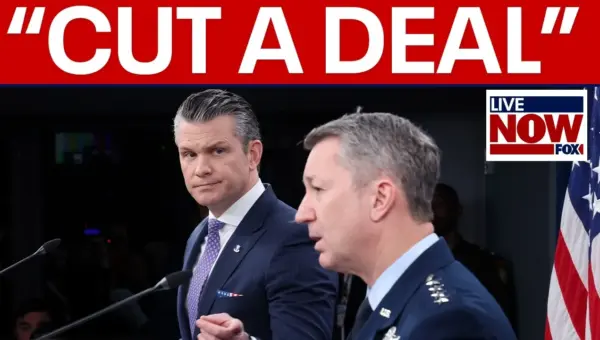
US Troops Show ‘Urgency’ in Middle East Fight
U.S. troops in Operation Epic Fury are demonstrating "wartime speed" and a powerful sense of mission focus, according to a recent Pentagon visit. Service members expressed a strong desire to finish the fight quickly for future generations, requesting more resources for operations rather than personal comforts. The ongoing pressure aims to compel Iran to negotiate, with continued military action planned if diplomacy fails.

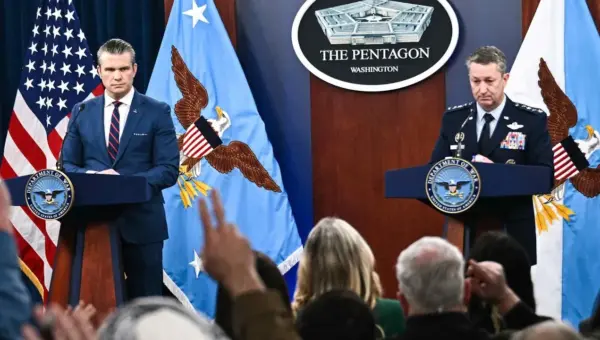
US Troops Show Unwavering Resolve in Fight Against Iran
U.S. troops on Operation Epic Fury exhibit remarkable unity, competence, and urgency in their mission against Iran. Facing challenges with innovation and determination, they prioritize finishing the fight for future generations. The operations aim to degrade Iran's military capabilities and prevent nuclear proliferation, signaling a decisive period ahead.