Ukraine Strikes Expose Kremlin’s Growing Weakness
Ukraine's targeted strikes on Russian oil exports are crippling Moscow's finances and fueling internal Kremlin instability. President Putin's public appearances are decreasing as fears of internal threats and economic collapse grow.

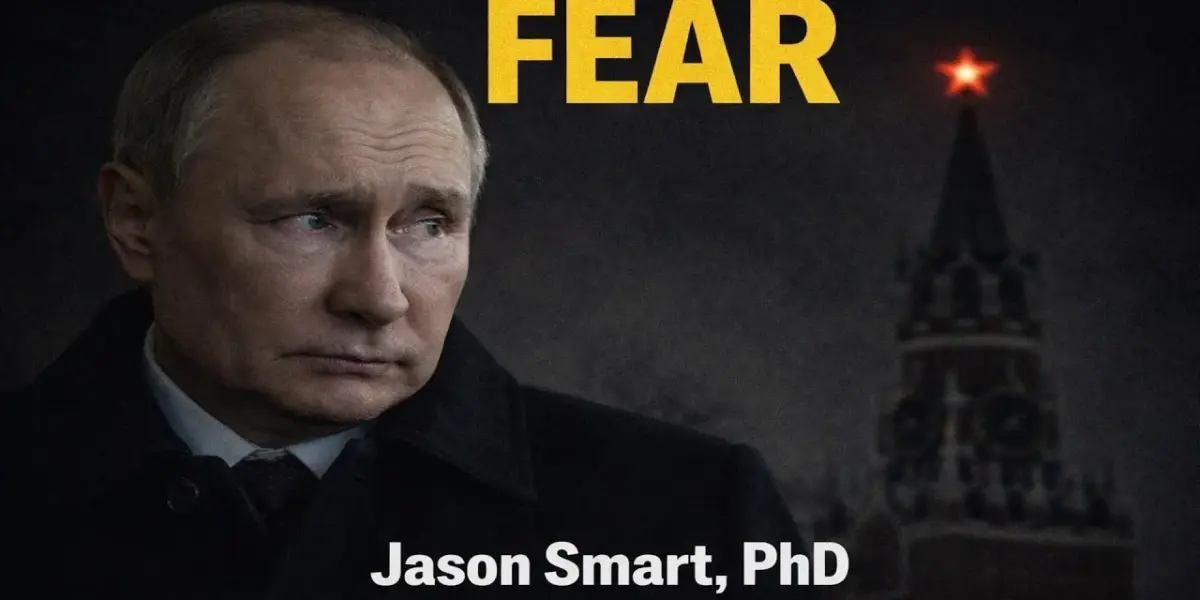
Ukraine Strikes Expose Kremlin’s Growing Weakness
Kyiv’s sustained attacks are increasingly disrupting Russia’s economy and exposing deep cracks within Vladimir Putin’s regime. The pressure is no longer just on the battlefield; it’s reaching the heart of Moscow, forcing the Kremlin to react with fear and internal crackdowns. This shift suggests Putin’s carefully crafted image of control is starting to crumble.
Economic Strain Mounts as Oil Exports Hit
Recent Ukrainian strikes have significantly impacted Russia’s oil export capacity. These attacks have disrupted approximately 40% of Russia’s oil export capabilities. This amounts to about 2 million barrels of oil per day that are no longer reaching the global market. Based on Russia’s recent export earnings, this disruption puts roughly $103 million in export revenue at risk daily. Over a week, this loss climbs to $720 million, and monthly losses could reach $3.1 billion. These figures are substantial for a Russian economy heavily reliant on oil and gas revenues, which account for about half of its total income. The Kremlin faces a stark reality: one out of every two expected dollars in income is now at risk.
Budget Deficit Widens, Officials Scramble for Funds
The financial strain is evident in Russia’s federal budget. Reports indicate a deficit of about $42 billion for January and February alone. This means the government is spending around $21 billion more than it earns each month. This deficit is significantly higher than anticipated. In response, the regime’s primary solution appears to be pressuring wealthy individuals and businesses. This strategy of extracting funds from the elite, often referred to as shaking down the oligarchy, may prove counterproductive.
Oligarchs Flee as Nationalization Fears Rise
Putin’s regime was built on the promise of wealth for those loyal to the system. However, the current financial pressures are causing a reversal. Wealthy Russian oligarchs, who owe their fortunes to their close ties with Putin, are increasingly looking to escape. While some fled after the full-scale invasion of Ukraine began, recent numbers show an uptick in departures. This renewed flight is driven by fears of nationalization, where the government could seize private assets. Recent reports suggest around $50 billion in assets have already been nationalized. Despite these seizures, they are not enough to fix Russia’s deep financial problems.
Internal Rivalries Intensify Amidst Scarcity
The financial pressures are exacerbating internal power struggles within the Kremlin. As resources become scarce, rival factions within the ruling elite intensify their competition. This is highlighted by the recent arrests and dismissals of individuals connected to former Defense Minister Sergei Shoigu. His top deputies and other close associates have either been arrested or have resigned. This crackdown suggests that trust is also in short supply. In authoritarian systems under stress, leaders often narrow their inner circle, blame others, and shift responsibility for failures. Moscow appears to be moving in this direction, with the security apparatus reportedly increasing pressure on military factions. This internal conflict distracts from effective governance and military strategy.
Putin’s Public Appearances Diminish
Vladimir Putin himself has become less visible. In 2026, he appeared in public only 54 times, a decrease from 71 times the previous year. This 24% reduction in public appearances may signal a growing sense of vulnerability. Leaders who distrust their environment often avoid public exposure. The fact that Putin may be hesitant to attend meetings, even within the Kremlin, suggests he fears threats from those closest to him. This diminished public profile contrasts sharply with his earlier image as a strong, confident leader who displayed his prowess through public activities like hunting and shirtless horseback riding.
Strategic Implications
Ukraine’s strategy of targeting Russia’s economic infrastructure, particularly its oil exports, is proving effective. It not only reduces Russia’s war-funding revenue but also creates internal instability. The resulting financial pressure forces the Kremlin to make difficult choices, such as seizing assets and intensifying internal purges. This weakens Putin’s authority and creates an environment where dissent or doubt among the elite becomes more likely. The regime’s survival hinges on maintaining an illusion of control. As Ukraine continues to apply pressure, this illusion is eroding, potentially bringing the Putin regime closer to a critical breaking point.
Source: Putin Loses Control as Moscow Panics (YouTube)

Related Articles

Gulf Allies Urge Trump to Continue Iran Conflict
U.S. allies in the Persian Gulf are urging President Trump to intensify military action against Iran, believing Tehran has not been sufficiently weakened. The ongoing conflict raises concerns about regional stability and global energy prices, while questions linger about the administration's long-term strategy.

Middle East Conflict Sends Gas Prices Soaring Past $4
The national average gas price has surpassed $4 per gallon for the first time since 2022, driven by escalating conflict in the Middle East. Recent attacks on oil tankers and military strikes have heightened fears of energy supply disruptions, impacting consumers globally.
US Weighs Troop Deployment Amid Iran Deal Push
The U.S. is considering deploying ground troops to Iran while simultaneously pushing for a diplomatic deal to reopen the Strait of Hormuz. Air strikes are ongoing as President Trump increases pressure on Iran.