Oil Prices Surge as Iran Conflict Risks Escalate
Oil prices are surging as geopolitical tensions between the U.S. and Iran escalate, threatening global energy supplies. Markets are volatile, weighing the risk of military conflict against potential diplomatic solutions. Investors are watching closely for signs of de-escalation or further escalation.

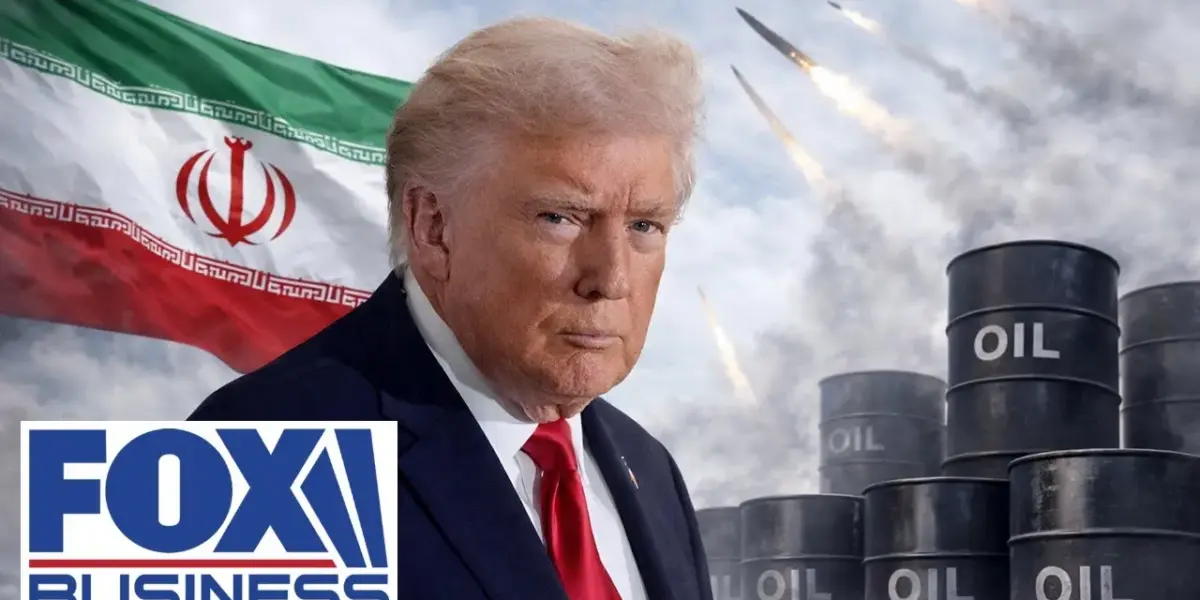
Oil Prices Surge as Iran Conflict Risks Escalate
Global markets are on edge as rising tensions between the United States and Iran threaten to disrupt vital oil shipping lanes. Crude oil prices have climbed, reflecting investor concerns over potential military action and retaliation. This geopolitical uncertainty is creating a volatile trading environment, forcing investors to question the direction of both energy markets and the broader economy.
U.S. Weighs Military Options Amid Iran’s Threats
President Trump’s administration is reportedly in serious discussions about how to handle Iran’s nuclear program. Reports suggest the White House is considering military operations to secure or destroy Iran’s enriched uranium stockpile. This signals a potential shift from diplomatic efforts to more forceful actions. Iran, in response, has threatened retaliation, warning of expanded conflict through proxy groups and new targets across the region.
Global Economy Caught in the Crossfire
The escalating situation puts the global economy in a precarious position. Markets are struggling to price in either a peaceful resolution or a potential catastrophe. Oil prices are particularly sensitive, climbing on fears of supply disruptions. While the U.S. may be somewhat insulated due to its own oil production, European and Asian allies are more vulnerable to the economic impact of a crisis.
“The only real solution has nothing to do with tariffs. It is to get the straits open. If we can do that this week with targeted regime actions, I think that we have to take that opportunity. It will only get worse over time.”
Market Reaction: A Mixed Signal
Despite the heightened risks, stock markets have shown some resilience, trading higher at times. This upward movement is partly attributed to President Trump’s messaging, which balances negotiation efforts with a clear threat of severe consequences if a deal is not reached. The market appears to be taking some risk, with investors betting on a potential deal that could lower oil prices and benefit equities.
However, underlying concerns remain. West Texas Intermediate crude oil trading above $103 a barrel highlights the market’s anxiety. Some analysts question whether current negotiations can yield positive outcomes, given the complex geopolitical landscape and the history of past interactions.
The Strait of Hormuz: A Critical Chokepoint
A key focus of the tensions is the Strait of Hormuz, a vital waterway for global oil transport. The U.S. is pushing for this strait to remain open. Potential actions could involve targeting Iran’s energy infrastructure, including oil facilities on Kharg Island. Such actions, however, carry significant risks and could be viewed as war crimes under international humanitarian law.
Investor Uncertainty and Economic Slowdown Fears
The uncertainty surrounding Iran has led markets to react to every headline. Some analysts believe the bond market might be underestimating the risk of a global economic slowdown. An energy shock, particularly in Asia, could exacerbate existing economic weaknesses. This has led some investors to question the attractiveness of U.S. Treasuries, especially after recent market volatility.
Equity Markets Show Signs of Opportunity
On the equity side, markets have seen drawdowns of about 10% from recent highs. Despite this, some see this as a potential buying opportunity. Valuations for stocks are considered more attractive than they have been in six months. Historically, periods of market fear, often measured by indices like the Fear & Greed Index, can signal a contrarian buying moment when markets are oversold.
Looking at historical trends, drawdowns during midterm election years since 1950 have averaged around 15%. Buying during these dips has historically proven profitable over the following year. While the immediate focus remains on geopolitical headlines from Iran, current market valuations suggest potential opportunities for long-term investors.
What Investors Should Know
- Geopolitical Risk Premium: Rising tensions in the Middle East are adding a risk premium to oil prices, making energy more expensive and potentially impacting inflation.
- Market Volatility: Expect continued choppiness in financial markets as investors react to news from the Middle East.
- Economic Impact: A prolonged conflict or disruption to oil supplies could have significant negative consequences for the global economy, particularly in Europe and Asia.
- Valuations: Equity markets have seen pullbacks, leading to more attractive valuations for some investors.
- Long-Term Perspective: Despite short-term uncertainties, historical data suggests that buying during market downturns can be a profitable strategy over the long term.
The coming week will be crucial in determining whether diplomatic efforts can de-escalate the situation or if tensions will continue to rise, impacting markets and economies worldwide. With markets closed on Friday for a holiday, the focus is on navigating the current headlines and assessing the potential long-term implications.
Source: 'UNLEASH FURY': Trump drops new WARNING as Iran THREATENS retaliation (YouTube)

Related Articles

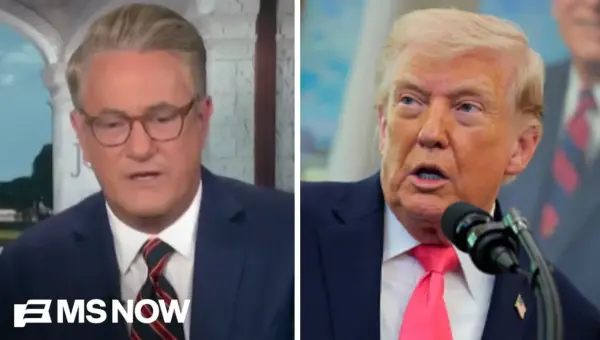
Gulf Allies Urge Trump to Continue Iran Conflict
U.S. allies in the Persian Gulf are urging President Trump to intensify military action against Iran, believing Tehran has not been sufficiently weakened. The ongoing conflict raises concerns about regional stability and global energy prices, while questions linger about the administration's long-term strategy.


Middle East Conflict Sends Gas Prices Soaring Past $4
The national average gas price has surpassed $4 per gallon for the first time since 2022, driven by escalating conflict in the Middle East. Recent attacks on oil tankers and military strikes have heightened fears of energy supply disruptions, impacting consumers globally.
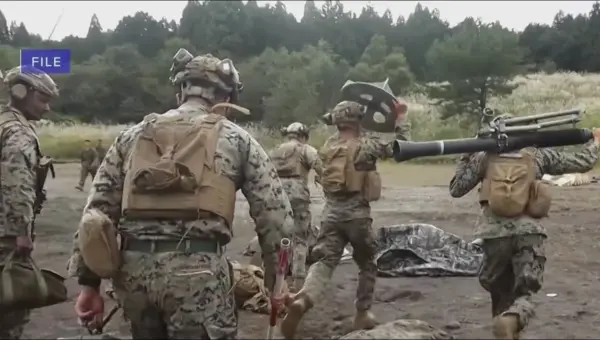
US Weighs Troop Deployment Amid Iran Deal Push
The U.S. is considering deploying ground troops to Iran while simultaneously pushing for a diplomatic deal to reopen the Strait of Hormuz. Air strikes are ongoing as President Trump increases pressure on Iran.