US Strikes Iran: A Nation Under Fire and Escalating Conflict
The United States is conducting major strikes against Iran, targeting military sites and leadership. Reports indicate a senior Iranian intelligence leader has been killed. The conflict is escalating, with Iran firing on NATO territory and regional infrastructure, while the US prepares for potential ground operations to secure key waterways.

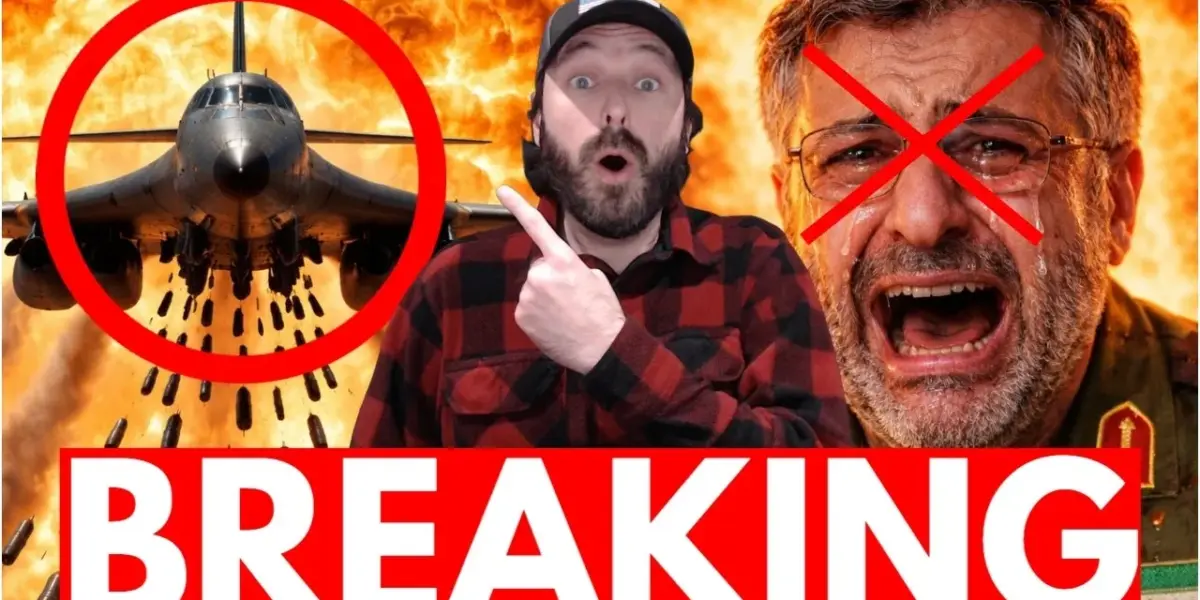
US Strikes Iran: A Nation Under Fire and Escalating Conflict
The United States has launched significant strikes against Iran, targeting key military and weapons facilities. These actions are part of an ongoing conflict that is rapidly escalating, with reports of a senior Iranian leader being killed. US bombers are inflicting heavy damage, aiming to cripple Iran’s military capabilities.
Targeting Key Infrastructure
Major US strikes have hit the city of Esfahan, known for its proximity to Iran’s nuclear material stockpiles and underground missile sites. The goal appears to be disabling Iran’s ability to launch missiles. Footage shows intense explosions, including secondary blasts from underground missile caches being hit. The US is using powerful bombs, like 2,000-pounders, designed to penetrate deep underground and destroy hardened targets. These strikes are aimed at eliminating Iran’s missile and drone production capabilities and preventing it from developing nuclear weapons.
Assassination Strikes on Leadership
In addition to broader military targets, the US has conducted targeted assassinations of high-ranking Iranian officials. One strike completely destroyed a building in Zanzhin, Iran, believed to have been used by military leaders. Another targeted assassination occurred in Alborz Province, west of Tehran, where a building housing senior military officials was hit. These actions aim to disrupt Iran’s chain of command and make it harder for the regime to operate and fight.
Iran’s Actions and Regional Impact
Iran has not been passive in this conflict. The country has fired ballistic missiles towards Turkey, a NATO member. NATO air and missile defense systems, likely including US Navy assets, intercepted one such missile in the Mediterranean Sea. This act of aggression against a NATO ally could draw more Western forces into the conflict. Iran has also fired missiles at ships near Saudi Arabia, though these attempts failed. Saudi Arabia reports tracking numerous drones and missiles aimed at its oil fields, attempting to disrupt its oil production and export capabilities. Kuwait has also reported an Iranian attack on a water distillation facility, a critical resource in the region.
US Objectives and Strategy
Senator Marco Rubio has outlined the stated US objectives: the destruction of Iran’s air force and navy, the severe reduction of its missile launching capabilities, and the elimination of its ability to produce more missiles and drones. These goals are intended to prevent Iran from acquiring nuclear weapons. According to US officials, these operations are on track and even ahead of schedule, with expectations of achieving objectives within weeks. The US is also focused on securing the Strait of Hormuz, a vital shipping lane. While Iran attempts to control passage, the US plans to retake control through naval escorts and potentially ground operations.
Escalating Military Presence
The US military is increasing its presence in the region. B-52 bombers are actively involved in strikes, supported by refueling aircraft. The Boxer amphibious ready group, carrying the 11th Marine Expeditionary Unit, is heading to the Middle East. The presence of landing crafts suggests the possibility of ground troop deployments to coastal areas of Iran or strategic islands like Qeshm, if deemed necessary.
Why This Matters
This escalating conflict between the US and Iran carries significant implications for global stability. The direct targeting of military leadership and infrastructure aims to degrade Iran’s ability to project power and pursue its strategic objectives, including its nuclear program. However, Iran’s retaliatory actions, including strikes on NATO territory and vital infrastructure in neighboring countries, risk a wider regional war. The potential for ground operations adds another dangerous dimension, with the US signaling a willingness to commit more resources and personnel to achieve its goals. The ongoing events underscore the volatile nature of the Middle East and the complex geopolitical challenges involved.
Historical Context and Future Outlook
Tensions between the US and Iran have a long history, marked by periods of direct confrontation and proxy conflicts. Recent events suggest a shift towards more direct military engagement. The stated US objective of dismantling Iran’s military capabilities and preventing nuclear proliferation is a significant undertaking. The coming weeks will be crucial in determining the trajectory of this conflict. The success of US objectives, Iran’s response, and the involvement of regional and international actors will shape the future of the Middle East. The focus on securing the Strait of Hormuz highlights the economic and strategic importance of the region, with potential impacts on global energy markets.
According to reports, the US is using deep-penetrating bombs to destroy underground missile facilities, with evidence of multiple such munitions hitting a single site. The elimination of senior intelligence leaders like Ali Kosaravi is seen as a move to break down Iran’s command structure.
The situation remains fluid, with all eyes on potential ground operations and further military actions by both sides. The conflict highlights the critical need for de-escalation and diplomatic solutions, even as military actions intensify.
Source: U.S. Bombers RIP Iran Apart – Another Major Leader KILLED (YouTube)

Related Articles


Gulf Allies Urge Trump to Continue Iran Conflict
U.S. allies in the Persian Gulf are urging President Trump to intensify military action against Iran, believing Tehran has not been sufficiently weakened. The ongoing conflict raises concerns about regional stability and global energy prices, while questions linger about the administration's long-term strategy.


Middle East Conflict Sends Gas Prices Soaring Past $4
The national average gas price has surpassed $4 per gallon for the first time since 2022, driven by escalating conflict in the Middle East. Recent attacks on oil tankers and military strikes have heightened fears of energy supply disruptions, impacting consumers globally.
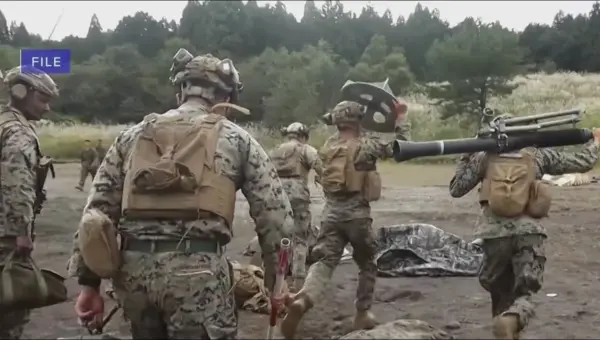
US Weighs Troop Deployment Amid Iran Deal Push
The U.S. is considering deploying ground troops to Iran while simultaneously pushing for a diplomatic deal to reopen the Strait of Hormuz. Air strikes are ongoing as President Trump increases pressure on Iran.