Trump’s Iran Threats Spark Global Economic Fears
Donald Trump's aggressive threats against Iran, including targeting vital infrastructure, have raised global alarms. While Trump claims progress in negotiations, Iran denies talks and outlines non-negotiable demands. The conflict risks major supply chain disruptions and international instability.

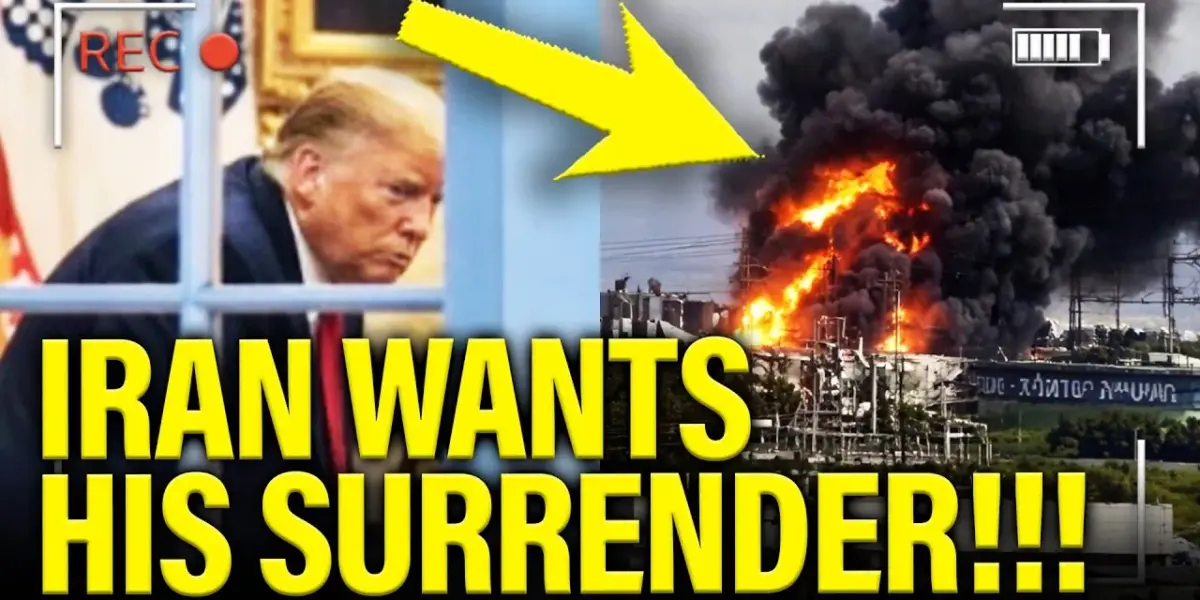
Trump’s Iran Threats Spark Global Economic Fears
Recent actions and statements by Donald Trump regarding Iran have sent shockwaves through international politics and financial markets. Trump’s social media posts have included aggressive threats against Iran, including targeting its power plants and oil infrastructure. He also claimed the U.S. was in talks with a “new and more reasonable regime” to end military operations, suggesting progress toward a deal. However, Iran has denied these claims, stating they are not involved in any productive discussions.
Iran has laid out its non-negotiable demands. These include not discussing the Strait of Hormuz, maintaining their ballistic missile and drone supply, receiving full war reparations, and securing guarantees for regional allies like Hezbollah and the Houthis. They also want U.S. military bases removed from the region and an official apology. This stands in stark contrast to Trump’s public statements suggesting ease in negotiations.
Historical Context of U.S.-Iran Tensions
The relationship between the United States and Iran has been strained for decades, marked by events like the 1979 hostage crisis and ongoing geopolitical disagreements. Trump’s approach, often characterized by direct threats and unconventional diplomacy, adds another layer to this complex history. The current situation appears to be an escalation of existing tensions, with both sides employing strong rhetoric and military actions.
Escalating Military Actions and Global Impact
The conflict has seen Iran strike targets in Israel, such as an oil refinery in Haifa, and launch missiles at facilities in Kuwait, Bahrain, the UAE, and Saudi Arabia. These actions are seen as retaliation for U.S. and Israeli bombings of Iranian infrastructure, including power and water facilities. Iran is also targeting alternative oil export routes used by U.S. allies to bypass the Strait of Hormuz, demonstrating strategic retaliation.
Beyond direct military exchanges, Iran is employing tactics like missile launches with decoys to drain enemy air defense resources. This strategy consumes expensive interceptors and draws out air defense systems, leaving them vulnerable to actual missile or drone attacks. This sophisticated approach highlights a learning curve in modern warfare, as seen in Ukraine’s own defense strategies against similar threats.
International Allies Express Concern
The conflict is also causing concern among traditional U.S. allies. Italy’s Defense Minister, Guido Crosetto, stated that his country does not support the war and was not consulted. He warned that the length of wars depends on the resistance of the weaker party, not just the strength of the powerful. Crosetto expressed deep concern about the potential global economic fallout, describing the situation as potentially catastrophic and keeping him awake at night.
Germany’s Chancellor, Friedrich Merz, echoed these fears, suggesting the war’s impact on Germany and Europe could be as severe as the COVID-19 pandemic if it expands. Spain has taken a firmer stance, banning U.S. military aircraft involved in the Iran conflict from its airspace and bases. This decision underscores a growing unease and divergence among allies regarding the U.S. strategy in the region.
Political Ramifications and Market Manipulation Fears
Domestically, Trump’s approval ratings on key issues like inflation, tariffs, jobs, and immigration are reportedly low. His handling of U.S. military involvement in Iran is also met with public disapproval. Critics suggest Trump’s aggressive rhetoric and claims of progress in negotiations are attempts to manipulate financial markets rather than genuine diplomatic efforts. Iran’s leadership has publicly stated they are aware of these tactics and are not engaged in meaningful talks.
U.S. Treasury Secretary Scott Bessant acknowledged that Iran might control the Strait of Hormuz for a period, potentially implementing a toll system. However, he expressed confidence that the U.S. would eventually regain control. This statement, while acknowledging a potential short-term disruption, reflects a belief in long-term U.S. dominance. Yet, the current reality shows Iran continuing its pressure campaign through various military and economic means.
Why This Matters
The ongoing conflict and Trump’s aggressive stance have significant implications. The Strait of Hormuz is a critical chokepoint for global oil and gas supplies. Any disruption there can lead to severe supply shocks, impacting prices worldwide. The threats to Iran’s infrastructure, particularly its water desalination plants, raise humanitarian concerns and the potential for widespread suffering. Furthermore, the conflict risks drawing regional powers and potentially NATO allies into a larger confrontation, destabilizing an already volatile region.
Implications, Trends, and Future Outlook
The current situation highlights several trends. First, the increased use of asymmetric warfare tactics, such as drone swarms and decoy systems, is becoming more prominent. Second, the potential for economic warfare, including disruptions to vital supply chains like oil and LNG, is a growing concern. The divergence of opinions among U.S. allies suggests a potential weakening of traditional alliances if diplomatic and military strategies are not aligned. The future outlook remains uncertain, with a high potential for continued escalation and significant global economic repercussions, even if the conflict were to end soon.
The immediate aftermath of any conflict, even a swift resolution, would still involve dealing with the massive supply shock of essential goods like crude oil, liquefied natural gas, helium, and fertilizer. The ripple effects of such a shock would be extensive and long-lasting. As the situation develops, the world watches closely, hoping for de-escalation while bracing for potential economic and geopolitical instability.
Source: Trump CRASHES OUT as Iran DEMANDS He SURRENDER!!! (YouTube)

Related Articles
Iran War’s Wobbly Goals Threaten Global Stability
The shifting objectives of the Iran conflict and the ongoing disruption of the Strait of Hormuz pose significant global risks. Sir Bill Browder discusses how Iran's 'trump card' could lead to economic instability, while political pressures mount for leaders. Ukraine's expertise in blockade warfare offers a potential solution, but geopolitical complexities abound.


Trump’s Iran Gamble: A Leader Lost in the Bluster?
Critics claim Donald Trump lacks understanding of foreign policy, particularly regarding Iran, leading to a dangerous situation. Falling poll numbers and a base questioning his actions suggest he's in a political bind.
China Aiding Iran, Damaging US Jets: Expert Warns
China is accused of providing intelligence to Iran, which may have led to the destruction of a $700 million U.S.-backed early warning jet. This accusation surfaces as President Trump prepares to meet with Chinese President Xi Jinping amidst rising geopolitical tensions.