Air Traffic Control Crisis Exposed by LaGuardia Crash
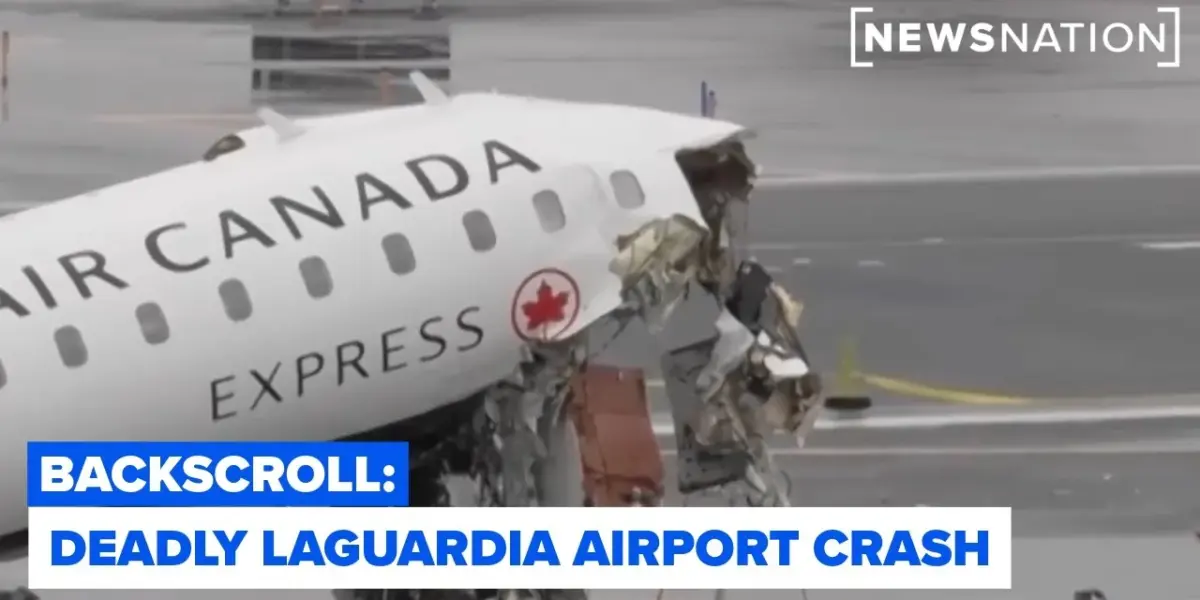
A fatal crash at LaGuardia Airport involving an Air Canada flight and a fire truck has exposed deep-seated staffing shortages within the FAA's air traffic control system. The incident, which killed two pilots, is prompting a closer look at controller workload and the decades-old problem of understaffing.

Air Traffic Control Crisis Exposed by LaGuardia Crash
A tragic collision at New York’s LaGuardia Airport on [Date of Incident – inferred as recent based on transcript], where an Air Canada flight struck a fire truck, has brought a long-standing crisis in air traffic control staffing to the forefront. The crash, which killed the two pilots aboard the plane and injured dozens more, highlights critical issues within the Federal Aviation Administration (FAA) and its ability to manage increasingly complex air traffic operations.
Tragic Collision Raises Immediate Questions
The incident occurred around 11:40 PM Eastern Time when the Air Canada regional flight, arriving from Montreal, was traveling down Runway 4. At the same time, a Port Authority fire truck was crossing the same runway. While initial reports suggest the fire truck received clearance from air traffic control to cross, audio recordings reveal frantic commands from the controller telling the truck to stop multiple times just moments before the impact. The nose of the Air Canada jet was destroyed, leading to the deaths of pilots Antoine Forest and McKenzie Gunther. In total, 72 passengers and four crew members were on the flight, with approximately 40 people taken to the hospital; nine remained hospitalized as of the reporting. The airport was shut down for hours, causing significant travel disruptions.
The Role of Air Traffic Control and Human Error
The investigation, led by the National Transportation Safety Board (NTSB), is examining the sequence of events and the actions of the air traffic controller. Former NTSB official Charlie Pereira noted that the audio suggests a potential mistake by the controller, who may not have adequately accounted for the approaching aircraft when clearing the fire truck. Pereira explained that controllers rely on radar data, ADSB data, and visual confirmation to manage movements on runways and taxiways. The timing and audio indicate a possible lapse in judgment, especially given the complexity of managing multiple aircraft and vehicles simultaneously.
The transcript reveals that the fire truck was responding to a separate incident involving a United Airlines flight that had reported a suspicious odor and aborted its landing. This meant the fire truck was on an urgent response, adding to the controller’s workload. The controller was also reportedly coordinating a gate for the United aircraft, indicating a state of being “task saturated.” Visibility conditions, while mentioned as potentially including fog and light rain, are not considered the primary factor by experts like Pereira, who emphasized the controller’s responsibility to know the position of all aircraft and vehicles.
Staffing Shortages: A Decades-Old Problem
The incident has amplified concerns about air traffic controller staffing, a problem that dates back to the 1981 PATCO air traffic controllers’ strike. Following the strike, President Reagan fired over 11,000 controllers, and the FAA has struggled to maintain adequate staffing levels ever since. “We’re at over a 30-year low of air traffic controllers,” stated Pereira, attributing this to insufficient funding and hiring challenges. He argued for increased staffing, especially on the midnight shift, to prevent situations where a single controller is left to manage operations alone. This lack of backup, particularly during busy periods or unexpected emergencies, can lead to critical errors.
The FAA currently faces staffing challenges across various agencies, including the Transportation Security Administration (TSA), which adds to the overall strain on the aviation system. The reliance on single controllers, especially during late-night shifts, is a point of concern. Experts suggest that having more personnel on duty, even during off-peak hours, could provide crucial redundancy and support, mitigating the risks associated with human fatigue and the cognitive load of managing complex air traffic scenarios.
Economic and Safety Implications
The closure of LaGuardia, a major East Coast hub, had immediate ripple effects, forcing the diversion and cancellation of numerous flights. This disruption impacts not only travelers but also the airlines and the broader economy. The grounding of operations at one of the nation’s busiest airports underscores the fragility of the aviation system when disruptions occur. The cost of such incidents extends beyond immediate financial losses to include the long-term impact on public confidence in air travel safety.
Transportation Secretary Shawn Duffy emphasized the importance of safety measures, reminding the public to wear seatbelts on planes, as they can save lives, as tragically demonstrated by the survival of many passengers on the Air Canada flight despite the severe damage to the cockpit. The recovery of the flight’s two voice recorders is a critical step in the NTSB’s investigation, aiming to provide a detailed reconstruction of the events leading up to the crash.
Future Scenarios and The Path Forward
The LaGuardia crash serves as a stark warning. Without addressing the systemic issue of understaffing in air traffic control, similar tragedies remain a possibility. The NTSB investigation will undoubtedly provide specific recommendations, but the underlying problem requires sustained political will and increased funding for the FAA. Increased staffing levels, improved training protocols for handling emergencies, and potentially enhanced technological aids for controllers could help prevent future accidents.
One likely scenario is that the NTSB will issue a strong report calling for immediate changes in staffing and operational procedures. This could lead to temporary increases in controller presence on shifts, but without long-term funding commitments, the problem will likely persist. A less likely but more hopeful scenario involves a comprehensive overhaul of FAA funding and staffing policies, recognizing air traffic control as a critical national infrastructure that requires robust investment. The competing interests of budget constraints versus public safety will continue to shape the future of air traffic management in the United States.
Source: Deadly LaGuardia crash: Recap of what happened in jet-firetruck collision | Backscroll (YouTube)

Related Articles


FAA Clears Skies for ‘Flying Cars’ Pilot Program
The FAA has launched a nationwide pilot program to test electric vertical takeoff and landing vehicles (eVTOLs), bringing the concept of flying cars closer to reality. This initiative aims to develop regulations and explore applications in emergency response and urban transport.


Air Traffic Controller: Shutdown Pay Standoff Demoralizes Workers
Air traffic controllers express deep frustration over government shutdowns impacting TSA workers with weeks without pay. An anonymous controller shared how the financial uncertainty is demoralizing and could harm recruitment for critical roles, though safety remains their top priority.

Air Travel Chaos: System Pushed to the Brink
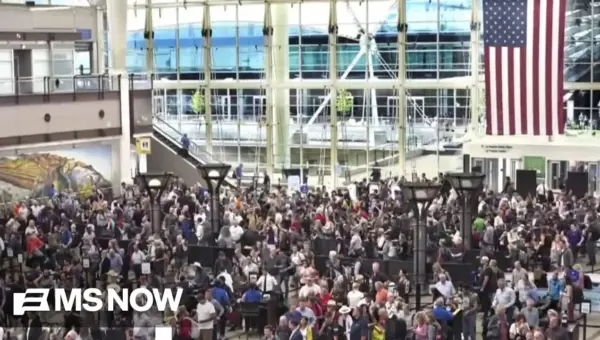
The U.S. air travel system is under immense strain due to TSA staffing shortages and outdated infrastructure, leading to long passenger lines and operational disruptions. While back pay for TSA agents offers potential relief, experts warn that long-term retention and significant modernization efforts are crucial for stabilizing the system.