Oil Prices Surge as Middle East Conflict Threatens Global Supply
Rising gas prices, driven by Middle East conflicts and threats to oil supply routes like the Strait of Hormuz, are creating economic pressure. This situation impacts voters' concerns about affordability and could influence upcoming elections, forcing a balance between national security and the everyday costs for Americans.

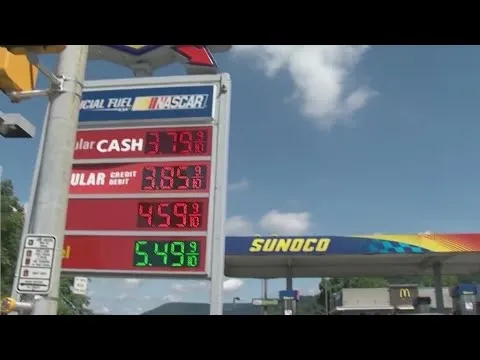
Middle East Tensions Spike Oil Prices, Impacting Global Economy
The world is watching as conflicts in the Middle East push gas prices toward $4 a gallon, a level not seen since 2022. This sharp increase is creating economic pressure for people at home and raising questions about political futures. A significant portion of the world’s oil supply, about 20%, is currently at risk in the Strait of Hormuz, a crucial waterway for global trade. This situation highlights how interconnected global energy markets are with geopolitical stability.
Why Are Gas Prices Going Up?
The main reason for the rising gas prices is the ongoing conflict in the Middle East, particularly involving Iran. When there is instability or fighting in oil-producing regions, it makes the supply of oil uncertain. This uncertainty causes oil prices to go up. Think of it like a popular toy being scarce during the holidays; when there’s less of it, the price goes higher. The Strait of Hormuz is a very important place because many oil tankers use it to move oil from producers to buyers around the world. If this route is blocked or dangerous, it directly affects how much oil is available, and therefore, how much it costs.
Impact on American Politics and Voters
For Americans, higher gas prices hit hard. Many voters, especially those who supported President Trump, expected policies that would keep prices low and avoid foreign conflicts. Now, seeing higher prices at the pump and more U.S. troops moving to the Middle East, some feel those promises haven’t been kept. This can affect how people vote in upcoming elections, like the midterms. When people struggle to afford everyday things because of high gas prices, they often look to the party in power for answers. This economic pressure can make it harder for Republicans, who currently hold Congress and the presidency, to win support.
Broader Economic Ripples
The effects of high fuel costs go beyond just filling up your car. The farming industry, for example, relies heavily on fuel to power tractors and other machinery. When fuel is more expensive, it costs farmers more to grow crops. This can lead to higher food prices for everyone. Additionally, past policies like tariffs have also been blamed for increasing the cost of everyday goods. Uncertainty around trade and immigration policies has also been cited as a factor affecting farmers’ ability to hire workers, further impacting production and prices.
Balancing Security and Affordability
There’s a difficult balance to strike between national security and economic concerns. Some leaders argue that addressing threats from countries like Iran is necessary, even if it means higher costs for Americans. Congressman Byron Donalds noted that while oil prices might be lower than their absolute peak in 2022, the average American is feeling the pinch. The question for many voters is how much financial burden they are willing to accept to confront foreign policy challenges. This is a complex issue with differing views among the public.
Historical Context and Future Outlook
Historically, gas prices have often been a key issue in U.S. elections. Voters tend to focus on their wallets, and economic concerns can heavily influence voting decisions. The current situation echoes past concerns where foreign policy actions had direct impacts on domestic prices. While there are no immediate plans for U.S. troops to be on the ground in a combat role, the positioning of forces and the continuation of the conflict suggest a prolonged engagement. This prolonged conflict, combined with supply chain issues, could keep prices elevated for some time.
Global Impact
The situation in the Middle East and its impact on oil prices have significant global consequences. It affects the economies of countries worldwide, influencing inflation rates and trade. For nations heavily reliant on imported oil, rising prices can strain budgets. The stability of vital shipping lanes like the Strait of Hormuz is crucial for the smooth functioning of the global economy. Any disruption here can lead to worldwide economic slowdowns and increased costs for goods and services.
Why This Reshapes the World Order
This event highlights the growing importance of energy security in international relations. It shows how regional conflicts can quickly become global economic issues. As nations grapple with these challenges, there may be increased focus on developing alternative energy sources and diversifying oil supplies to reduce dependence on volatile regions. The current geopolitical climate also underscores the need for careful diplomatic strategies that balance national interests with global economic stability.
Source: Gas prices nearing $4 per gallon as Middle East conflict rages on | NewsNation Live (YouTube)

Related Articles


Trump’s ‘On Your Own’ World: Allies Abandoned, Economy Suffers
As gas prices surge and global tensions rise, the U.S. under Trump is telling allies they are "on their own." This shift leaves nations to fend for themselves, impacts the American economy, and raises serious questions about U.S. foreign policy and leadership.

Iran War’s Wobbly Goals Threaten Global Stability
The shifting objectives of the Iran conflict and the ongoing disruption of the Strait of Hormuz pose significant global risks. Sir Bill Browder discusses how Iran's 'trump card' could lead to economic instability, while political pressures mount for leaders. Ukraine's expertise in blockade warfare offers a potential solution, but geopolitical complexities abound.
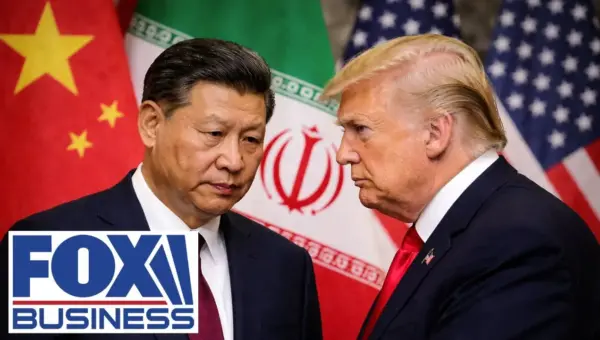
China Aiding Iran, Damaging US Jets: Expert Warns
China is accused of providing intelligence to Iran, which may have led to the destruction of a $700 million U.S.-backed early warning jet. This accusation surfaces as President Trump prepares to meet with Chinese President Xi Jinping amidst rising geopolitical tensions.