Germany Faces Reform Crisis: Coalition Grapples with Urgency
Germany is facing a critical moment, needing urgent social and economic reforms amidst global crises and a rising far-right. The governing coalition is divided, with key figures calling for a shift towards the center and acknowledging budget shortfalls. Public support for reforms is high, but willingness to sacrifice is low, creating a challenging path forward.

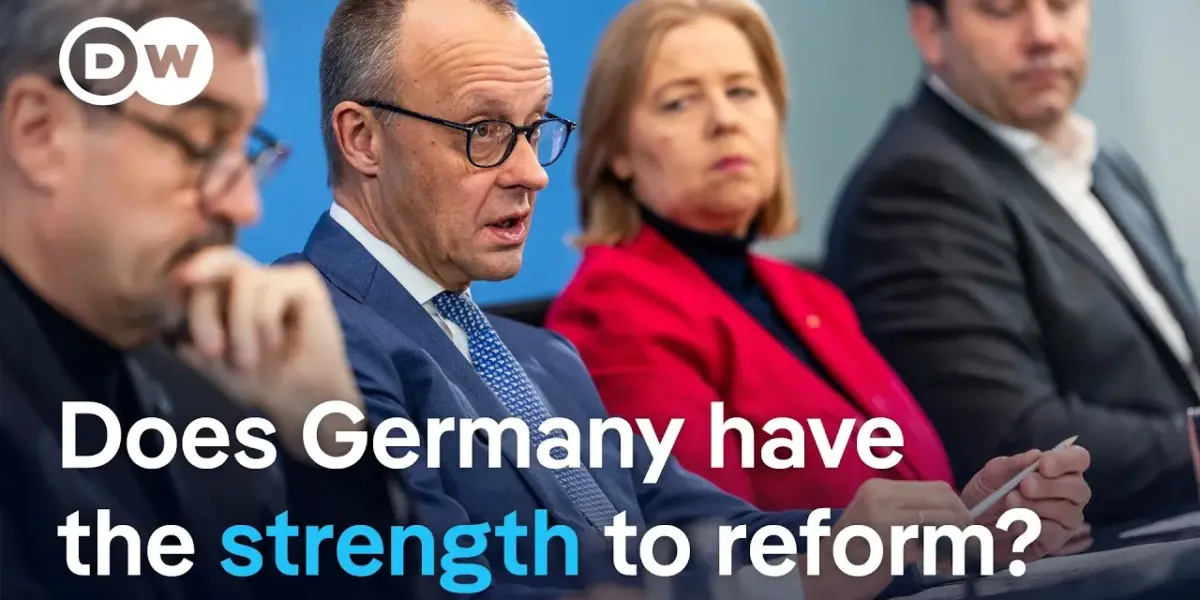
Germany at a Crossroads: Reform or Decline?
Germany finds itself at a critical juncture, facing a stark choice between enacting much-needed reforms and risking a period of decline. The nation grapples with external pressures like wars in Ukraine and Iran, alongside internal challenges including the rise of the far-right and a government coalition struggling to find common ground. This critical moment demands decisive action, but the question remains: does Germany possess the strength to overcome the numerous obstacles in its path?
Urgent Need for Systemic Overhaul
Experts widely agree that Germany’s pension, healthcare, and tax systems are in urgent need of reform. These are not minor adjustments but fundamental changes required to ensure the country’s long-term stability and prosperity. The urgency is underscored by public sentiment, with a recent poll revealing that 71% of Germans desire reforms and want them implemented quickly.
Social Democrats Shift Towards the Center
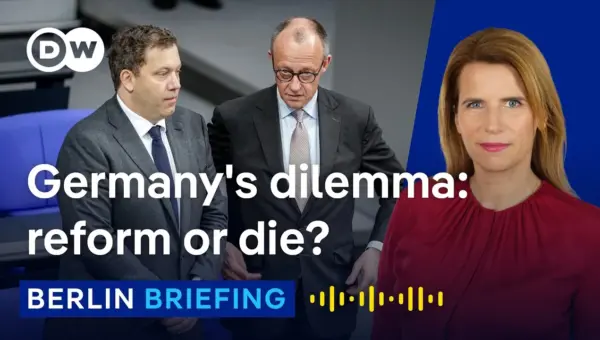
A key figure in the reform debate is Lars Klingbeil, co-leader of the Social Democrats (SPD). His party has recently suffered significant setbacks in state elections, losing ground in Rhineland-Palatinate and barely securing a mandate in Bavaria. These electoral losses appear to have prompted a strategic shift, pushing Klingbeil toward the political center.
Klingbeil recently delivered a speech that garnered considerable attention, signaling a new direction. He stated, “And when I talk about fundamental changes, that also means we as a society will have to work more overall. I want us to have a debate about the labor market, but I want us to have it based on facts, not on populism.” This call for increased work hours marks a significant departure from previous considerations, like the four-day work week, and suggests a potential alignment with Chancellor Olaf Scholz, which could pave the way for compromise on key reforms.
Coalition Divided, Conflict Looms
Despite Klingbeil’s overtures, the current governing coalition faces deep political divisions. Political scientist Professor Thomas Poguntke notes that the parties within the coalition are “not very close together politically.” He describes the potential for intense conflict over whether to increase revenue or implement spending cuts, highlighting a fundamental disagreement on economic strategy.
The SPD, in particular, faces an internal struggle to reconcile differing views. The ability of the party to overcome these internal differences will be crucial for the coalition’s success. As Poguntke put it, “An internal SPD fight seems almost inevitable and a lot rides on the question whether the party can resolve it.”
The Shadow of the Far-Right
Adding to the pressure is the growing influence of the far-right Alternative for Germany (AfD) party. The AfD has made significant gains in recent state elections, and polls suggest they could achieve an absolute majority in Saxony-Anhalt, potentially governing a German federal state for the first time. This prospect has fueled confidence within the AfD, with some members suggesting that reform is unlikely now due to the SPD’s perceived weakness.
The governing coalition aims to enact reforms before the upcoming state elections in Saxony-Anhalt on September 6th, hoping to counter the AfD’s momentum. However, this is a tight deadline, with only about 160 days until voters go to the polls. The strategy faces a significant hurdle: while most Germans want reforms, a majority (55%) are unwilling to make personal sacrifices for them, posing a difficult challenge for any reform-minded government.
Global Crises Complicate Domestic Agendas
Germany’s reform efforts are further complicated by a confluence of global crises. The war in the Middle East, ongoing conflict in Ukraine, an energy crisis, and strained transatlantic relations all weigh heavily on the nation. These external factors are not only consuming significant attention and resources but also impacting Germany’s economic growth.
Finance Minister Klingbeil has been candid about the challenges, publicly stating there is a “big hole in the federal budget” and that global events are exacerbating the situation. Chancellor Scholz, who was elected on a promise to revitalize the German economy, echoes these concerns, acknowledging the “uncertainty coming from the outside” and the “challenges on the inside.” He recognizes the need to “give the population back the certainty that the coalition knows what they are talking about and doing.”
High Stakes, Potential for Optimism
The coming months will be pivotal, potentially shaping Germany’s trajectory for years. Despite the immense difficulties, there are glimmers of hope. Professor Poguntke believes that “German elites are committed to a consensus and a compromise,” suggesting that Germany “has the strength to do that.” However, he cautions that “difficult times lie ahead.” The alternative to undertaking painful reforms, he implies, is likely a much worse path of continued decline.
The German government faces immense pressure to deliver reforms amidst internal divisions, public impatience, the threat of the far-right, and a volatile global landscape. The success of these efforts will depend on the coalition’s ability to find common ground, communicate effectively with the public, and navigate the complex challenges ahead. The coming months will reveal whether Germany can successfully implement the necessary changes or if it will succumb to a period of decline.
Source: Reform or decline? The harsh reality facing Germany’s government | DW News (YouTube)

Related Articles

AfD’s Policies Could Harm Its Own Voters Most
The AfD party's policy proposals present a paradox, potentially harming its own supporters most, according to analysis. The party's libertarian stance on taxes and social programs could hurt low-income voters who rely on them. This comes as mainstream parties struggle to connect with the working class.
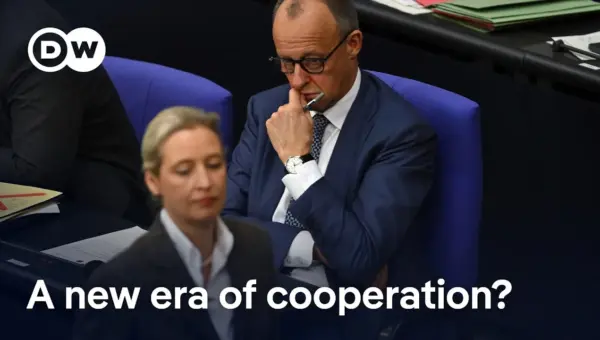
Germany’s Anti-AfD Firewall Crumbles Amidst Shifting Politics
Germany's political 'firewall' against the far-right AfD party is showing significant cracks due to rising AfD popularity and recent instances of cooperation. Historically rooted in Germany's experience with Nazism, the firewall aimed to prevent extremist parties from gaining power. However, shifts in the AfD's rhetoric and increased AfD strength, especially in eastern Germany, are challenging this long-standing political norm.
Germany Faces Reform Crisis Amidst Far-Right Surge
Germany is struggling with political paralysis and deep social divides, fueling the rise of the far-right AfD. Analysts believe reforms are inevitable but difficult to implement due to public resistance and government credibility issues. Economic pressures may force the government's hand, but the path forward remains uncertain.