Peter Hegseth: Trump’s War Secretary Steps Into Spotlight
Peter Hegseth, Donald Trump's Secretary of War, has become the prominent public face of the U.S. military engagement in Iran. With a background in media and military service, Hegseth's assertive style and frequent briefings aim to bolster public support for the conflict. However, his high visibility also places him at significant risk, with his future prospects tied to the war's ultimate outcome.

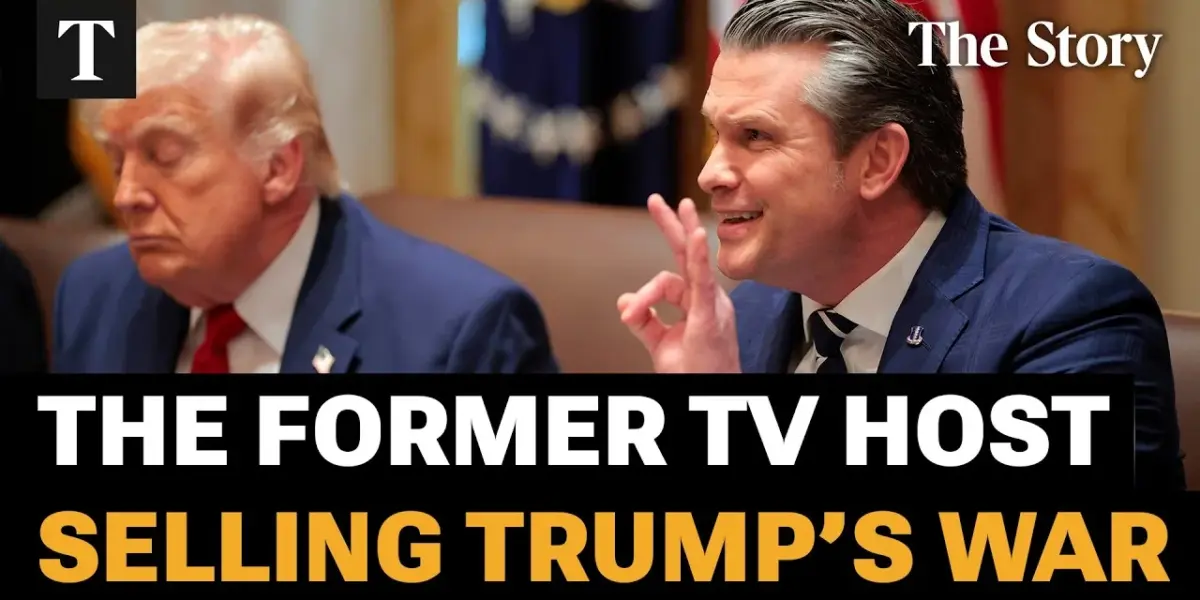
Hegseth Becomes Loudest Voice Amidst Iran Conflict
As bombs fall on Tehran, Peter Hegseth, Donald Trump’s Secretary of War, has become the prominent, assertive voice of the ongoing conflict with Iran. While other administration officials seem to be distancing themselves from the conflict, Hegseth, a former Fox News host, has emerged as the war’s most vocal supporter. He is frequently seen by President Trump’s side, presenting a confident front as the U.S. engages in what could become a prolonged military action.
Hegseth’s role has expanded significantly since the war began. Previously, he gave few Pentagon briefings. Now, he delivers almost daily addresses, often using strong, direct language to describe military actions and victories. “The Iranian Navy rests at the bottom of the Persian Gulf. Combat ineffective, decimated, destroyed, defeated. Pick your adjective,” he stated in one briefing. This public role is seen as crucial for President Trump in presenting the war effort to the American people.
A Public Face for a Controversial War
The appointment of Hegseth as Secretary of War, a position renamed from Secretary of Defense by the White House, places him at the center of military operations. His increased visibility is a strategic move, intended to rally public support for a war that has raised concerns about its unclear objectives and potential for escalation. Hegseth’s public statements often echo President Trump’s ‘peace through strength’ message, emphasizing American power and the need to defeat enemies rather than focusing on moralistic reasons for intervention.
“We negotiate with bombs,” Hegseth declared, highlighting a pragmatic, albeit aggressive, approach to foreign policy. This strategy focuses on projecting American strength and decisively dealing with perceived threats, rather than aiming to remake other nations in America’s image. This contrasts with more traditional foreign policy approaches that might emphasize democracy promotion or humanitarian concerns.
Background and Rise to Prominence
Peter Hegseth’s journey to becoming Secretary of War is marked by a conservative political stance, military service, and a career in media. He studied politics at Princeton University and served in the Army, including deployments in Afghanistan and Iraq. After his military service, he gained public recognition as a frequent guest and later a host on Fox News, often discussing defense and military matters.
President Trump, a known viewer of Fox News, reportedly took notice of Hegseth’s appearances. Hegseth’s image as a strong, military-focused figure aligns with Trump’s own aesthetic preferences, often described as ‘casting’ for his cabinet. Despite past criticisms of Trump’s foreign policy approach, Hegseth has evolved, embracing a more pro-Trump stance and a view that emphasizes ending nation-building missions while maintaining American strength.
Controversies and Cultural Shifts at the Pentagon
Hegseth’s confirmation as Secretary of War was not without controversy. Questions arose regarding his experience in managing a large government department, his personal lifestyle, and past allegations of inappropriate behavior. Reports surfaced about his drinking habits, and former colleagues questioned his sobriety at times. Additionally, past relationships and a child born out of wedlock during his second marriage led to scrutiny during his confirmation hearings.
Further controversy followed with the “Signalgate” incident, where sensitive information about military strikes was discussed on an encrypted messaging app, including a journalist. This led to criticism about the handling of classified information and raised questions about Hegseth’s judgment and adherence to formal communication channels. Despite these issues, Hegseth has remained in his position, focusing on implementing cultural changes within the Pentagon.
Driving Cultural Change
Hegseth has actively pursued a cultural shift within the Department of War, aligning with the White House’s broader agenda to move away from Diversity, Equity, and Inclusion (DEI) initiatives. This includes expressing skepticism about women in combat roles, stating they are “about giving life, not taking life.” He also oversaw the renaming of the department from Defense to War, signaling a more aggressive posture.
These changes have led to significant turnover within the Pentagon. Several high-ranking officials, including the head of the Defense Intelligence Agency and various Navy commanders, have departed. While some were reportedly fired, others have chosen to leave, citing a desire to be elsewhere. This exodus includes individuals with deep institutional knowledge, raising concerns about dissenting voices and the impact on decision-making, particularly in critical situations like the conflict in Iran.
Strategic Operations and International Relations
Under Hegseth’s leadership, the Department of War has engaged in operations such as “Operation Midnight Hammer,” the initial strikes against Iran. The focus has also extended to the Western Hemisphere, with efforts to combat drug trafficking and cartels. This includes operations like the seizure of Nicolás Maduro in Venezuela, a move supported by figures like Steven Miller from the White House.
Despite the aggressive military approach, Hegseth has also worked to maintain international alliances. U.K. Defense Secretary John Healey has noted a positive working relationship with Hegseth, describing him as thoughtful and effective on matters like the AUKUS defense agreement. This suggests a dual focus on projecting strength while also managing key international partnerships.
The Future: Ally or Fall Guy?
Peter Hegseth’s current prominence positions him as a key figure in the Trump administration, particularly concerning the Iran conflict. His daily briefings and public defense of the war effort make him the face of the administration’s military actions. However, this high visibility carries significant risk.
Whether Hegseth becomes a celebrated figure or a scapegoat hinges on the outcome of the Iran war. If the conflict ends successfully and decisively, as President Trump has suggested, Hegseth could see his political stock rise. Conversely, if the war falters or escalates into a prolonged, costly engagement, he could be held responsible. His current role forces many within the MAGA movement to navigate complex positions, with the ultimate success or failure of the war likely influencing future political ambitions, including potential presidential runs in 2028.
Source: Who is Peter Hegseth? Trump’s Secretary of War Explained (YouTube)

Related Articles
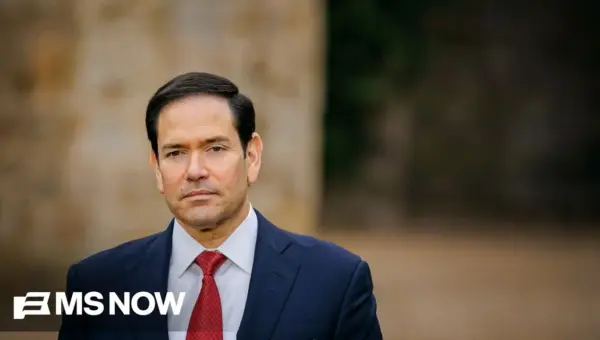
Rubio Sparks NATO Debate After Iran Conflict
Senator Marco Rubio has sparked a debate on the future of NATO, calling for a U.S. re-evaluation of the alliance after the recent conflict with Iran. Critics argue Rubio's stance contradicts his past positions, while former diplomats defend NATO's historical support for the U.S. and express concern over the current state of American diplomacy.
Middle East Tensions Spark War Fears, Drive Gas Prices Skyward
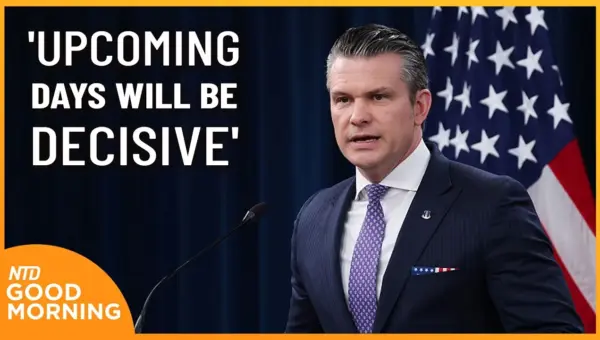
Rising tensions in the Middle East, particularly concerning Iran and the Strait of Hormuz, have led to a significant increase in gas prices, with the national average hitting $4 a gallon. Defense officials have called the upcoming days "decisive" in the conflict, signaling potential escalation. The FBI also reports that a recent synagogue attack was inspired by Hezbollah, highlighting domestic security concerns.
Trump Pushes Europe Towards Gulf Conflict
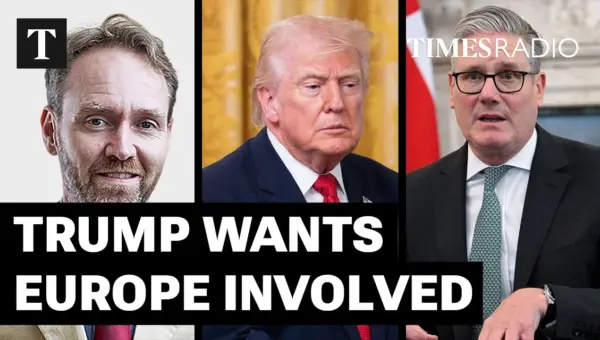
Donald Trump is urging European allies, particularly the UK, to take a more active role in the Middle East, suggesting direct confrontation in the Strait of Hormuz. As the US faces military strain, Trump employs his unique 'weave' communication style, using diversions to manage public perception and diplomatic pressure. The article also contrasts British expatriate experiences in the US with those in Europe, noting surprising hospitality in America versus perceived negativity and resentment in some European cities.