US Mulls Iran Ground Ops Amid Tensions, Strait of Hormuz Focus
The United States is reportedly considering significant military actions in Iran, including potential ground operations, as tensions escalate. Reports suggest a focus on reopening the Strait of Hormuz, while President Trump's rhetoric draws criticism and analysts warn of severe risks to U.S. troops.

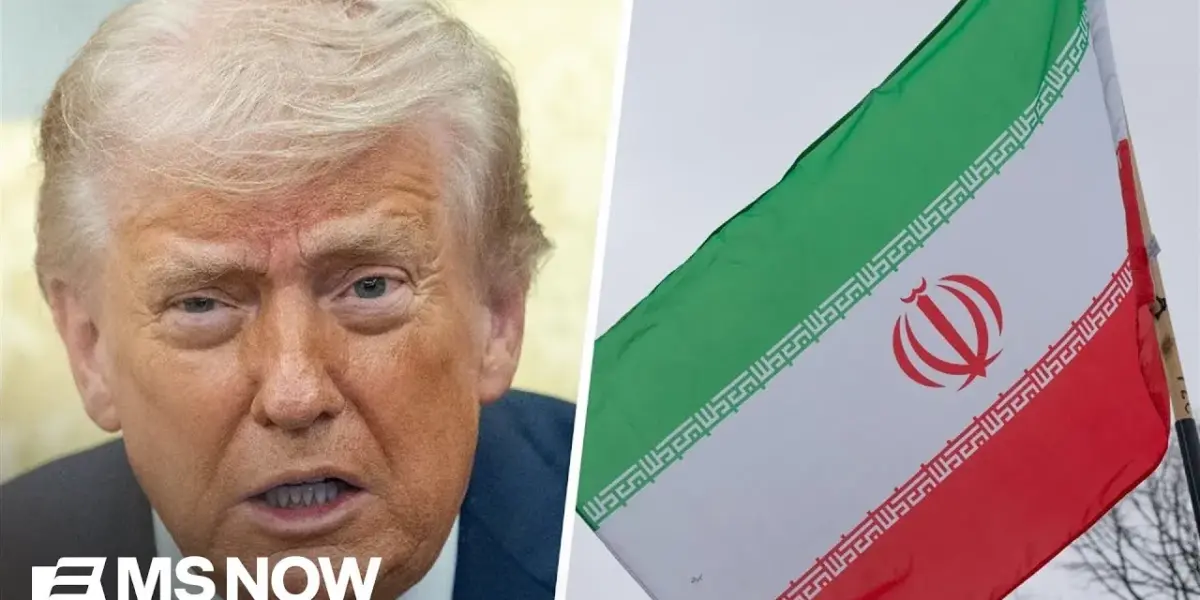
US Weighs Direct Ground Operations in Iran Amid Escalating Tensions
The United States is reportedly considering significant military actions in Iran, including potential ground operations and a mission to remove uranium, as tensions in the Middle East reach a critical point. Reports from The Washington Post and The Wall Street Journal indicate the Pentagon is preparing for weeks of ground operations, while President Trump is exploring options like extracting nearly 1,000 pounds of uranium from Iran. These developments signal a serious escalation, raising questions about the administration’s strategy and the potential consequences.
Strait of Hormuz Remains Key to Ceasefire Efforts
Amidst the heightened military discussions, the reopening of the Strait of Hormuz is emerging as a central focus for potential de-escalation. David Rode, a senior national security reporter, suggests that Pakistani mediation efforts are concentrated on this vital waterway. However, deep distrust from Iran, stemming from past negotiations followed by U.S. airstrikes, presents a significant hurdle.
“They have negotiated twice with the United States in the last two years and then been bombed.”
President’s Rhetoric Sparks Controversy
President Trump’s public remarks about the ongoing situation have drawn criticism. His apparent slip of the tongue, referring to the Strait of Hormuz as the “Strait of Trump,” and his subsequent downplaying of the mistake, have been seen by some as insensitive, especially given the reported deaths of Iranian civilians during recent protests. Colonel Jack Jacobs, a military analyst, noted that such comments, while perhaps intended humorously, do little to build trust and are concerning given the gravity of the situation.
Understanding Potential Ground Operations
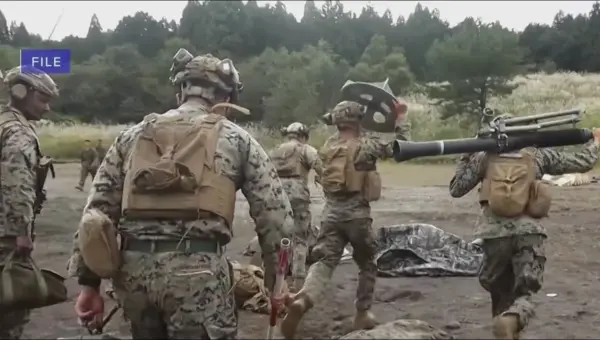
Colonel Jack Jacobs explained the distinction between ground operations and a full-scale invasion. The U.S. currently has a limited number of conventional troops in the region, likely not enough to seize and hold territory for an extended period. Instead, any ground operations would more likely involve special operations forces conducting raids. However, Jacobs stressed the immense risk involved.
High Risk for Ground Troops
Putting American troops on the ground in Iran, whether conventional or special operations forces, would make them immediate targets. Iran has been strategically holding back resources, particularly missiles, for such an eventuality. Colonel Jacobs warned that any deployment would likely trigger a massive missile response, not just against the troops but across the region, posing a significant threat to U.S. national security.
Israel’s Position Amid Regional Instability
David Noriega reported from Jerusalem on Israel’s reaction to the potential U.S. ground operations. Israeli officials have remained largely quiet on the matter and on any potential participation. This silence is partly due to the Israel Defense Forces (IDF) already being stretched thin by ongoing operations in Lebanon and Gaza. The IDF is reportedly facing a potential manpower and resource crisis, further complicated by internal political debates over military conscription for ultra-Orthodox Jews.
IDF Strained by Multiple Fronts
The IDF’s involvement in Lebanon has been escalating, with recent reports of airstrikes killing UN peacekeepers, journalists, and paramedics. Prime Minister Netanyahu has indicated a shift from a defensive to an offensive posture in southern Lebanon. Furthermore, there are growing political discussions within Israel about potentially expanding its borders into southern Lebanon, a move that raises international concerns and is influenced by the need to maintain coalition support.
Congressional Oversight and Iranian Response
The prospect of U.S. ground troops in Iran raises questions about congressional approval. Democrats are expected to push for such approval, given the potential risks to American lives. Meanwhile, Iranian officials have issued stark warnings, with the Iranian parliament speaker quoted as saying, “Our men are waiting for the arrival of American soldiers on the ground to set them on fire.” This rhetoric underscores the volatile nature of the situation.
Strategic Comparisons and Future Outlook
President Trump has drawn comparisons between potential U.S. actions in Iran and operations in Venezuela, suggesting a strategy of seizing strategic locations like Karg Island to control resources. However, analysts like David Rode argue these comparisons are flawed. Seizing Karg Island, while possible with U.S. Marines, would still invite a significant retaliatory response from Iran through drones and ballistic missiles, potentially damaging energy infrastructure and leading to further escalation.
Looking Ahead
As the situation develops, all eyes will be on whether the U.S. moves forward with ground operations and how Iran responds. The complex geopolitical dynamics involving Israel, Pakistan, and the potential for regional conflict will continue to be critical factors. The coming days and weeks will likely reveal the next steps in this increasingly tense standoff.
Source: Trump: U.S. in 'serious' talks with Iran, Iranian officials insist no negotiations underway (YouTube)

Related Articles

Gulf Allies Urge Trump to Continue Iran Conflict
U.S. allies in the Persian Gulf are urging President Trump to intensify military action against Iran, believing Tehran has not been sufficiently weakened. The ongoing conflict raises concerns about regional stability and global energy prices, while questions linger about the administration's long-term strategy.

Middle East Conflict Sends Gas Prices Soaring Past $4
The national average gas price has surpassed $4 per gallon for the first time since 2022, driven by escalating conflict in the Middle East. Recent attacks on oil tankers and military strikes have heightened fears of energy supply disruptions, impacting consumers globally.
US Weighs Troop Deployment Amid Iran Deal Push
The U.S. is considering deploying ground troops to Iran while simultaneously pushing for a diplomatic deal to reopen the Strait of Hormuz. Air strikes are ongoing as President Trump increases pressure on Iran.