Air Travel Chaos: System Pushed to the Brink
The U.S. air travel system is under immense strain due to TSA staffing shortages and outdated infrastructure, leading to long passenger lines and operational disruptions. While back pay for TSA agents offers potential relief, experts warn that long-term retention and significant modernization efforts are crucial for stabilizing the system.

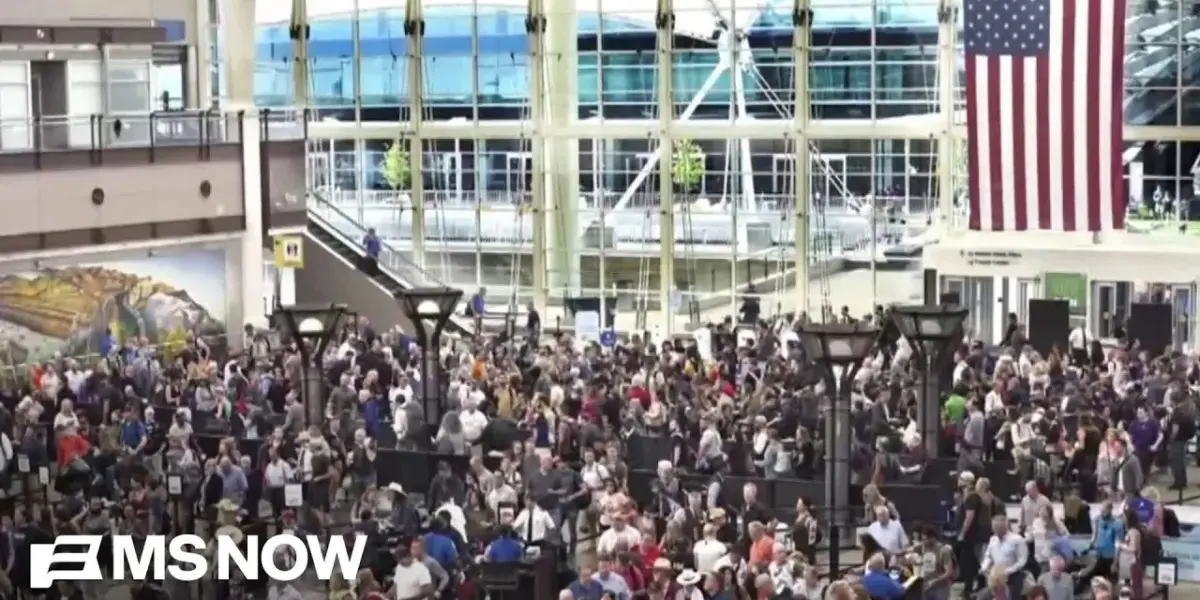
Air Travel System Strained Amid Staffing Shortages and Modernization Woes
The U.S. air travel system is facing unprecedented challenges, with long lines, stressed employees, and outdated infrastructure pushing the entire network to its limits. Passengers have endured weeks of frustratingly long waits at security checkpoints across the country. This situation is compounded by recent incidents and ongoing concerns about the system’s ability to handle future demands.
TSA Paychecks and Staffing: A Glimmer of Hope?
A recent executive order aimed to address the Transportation Security Administration (TSA) staffing crisis by ensuring agents receive back pay. While this could alleviate some immediate staffing issues and potentially shorten lines, experts caution against expecting an overnight fix. The return of TSA agents to their posts hinges on their willingness to come back to a job marked by previous government shutdowns and unpaid work. The long-term retention of these essential workers remains a critical concern.
“It’s all about retention,” noted one aviation reporter. “It’s all about do they want to come back to work and help supply all of these airports that they’ve obviously now vacated?” The effectiveness of the pay solution will become clearer in the coming weeks, especially as major travel holidays like Easter and Passover approach, periods that typically see a surge in air travel.
Beyond Security Lines: Systemic Stress
The problems extend beyond lengthy security queues. Flights have been subject to delays and ground stops, indicating a broader strain on the system. Aviation reporter Oriana Pollack highlighted this in her recent piece, stating, “The alarm bells are going off, air travel hits new lows.” She described the system as being “pushed to the brink again and again.” This stress is not limited to ground operations; air traffic controllers are also experiencing immense pressure. “Controllers are stressed out, everybody seems to be quite stressed out,” Pollack observed.
Modernization Efforts: A Long Road Ahead
Federal investigators are examining recent incidents, such as a collision at LaGuardia Airport, to understand how to improve the system. A significant part of this effort involves modernizing the nation’s air traffic control infrastructure. While the Trump administration has allocated $12.5 billion as an initial investment, it is estimated that an additional $19 billion may be needed to fully update the system. This modernization is a complex and lengthy undertaking, expected to take decades.
“We’re going to need more money to get it done. We’re going to need a huge undertaking with contractors, with the FAA taking control over how this money is moving,” explained Pollack. She expressed surprise that the system is not yet more advanced, noting that discussing current travel issues feels “a little shocking” given the year. The goal is to transition to a 21st-century air travel system, a process that requires sustained funding and effort from Congress.
Implications for Future Travel
The current state of air travel is far from the “golden age” that many envisioned. With major events like the World Cup on the horizon, which will bring thousands of international visitors, the need for a reliable and efficient air travel system is paramount. The upcoming weeks will be crucial in determining whether the implemented measures can stabilize the system or if further action is required. Congress is expected to play a key role in ensuring these issues are addressed long-term.
Broader Context: Immigration and Policy
The discussion also touched upon the presence of Immigration and Customs Enforcement (ICE) agents at airports, drawing a connection to broader immigration policies. One perspective suggested that the visible presence of ICE could serve as a reminder of controversial immigration enforcement actions, sparking debate about the role of different agencies within public spaces like airports.
What’s Next?
All eyes will be on the airports in the coming weeks to see if the back-pay for TSA agents leads to improved staffing and shorter lines. Simultaneously, the ongoing efforts to modernize air traffic control will continue, with future funding needs likely to be a major topic of discussion. The upcoming travel surges will serve as critical tests for the resilience and efficiency of the U.S. air travel system.
Source: 'System is being pushed to the brink': Air travel is hitting new lows (YouTube)

Related Articles

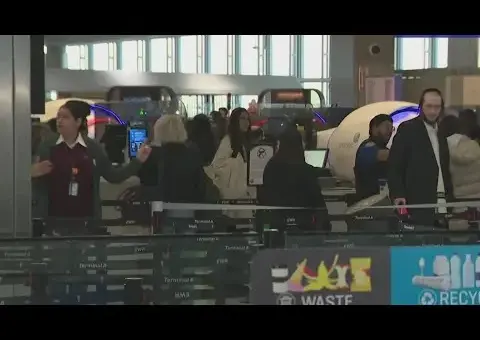
Jet Fuel Shockwaves: Airlines Warn of Fare Hikes, Flight Cuts
Rising jet fuel prices, driven by conflict in the Strait of Hormuz, are forcing airlines to warn travelers of higher fares and fewer flights. This comes as TSA lines ease, but worker pay remains uncertain, highlighting broader instability.


Trump Threatens Iran; TSA Workers Get Back Pay
Tensions escalate in the Middle East as President Trump threatens severe action against Iran if a deal isn't reached, while Iran denies ongoing U.S. negotiations. Meanwhile, TSA workers receive partial back pay amid a prolonged government shutdown, and lawmakers face scrutiny over potential insider trading in online prediction markets.
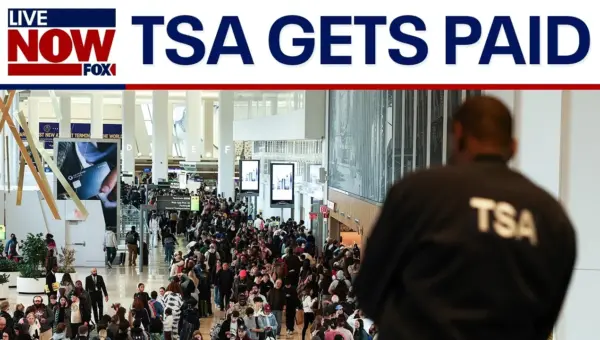
TSA Workers Paid, But Shutdown Frustration Grows
TSA workers are receiving partial paychecks amid the ongoing Department of Homeland Security shutdown, offering some relief but not ending worker frustration. The payment comes as airport lines ease, yet the underlying political stalemate over border security funding continues, leaving the long-term outlook uncertain for federal employees.