Trump’s Iran Talk Aims to Ease Oil Prices, Not Boost Talks
President Trump's optimistic talk about Iran negotiations is likely a strategy to control oil prices, not a sign of diplomatic breakthroughs. Analyst Mark Urban explains that the U.S. is using threats and calculated restraint to manage markets while direct talks remain elusive. Meanwhile, Iranian proxy groups like the Houthis pose a growing threat to regional stability and global trade routes.

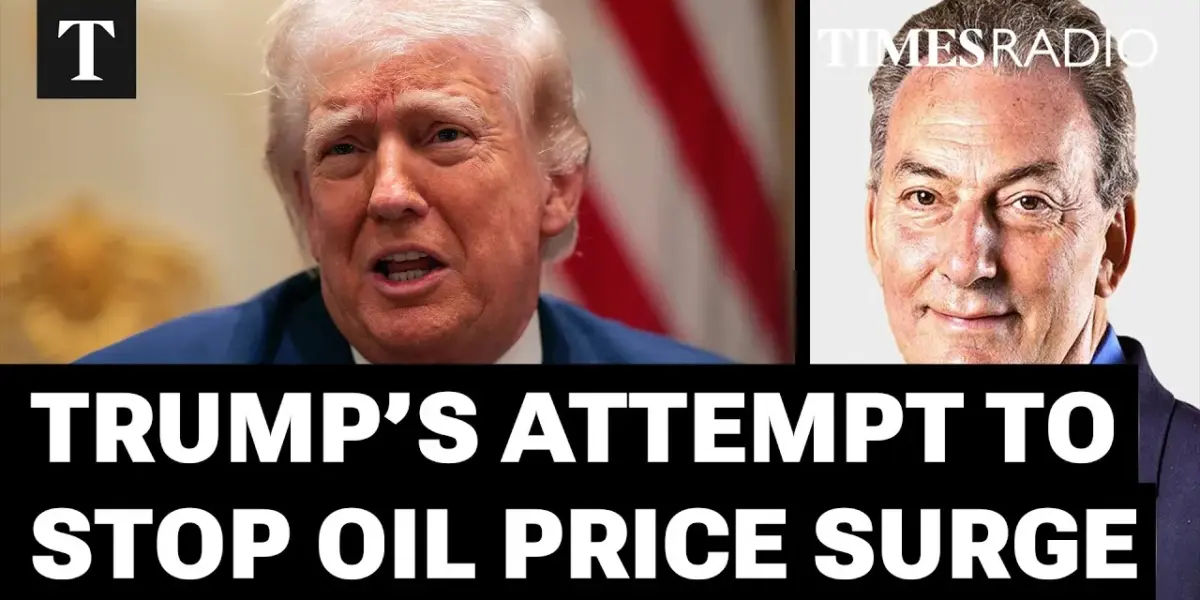
US-Iran Tensions: A Game of Words and Threats
President Donald Trump’s recent public statements about productive negotiations with Iran are likely a strategic move to manage global oil prices, not a reflection of genuine diplomatic progress. This assessment comes from foreign policy analyst Mark Urban, who suggests Trump is using optimistic rhetoric to calm markets and improve his negotiating leverage. The underlying reality, Urban explains, is a complex standoff where both sides are posturing, and direct talks remain elusive.
‘Talks About Talks’ Amid Escalating Rhetoric
Despite Trump’s claims of “very good negotiations” with Iran, Mark Urban suggests the situation is best described as “talks about talks.” While intermediaries like the Turkish and Pakistani foreign ministers have engaged in preliminary “scoping exercises” to gauge common ground, no substantial progress has been made. The lack of direct, high-level meetings, such as a potential encounter involving JD Vance, indicates that both the U.S. and Iran are still circling each other, assessing the potential benefits and risks of genuine engagement.
Strategic Threats to Influence Iran
Trump’s simultaneous talk of seizing Iranian oil facilities, like Car Island, and his administration’s military preparations are seen by Urban as deliberate threats. These actions are intended to pressure the Iranian regime and focus their attention on potential U.S. military responses. However, Urban points out that the U.S. has not yet taken the most aggressive actions, such as bombing facilities or intercepting Iranian oil tankers. This restraint, he argues, is a calculated effort to prevent oil prices from soaring, a move confirmed by Treasury Secretary Scott Besson.
“I think all of this is trying to buy time essentially by Trump to ease the pain on the oil price to make out that his negotiating position might be better than it is.”
The Dangers of Seizing Car Island
Urban outlines three potential U.S. options regarding Car Island: threatening ships heading there to disable the terminal, destroying the facilities from afar, or a full-scale military operation to seize the island. While taking the island might be achievable, Urban highlights the immense difficulty and danger in holding it. Resupplying troops and rotating forces would create vulnerabilities, making the location a prime target for Iranian bombardment and drone attacks, turning it into a costly outpost.
A Risky Mission to Seize Enriched Uranium
The idea of a U.S. special operations mission to seize Iran’s enriched uranium, potentially stored at the Isfahan underground site, is described as highly risky. Such an operation would require a large force to secure a wide perimeter, excavate tunnels, and transport the uranium. While it could set back Iran’s nuclear program significantly, Urban emphasizes that it would not eliminate their nuclear capability. The knowledge and technology for uranium enrichment would remain, allowing Iran to restart its program in secret.
Proxy Groups: A Growing Concern
The involvement of Iranian-backed Houthi rebels in Yemen, launching strikes towards Israel, marks a new phase in the regional conflict. Urban notes that while Houthi missile launches may not significantly impact Israel, their potential to disrupt shipping through the vital Bab el-Mandeb Strait is a serious escalation. This strategic chokepoint controls oil flow from Saudi Arabia and other Gulf states. The decision by Iran and its proxies not to disrupt this shipping route yet suggests it remains a potent, held-back option for future escalation, possibly in response to U.S. actions like seizing Car Island.
Looking Ahead: The Path to Resolution
Ultimately, Mark Urban suggests that the lasting solution to Iran’s nuclear ambitions lies in either a negotiated agreement, similar to the one Trump abandoned, or regime change within Iran. Until then, the world watches as diplomatic maneuvering, economic pressure, and the threat of military action continue to define the tense relationship between the United States and Iran, with global oil markets hanging in the balance.
Source: Trump Is Exaggerating Negotiating Position To Prevent Oil Price Surge | Mark Urban (YouTube)

Related Articles

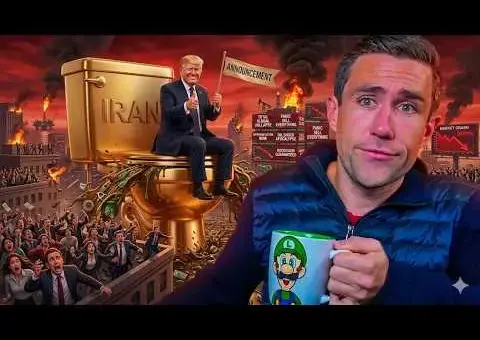
Trump’s Iran Announcement: Markets Brace for Impact
Former President Donald Trump is set to announce his strategy on Iran, leaving markets on edge. Analysts foresee potential escalation scenarios, with a 60% chance of increased regional tension impacting oil prices. A 'nothing burger' announcement is also possible, though less likely.
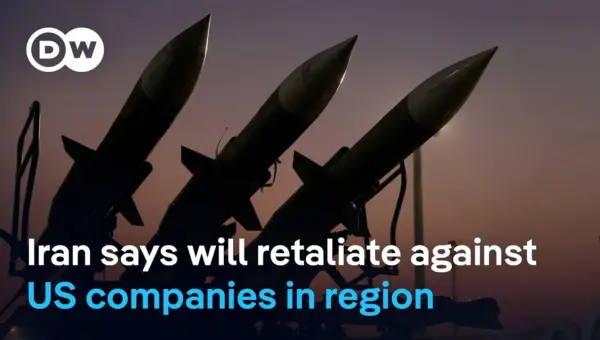
Iran Warns US Firms as Mideast Tensions Flare
Iran's Revolutionary Guard has threatened to target U.S. companies in the Middle East as U.S. and Israeli forces launch new strikes. Defense Secretary Buttigieg believes Iran's window for retaliation is closing, though analysts warn its asymmetrical capabilities persist. Morale within Iran's military is reportedly plummeting amid escalating conflict.
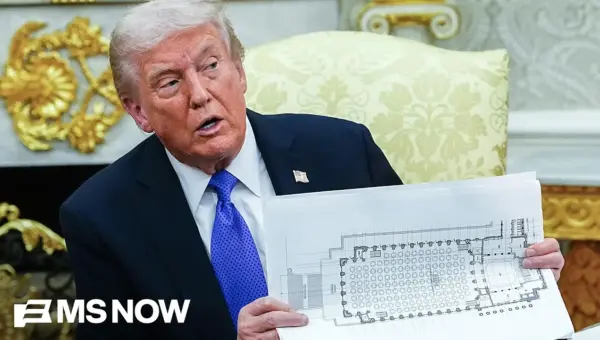
Judge Halts Trump Ballroom Project, Cites Presidential Authority
A federal judge has halted President Trump's White House ballroom renovation, citing the need for Congressional authorization. The ruling emphasizes the President's role as a steward, not an owner, of the historic building. This decision comes amid ongoing international conflict and rising gas prices, drawing parallels to the administration's handling of foreign policy.