Iran Rejects US Ceasefire Plan, Citing ‘Excessive Demands’
Iran has rejected a 15-point US ceasefire proposal, calling its demands "excessive." The US plan reportedly seeks to curb Iran's nuclear program, missile development, and regional aggression. Experts suggest Iran's leverage lies in controlling key global shipping choke points.

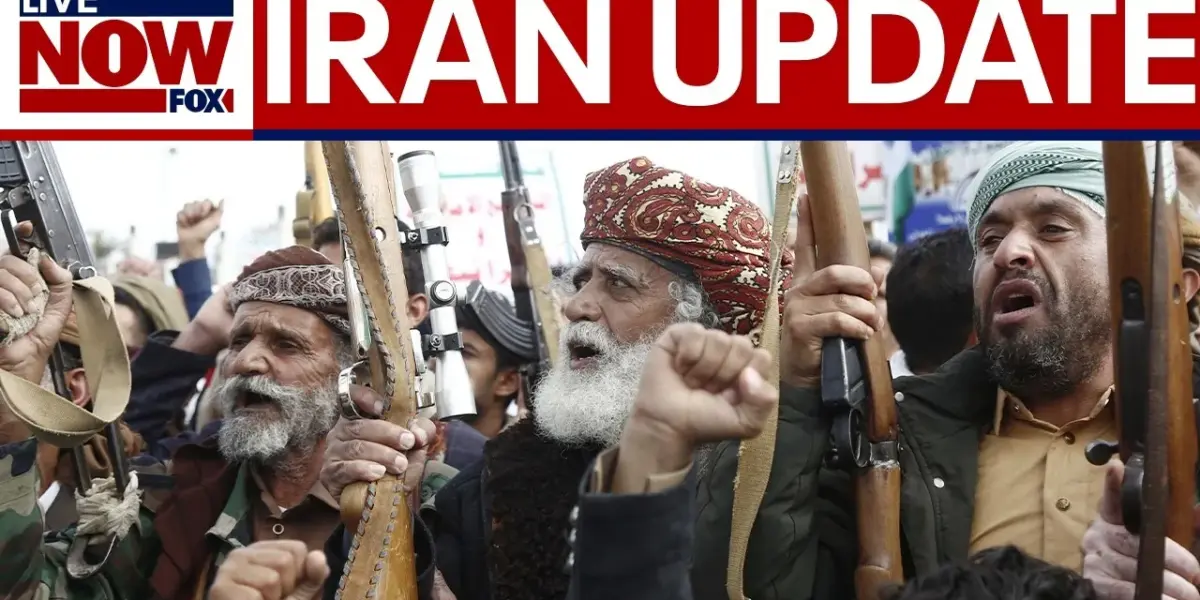
Iran Calls US 15-Point Plan “Excessive”
Iran’s Foreign Minister has declared a 15-point ceasefire proposal from the United States as containing “excessive demands.” This statement comes amid ongoing tensions and military actions in the region, raising questions about the current state of negotiations between the two nations.
US Demands Curb Iran’s Regional Actions
The 15-point plan, put forth by the Trump administration, reportedly asks Iran to cease its nuclear program, halt its missile development, and stop its support for regional proxies. It also calls for an end to aggression towards neighboring countries in the Persian Gulf and an improvement in Iran’s human rights record.
Jonathan Shanzer, Executive Director at the Foundation for the Defense of Democracies, explained the US position. “Donald Trump is asking for all of these things to be curbed and for the regime essentially to capitulate,” he stated. Shanzer believes this is a call for Iran to give up, recognizing that it has been disadvantaged on the battlefield.
Military Advantage with US and Israel
Despite ongoing economic warfare and regional attacks, Shanzer asserts that the advantage lies with the United States and Israel. “They continue to take out significant assets across the Islamic Republic,” he noted. He highlighted that Iran lacks the missile and air defense systems to counter these actions effectively.
While there has been a slight decrease in the intensity of strikes, with Israel reducing its daily operations and the US sending an aircraft carrier for repairs, Shanzer views this as a temporary lull. He suggested that the Iranian regime might mistakenly believe they can withstand the pressure, warning that prolonging the conflict could lead to the regime’s collapse under its own weight.
Iran’s Leverage and Strategic Choke Points
From Iran’s perspective, the Foreign Minister’s rejection of the US proposal signals continued pushback. Shanzer discussed potential Iranian leverage, noting that continued strikes against Israel are not significantly impacting the US. The primary leverage, he believes, lies in the Strait of Hormuz and the Bab el-Mandeb Strait.
The Strait of Hormuz is a critical waterway where about 20% of the world’s oil transits. The Bab el-Mandeb, at the southern end of the Red Sea, is another vital corridor for roughly 12% of global trade. Iran could potentially control these choke points, directly or indirectly through proxies like the Houthis in Yemen.
“The US and Israel are waging a military campaign to degrade the Islamic Republic while the Islamic Republic and one of its proxies is waging an economic war,” Shanzer summarized. The core question is whether the US can secure international partners to help keep these waterways open.
US Strategy: Diplomacy or Escalation?
President Trump has indicated that negotiations are progressing but also suggested the need for military action. He has kept his options open, pursuing diplomacy primarily through Pakistan, a choice Shanzer described as “somewhat odd.”
The US strategy appears to involve pursuing diplomacy while simultaneously conducting air assaults, increasing military presence, and considering troop deployment. Shanzer believes President Trump will eventually need to choose between a diplomatic process or an effort to bring down the regime.
Alleviating pressure on the Strait of Hormuz is seen as crucial. Shanzer explained that reopening this waterway would lower oil prices, which in turn would provide the US president with more flexibility. He also mentioned the potential impact on natural gas prices, suggesting they remain artificially high.
Gulf States’ Response to Regional Conflict
Pakistan announced it would host talks between the US and Iran, highlighting its mediating role. Meanwhile, Gulf States are directly experiencing the conflict’s impact.
Shanzer noted that Gulf States are not engaging in significant offensive actions, which he sees as potentially beneficial given the crowded airspace over Iran. The US and Israel are conducting air operations, supported by refueling and reconnaissance planes, while Iran launches missiles, rockets, and drones.
Defensively, Gulf allies are deploying US systems, but short-range attacks and drone swarms pose challenges. Ukraine’s President Zelenskyy recently secured defense pacts with some Gulf states, which could help them counter drone threats, some advised by Russia.
Unlike Israel, which has the effective Iron Dome missile defense system, other regional actors are less experienced. Shanzer stated, “The Gulf States are getting rocked right now, and you see that there’s a lot of damage getting done.” This conflict is shifting their perspective, with some, like the UAE, urging the US to “finish the job” and eliminate the threat from Iran.
Broader Implications and Future Outlook
This shared threat could align the Gulf States with Israel, potentially reviving discussions about expanding the Abraham Accords. However, Shanzer emphasized that resolving the crisis in the Strait of Hormuz and bringing down the Iranian regime are prerequisites for such developments. The path forward remains unclear, with both objectives still uncertain.
President Trump recently posted on Truth Social, claiming a “big day in Iran” with “many long sought after targets” destroyed by the US military. The situation remains fluid, with ongoing military actions and diplomatic efforts shaping the regional dynamic.
Source: Iran calls U.S. 15-point plan "excessive" (YouTube)

Related Articles
US Jet Downed in Iran: Crew Fate Unknown, War Unpopular
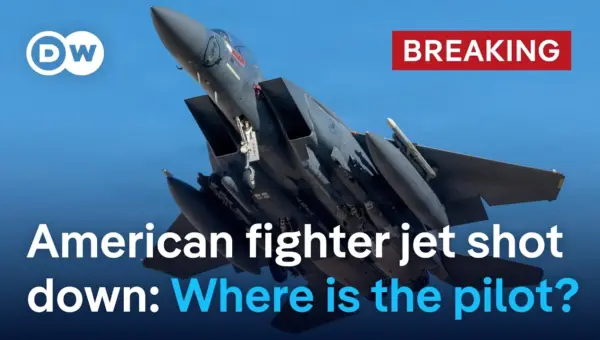
An American F-15 fighter jet has been shot down over Iran, with U.S. officials confirming the loss but offering few details on the crew's fate. The incident occurs amid widespread public opposition to the war and raises questions about Iran's air defense capabilities.

Iran Claims US Pilot Ejected; US Silent Amid Escalating Tensions
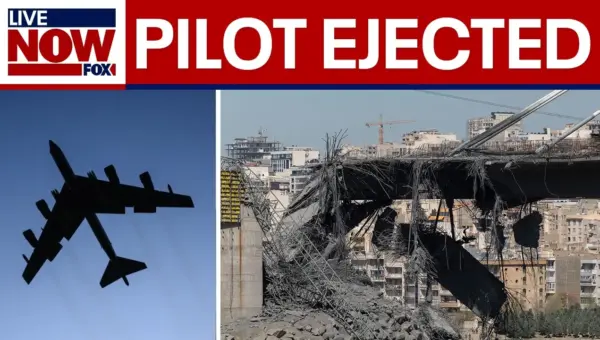
Iran claims a U.S. pilot ejected from a fighter jet over its territory, offering a reward for capture. The U.S. has not confirmed the report amid escalating regional tensions. Military experts discuss the strategic implications of U.S. strikes and the potential for internal change in Iran.


US Pilot Feared Lost in Iran; Search Underway
The U.S. military is conducting a search operation inside Iran for an American pilot whose fighter jet may have been downed. Details are limited, with uncertainty over whether the plane was shot down or suffered mechanical failure. The operation highlights the complexities of rescue missions in hostile territory and occurs amid heightened regional tensions.