Blunkett: Benefits Are Never Worth More Than Work
Lord David Blunkett argues that work should always be more appealing than benefits for young people, except in cases of long-term disability. He discussed the challenges of youth unemployment, the impact of COVID-19 on mental health, and the importance of distinguishing between everyday struggles and serious illness. Blunkett also advocated for economic policies that encourage employment and reduce reliance on state support.

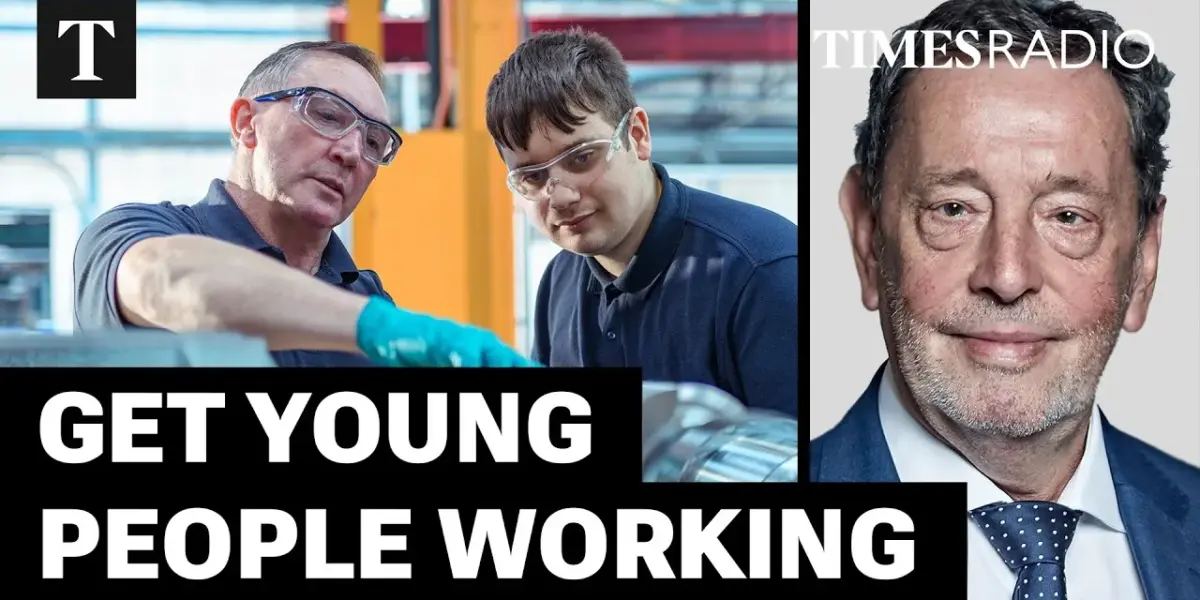
Ex-Minister Urges Young People to Prioritize Work Over Benefits
Former Secretary of State for Education and Employment, Lord David Blunkett, has issued a strong call for young people to see work as a more valuable option than relying on state benefits. In a recent interview, Blunkett argued that while the benefit system should support those facing difficulties, it should never be a preferable alternative to employment, except for individuals with long-term disabilities.
Addressing Youth Unemployment: Challenges and Causes
Blunkett highlighted the concerning number of young people not engaged in education, employment, or training (NEET). He noted that over 900,000 individuals aged 16 to 24 fall into this category, with a significant portion not even claiming benefits. This raises questions about their economic activity, suggesting they might be in the “black economy” or supported by family.
The impact of the COVID-19 pandemic was also cited as a major factor. Blunkett explained that the pandemic had a detrimental effect on young people’s mental health and stress levels. Ironically, he pointed out that good education and employment can actually benefit those struggling with mental health challenges, provided they are not severely ill and require medical treatment.
Looking at international examples, Blunkett mentioned that countries like Holland and Denmark have been more successful in reducing youth unemployment. He stressed the importance of addressing this issue, as these young people represent the nation’s future workforce.
Mental Health: Distinguishing Challenges from Illness
The discussion touched upon the increasing awareness and destigmatization of mental health issues. However, Blunkett expressed concern that everyday mental unrest, which everyone experiences, might be overly pathologized into a condition requiring extensive support, potentially leading people to withdraw from the workforce.
He emphasized the need to distinguish between severe mental illness requiring medical intervention and common emotional difficulties. “You can be sad without being ill,” Blunkett stated, illustrating that a breakup or minor issues do not equate to a mental illness. He believes that while some need medical help, others benefit from good social connections, resilience, and importantly, a job.
Blunkett shared a personal anecdote about his own life, noting the value of having a daily rhythm and a purpose, even at his age. He believes this sense of purpose is crucial for young people as well.
Disability and Overcoming Barriers
Addressing concerns about a rising number of children being classified with disabilities, Blunkett drew from his own experience. Having a visual impairment, he never viewed it as a defining disability that would lead to dependency. Instead, he saw it as a barrier to overcome.
He advised parents facing challenges with their children to avoid defining them by their difficulties. “Don’t believe that this is somehow life-threatening or life-changing,” he urged. Blunkett shared how his sons manage dyslexia with the help of modern technology, highlighting that many conditions are manageable and can even be the “beginning of something entirely different.” His message was clear: focus on finding ways to say “yes” and enabling potential, rather than justifying reasons to say “no.”
Government Incentives and Economic Realities
The government’s initiative to offer employers £3,000 for hiring young people aged 18-24 not in education, employment, or training was discussed. Blunkett viewed this as a potentially good idea, acknowledging the complexity of the economic environment.
He addressed the argument that increased minimum wages and business rates might counteract such incentives. Blunkett defended the National Minimum Wage, which he helped introduce decades ago. He believes paying a fair wage, even the youth rate which is lower than the adult rate, is sensible. It makes jobs more attractive, addressing the sentiment among some young people that “it’s not worth it” to work.
“It’s got to be worth going to work rather than being on benefits,” Blunkett reiterated. He also stressed the need to adjust the benefit system to actively help individuals with problems, ensuring it doesn’t become a disincentive to work.
Reducing the Welfare Bill Through Economic Activity
When asked about the national welfare bill, Blunkett proposed a two-step approach to reduce it. First, he called for an end to the “exponential rise” in benefit costs, arguing that funds currently spent on benefits could be redirected to programs that prevent people from becoming dependent in the first place.
Second, he suggested that as more of the population becomes economically active and self-sufficient, the welfare bill can naturally decrease. Blunkett expressed confidence that this goal is achievable, citing past successes in reducing the welfare bill under previous governments.
His core message emphasizes that while support systems are vital, the ultimate aim should be to foster an environment where young people are empowered and incentivized to find meaningful employment, contributing to both their own well-being and the broader economy.
“It’s got to be worth going to work rather than being on benefits.”
– Lord David Blunkett
Looking Ahead
The focus now shifts to how effectively these government incentives and Blunkett’s proposed strategies will be implemented. The success of programs aimed at reducing youth unemployment and encouraging work will depend on careful execution and ongoing evaluation. The long-term impact on the welfare bill and the economic participation of young adults will be key indicators to watch.
Source: David Blunkett On Youth Jobs: ‘Staying On Benefits Is Never Worth It’ (YouTube)

Related Articles


Education Guru’s Shocking Death Fuels China’s Deepest Anxieties
The sudden death of Chinese education influencer Zhang Xuefeng has ignited widespread speculation and highlighted deep-seated anxieties about education, careers, and societal pressures in China. His rise and controversial life offer a stark look at the country's competitive landscape.


Staff Shields Trump’s Mind from Reality, Experts Warn
A former aide warns that Donald Trump's mental decline is not new, but the system around him can no longer cope. This lack of checks and balances is more dangerous than any cognitive issues, creating significant risks for policy and national security.

Find Inner Peace: Spirituality Aids Trauma Healing
Discover how spirituality, beyond organized religion, can be a powerful tool in healing from trauma. It offers connection, meaning, and hope for those on their recovery journey.