Democrat Urges End to Iran Conflict Amid Escalating Tensions
A top House Democrat is urging an end to the conflict with Iran, stating that U.S. military actions have failed to achieve fundamental strategic changes. He expressed deep concern over troop deployments and potential ground operations, calling for immediate negotiations to de-escalate tensions.

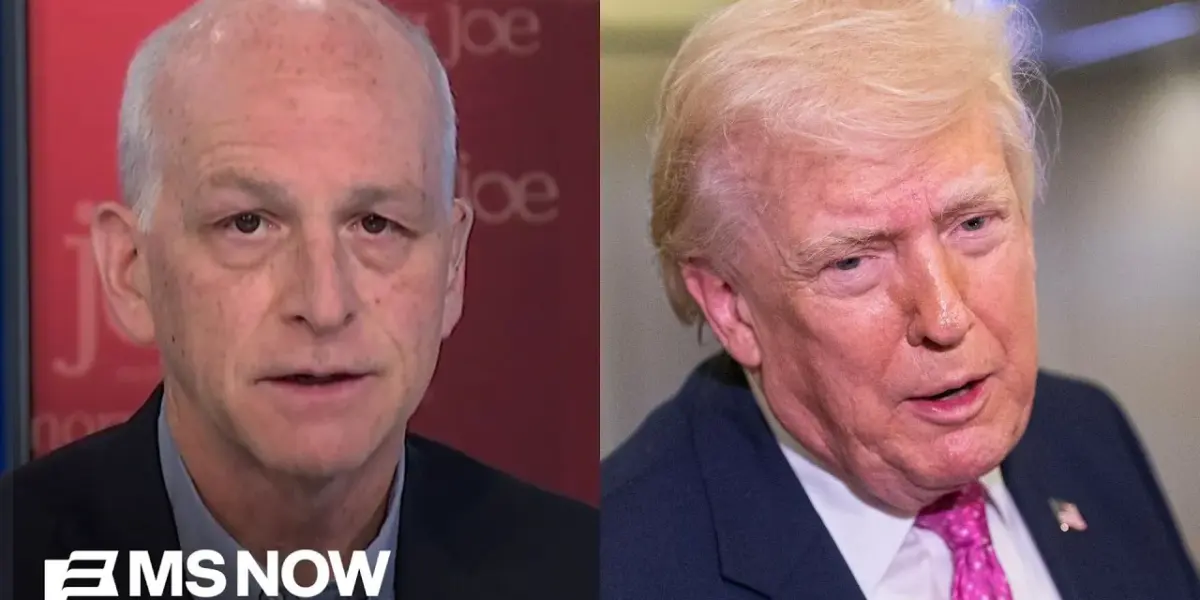
Democrat Urges End to Iran Conflict Amid Escalating Tensions
In a recent interview, a leading House Democrat expressed deep concern over the escalating conflict with Iran, calling for an immediate cessation of hostilities. The lawmaker, identified as the ranking member of the House Armed Services Committee, detailed a two-pronged approach to the situation: degrading Iran’s military capabilities while simultaneously failing to achieve fundamental strategic changes within the country. He argued that while U.S. military actions have successfully weakened Iran’s offensive power, they have not altered Iran’s core policies or its regional behavior, leading to a precarious and worsening situation.
Dual Goals: Degrading Power vs. Strategic Change
The congressman broke down the objectives of the U.S. strategy into two distinct categories. The first goal is to degrade Iran’s military capabilities, focusing on its nuclear program, missile launchers, and drone technology. U.S. forces are described as highly effective at identifying and striking these targets. However, the second, more crucial set of goals involves achieving a fundamental shift in Iran’s long-term behavior. This includes ensuring Iran abandons its nuclear ambitions, ceases ballistic missile development, stops supporting regional terrorist groups, and improves its treatment of its own citizens.
“That one sort of hangs out, I think it is more of a hope,” the congressman stated regarding the improvement of human rights within Iran. “But the first three, that’s what would make a strategic difference. And that is where we’re making no real progress.” He highlighted that Iran, despite facing military setbacks, appears to be realizing that the U.S. is not making progress on these deeper strategic changes, suggesting a dangerous disconnect between military actions and diplomatic aims.
Concerns Over Troop Deployment and Ground Operations
Reports of significant additional U.S. forces, including marine elements, paratroopers, and special operations forces, being sent to the region have raised alarms. The congressman voiced serious concerns about these deployments, questioning their purpose beyond search and rescue missions. “We can not get a clear answer to that question, but why move them there if you’re not going to use them? That’s the question that really worries me,” he stated.
Further fueling these worries are comments made by President Trump to the Financial Times, suggesting a potential assault on Karag Island and acknowledging that U.S. forces might be there for an extended period. The congressman described this as an “incredibly risky operation,” noting that taking the island would be difficult, and holding it would leave troops vulnerable. He expressed fear that such a decision might be made without adequate consideration of expert advice.
The Strait of Hormuz and Diplomatic Stalemate
The conflict has also seen Iran’s actions impact the Strait of Hormuz, a vital waterway for global commerce. The congressman pointed out that the U.S. entered the conflict with pre-existing problems: Iran’s nuclear program, missile development, and support for terrorism. Now, a fourth issue has emerged: Iran’s ability to disrupt shipping in the Strait.
He questioned the lack of clear plans or visible movements of naval assets, such as American destroyers and escort ships, needed to secure the Strait. “This is yet another thing that has not been thought out with the degree of sophistication that it needs to be,” he remarked. The congressman explained that simply escorting ships is insufficient; a guarantee of safe passage is required, which he believes cannot be provided given the ease with which drones, mines, or suicide ships can be deployed. He drew a parallel to the Red Sea, where commercial traffic has not significantly increased despite efforts to deter Houthi attacks, because the threat remains.
A Call for Negotiation and an End to the War
The lawmaker strongly advocated for a negotiated settlement, arguing that the current military approach has not yielded the desired strategic changes and has potentially weakened the U.S. position. He rejected the idea of continuing the conflict based on sunk costs, emphasizing that the longer the war drags on, the greater the risk of further escalation and loss, citing the spread of conflict to other regions and attacks on U.S. allies and personnel.
“Stop it now, all right? Because nothing better is going to happen,” he urged. “The risk, the loss, the costs, negotiate the best possible cease-fire you can in this moment and begin to plan for some sort of negotiated end.” He believes that further military action will not achieve significantly better outcomes to justify the mounting costs. The best path forward, in his view, is to negotiate an end to the war as soon as possible and bring troops home, emphasizing the crucial role of diplomacy in mitigating damages and achieving a sustainable resolution.
Moving Forward: Diplomacy Over Military Might
The congressman concluded by stressing that while the military can execute orders to degrade targets, it is the diplomatic side that is crucial for achieving a less damaging outcome. He suggested that reliance on figures like Jared Kushner, who is reportedly involved in negotiations, highlights the need for robust diplomatic efforts. The path to an “achievable win” lies not in prolonged military engagement, but in skillful negotiation and a commitment to de-escalation. The focus must shift from military confrontation to diplomatic resolution to prevent further instability and loss in the region.
Source: Stop the war as soon as possible: House Democrat weighs in on war with Iran (YouTube)

Related Articles

US Weighs Iran Strategy: Hormuz Strait’s Fate Uncertain
The United States is reportedly reconsidering its strategy in the Iran conflict, potentially willing to end hostilities even if the Strait of Hormuz remains closed. This critical oil choke point's closure has trapped thousands of vessels, causing global economic disruption and raising questions about U.S. war objectives. Military action remains a strong possibility to reopen the vital waterway.

US Threatens Iran’s Infrastructure, Faces Diplomatic Backlash
U.S. President Trump has escalated rhetoric against Iran, threatening to destroy civilian infrastructure if a deal isn't reached, while Iran denies direct talks and calls proposals "unrealistic." Meanwhile, the Artemis II mission prepares for a historic lunar orbit, marking a new era of space exploration.

Trump Weighs War Crime Threat Over Iran Strait
President Trump is reportedly willing to accept the continued closure of the Strait of Hormuz, despite earlier threats, signaling a shift in U.S. demands. This comes as gas prices surge and markets react negatively to the ongoing conflict. Conflicting messages from within the administration fuel confusion about the war's objectives and exit strategy.