Putin Outmaneuvers Trump, Exposing Weakness on Cuba Policy
Recent events show a Russian oil tanker reaching Cuba, bypassing a supposed U.S. blockade. This move, seen by critics as a sign of weakness and a strategic win for Russia, raises questions about U.S. foreign policy and its effectiveness in the region.

Putin Outmaneuvers Trump, Exposing Weakness on Cuba Policy
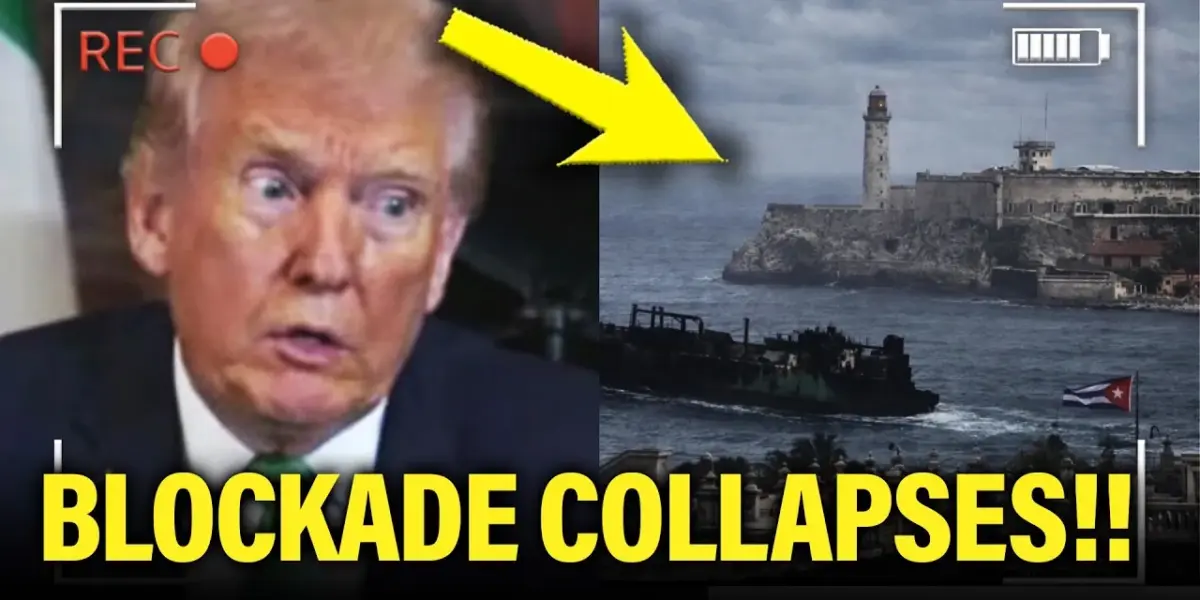
The international stage often feels like a complex chess game, and recent events surrounding Cuba have highlighted a significant move by Russian President Vladimir Putin. The situation involves a Russian oil tanker heading to Cuba, a move that appears to have challenged and ultimately bypassed a supposed U.S. “blockade” previously enforced under the Trump administration. This event has led to serious questions about U.S. foreign policy, particularly its approach to Cuba and its relationship with Russia.
Trump’s “Blockade” and Russia’s Response
In early 2026, the Trump administration declared a national emergency and implemented a policy to impose tariffs on countries supplying oil to Cuba. This was framed as addressing threats posed by Cuba. The U.S. Coast Guard even intercepted a Greek tanker in February, forcing it to divert its oil shipment. This demonstrated a clear intention to prevent fuel from reaching the island nation, aiming to increase pressure on the Cuban government.
However, the narrative shifted when Russian oil tankers began heading towards Cuba. Despite the strong stance taken against other nations, the U.S. government, under Trump, ultimately allowed a large Russian oil tanker carrying approximately 730,000 barrels of crude oil to reach Cuba. This decision was made even though the U.S. Coast Guard had the capacity to intercept the vessel. Officials cited that barring specific orders, the Coast Guard planned to let the tanker proceed.
The decision to allow the Russian tanker to reach Cuba was explained by some as a way to avoid a direct confrontation with Russia. Donald Trump himself stated that he wouldn’t mind if countries sent oil to Cuba, believing that such shipments wouldn’t significantly impact Cuba’s overall situation, which he described as dire due to a “bad regime” and “corrupt leadership.” He added that the people of Cuba need heat and cooling, suggesting it was humane to let the oil through regardless of the source.
Criticism and Accusations of Weakness
Critics, however, viewed this allowance as a major strategic blunder and a sign of weakness. They argue that it undermined the entire purpose of the U.S. blockade and sent a message that Russia could challenge American policy with impunity. The fact that Russia, a nation accused of providing weapons and logistical support to Iran, which in turn targets American soldiers, was allowed to deliver crucial supplies to Cuba raised further concerns.
The Ukrainian President, Volodymyr Zelenskyy, was cited as expressing confusion over the U.S. decision to lift sanctions on Russia while Russia was allegedly aiding Iran in targeting U.S. military assets. Zelenskyy reportedly viewed this as strange, with the implication that it could be seen as bordering on treasonous behavior. This highlights a broader concern about U.S. policy towards Russia and its impact on global security.
Historical Context and Shifting Alliances
The U.S. policy towards Cuba has a long and complex history, marked by the ongoing embargo and periods of increased tension. The Trump administration’s focus on tightening restrictions, including the oil blockade, was part of a broader strategy to isolate the Cuban government. This approach, however, has drawn criticism from international bodies like the United Nations, which have pointed to the potential for a humanitarian crisis.
The situation also brings into focus the evolving relationship between Russia, Cuba, and Iran. The transcript suggests that Russia is using its oil shipments to Cuba as a strategic move, strengthening ties with a long-standing ally while also potentially testing U.S. resolve. The mention of Russian Duma leaders visiting Washington D.C. and meeting with Republican members of Congress, followed by the oil shipment to Cuba, is seen by some as evidence of a coordinated effort or at least a Russian exploitation of perceived openings in U.S. foreign policy.
Marco Rubio’s Stance
Senator Marco Rubio’s public statements on the matter have also been scrutinized. Initially, Rubio seemed to support a strong stance against Cuba, emphasizing that the embargo was tied to political change on the island. However, in the lead-up to the Russian tanker’s arrival, Rubio appeared to shift his narrative. He claimed that Cuba wanted oil for free and that there was no actual naval blockade, suggesting that the issue was Cuba’s unwillingness to pay for fuel.
This appears to contradict earlier statements and the actions taken by the U.S. government to intercept oil shipments. Critics argue that this shift in messaging, coming just before the Russian tanker was allowed to dock, served to downplay the significance of the event and potentially cover for a perceived policy failure.
Why This Matters
This situation raises critical questions about American foreign policy and its effectiveness. The perceived inability to enforce a blockade against a Russian oil shipment to Cuba suggests a potential erosion of U.S. influence in its own hemisphere. It also highlights the complex geopolitical dynamics at play, where Russia appears willing to exploit opportunities to expand its influence and challenge U.S. interests.
The decision to allow the Russian tanker to proceed, while potentially avoiding immediate conflict, has been interpreted by many as a strategic concession. It could embolden Russia and its allies, while simultaneously weakening the U.S. position on the global stage. The ongoing debate over the blockade and the role of Russia in supplying Cuba underscores the challenges of maintaining a consistent and effective foreign policy in a rapidly changing world.
Implications and Future Outlook
The future outlook suggests continued tension in U.S.-Cuba relations, with potential for further Russian involvement. The precedent set by allowing the tanker to dock could encourage similar actions by Russia or other nations seeking to circumvent U.S. policy. The effectiveness of U.S. sanctions and diplomatic strategies will likely be under renewed scrutiny.
Furthermore, the incident may influence future U.S. policy decisions regarding both Cuba and Russia. The perception of weakness could lead to a reassessment of current strategies, potentially resulting in either a more assertive approach or a continued policy of de-escalation to avoid direct confrontation. The narrative around U.S. strength and resolve on the international stage has undoubtedly been impacted, and how this plays out in future geopolitical maneuvers remains to be seen.
Source: All HELL BREAKS LOOSE as Trump’s BLOCKADE COLLAPSES!!! (YouTube)

Related Articles
Hungary-Russia Collusion Alleged in Bid to Lift Sanctions
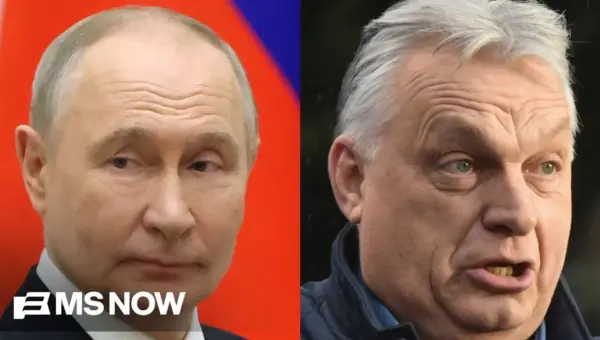
A new report alleges that Hungary's foreign minister colluded with Russia's Sergey Lavrov to lift EU sanctions on Russian oligarchs and entities. Intercepted calls, authenticated by experts, suggest Budapest acted as a Kremlin agent. The revelations surface as Hungary heads into a critical election, raising concerns about Russian interference and the country's future within the EU.
Trump Weighs War Crime Threat Over Iran Strait
President Trump is reportedly willing to accept the continued closure of the Strait of Hormuz, despite earlier threats, signaling a shift in U.S. demands. This comes as gas prices surge and markets react negatively to the ongoing conflict. Conflicting messages from within the administration fuel confusion about the war's objectives and exit strategy.

Trump’s Wealth vs. Biden’s Economy: A Stark Contrast?
A debate contrasts Donald Trump's reported crypto earnings with concerns over Biden's economy, including rising inflation and gas prices. The discussion critically examines proposed fiscal policies and their impact on national debt and social programs.