Congress Vacations While TSA Workers Face Pay Crisis
Congress's Easter recess highlights a 'cruel irony' as TSA officers work without pay. Former TSA administrator John Pistol warns of unpredictability at checkpoints and security risks, especially amid international tensions. The situation impacts thousands of workers and national security.

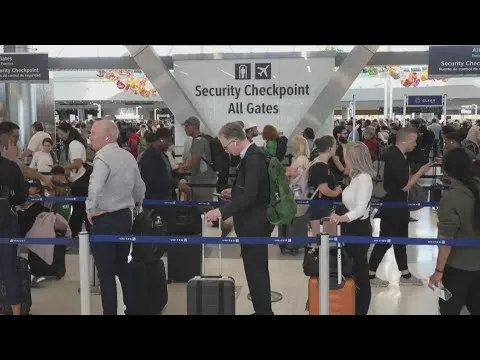
Congress Vacations While TSA Workers Face Pay Crisis
As lawmakers in Washington D.C. headed off for a two-week Easter recess, a critical funding bill remained unpassed. This means thousands of Transportation Security Administration (TSA) officers are going without pay. The situation highlights a stark contrast: politicians are on paid leave, traveling on taxpayer money, while the very people tasked with keeping travelers safe are working without a salary. This is a cruel irony, especially for the 55,000 TSA officers affected.
TSA Officers Caught in Political Crossfire
John Pistol, former administrator of the TSA, described the situation as deeply unfortunate. He noted that TSA officers are expected to show up for work and perform their duties, ensuring public safety during travel. However, they are not receiving their paychecks. Many are still hoping to be paid for the past five weeks of work. The uncertainty extends to future pay, making it difficult for the TSA to recruit and retain staff.
An emergency executive order from President Trump was expected to ensure paychecks arrived for TSA workers on a specific day. However, this does not solve the larger problem of ongoing government shutdowns or ensure future pay. The question remains whether this will bring any sense of normalcy back to air travel.
Unpredictability at Security Checkpoints
Pistol explained that normalcy is a relative term in this context. The only certainty at TSA checkpoints across the country is unpredictability. Wait times can vary dramatically. Travelers might experience shorter lines one moment, only to face waits of two, three, or even four hours later. This inconsistency makes planning difficult and adds stress to the travel experience.
The number of TSA officers calling in sick surged over the weekend. Many workers have already found other jobs but have not yet officially resigned. They may be waiting to receive their final paychecks before leaving. The ongoing uncertainty about how many officers will return to work, how many will resign, and how many will find new employment creates a volatile situation. This unpredictability is detrimental to travelers and national security.
Security Risks Amidst International Tensions
Pistol also raised serious concerns about the security risks associated with these long lines, especially in the current global climate. Airports and transportation hubs are considered soft targets for individuals seeking to cause harm or make a statement. With ongoing tensions, such as the war with Iran, the risk increases. The presence of large crowds in extended queues could present opportunities for malicious actors.
He elaborated that individuals might seek to carry out attacks within airport terminals, potentially using improvised explosive devices or engaging in violence. While the visible presence of TSA officers is intended to act as a deterrent, the current situation undermines this. Pistol believes that the long lines themselves can be a distraction, potentially drawing attention away from other security needs.
The Path Forward
The immediate priority, according to Pistol, is to ensure that the men and women of the TSA are paid so they can effectively do their jobs. The ongoing political impasse in Congress directly impacts the operational capacity and morale of a vital security agency. Until a funding solution is reached, the travel public will continue to face disruptions and potential security vulnerabilities.
Global Impact
This situation at the TSA highlights a broader trend of political gridlock impacting essential public services and national security. When critical government functions are held hostage by partisan disputes, the consequences extend beyond the immediate employees. Travelers face inconvenience and potential danger. The agency’s ability to function effectively is compromised, potentially weakening national security at a time of global instability.
Historical Context
Government shutdowns are not new in the United States. However, the prolonged nature and the specific impact on security personnel, like TSA officers, during times of heightened international tension, are significant. Past shutdowns have often been resolved through short-term measures. This incident underscores the need for more stable and consistent funding mechanisms for essential government operations, particularly those related to national security.
Economic Leverage
The unpaid wages for TSA officers represent a direct economic hardship for thousands of families. This also has ripple effects on local economies where these workers live. Furthermore, the disruption to air travel can impact businesses reliant on transportation, from airlines to tourism and hospitality sectors. The government’s ability to fund its essential services is a key aspect of its economic stability and credibility on the global stage.
Shifting Power Balances
This event highlights the power dynamics between different branches of government and the impact of political decisions on public employees. It also brings attention to the vulnerability of critical infrastructure when funding is uncertain. The TSA, as a front-line security agency, is directly caught in this political tug-of-war, demonstrating how domestic political issues can have international security implications.
Future Scenarios
One scenario is that Congress will eventually reach a funding agreement, resolving the immediate pay issue for TSA officers. However, the underlying political divisions may lead to future shutdowns and similar crises. Another scenario involves the TSA facing significant staffing shortages due to resignations and difficulty in recruitment, leading to long-term impacts on travel efficiency and security. A third, more concerning scenario, involves a security incident occurring at an airport due to reduced staffing or morale, further compounding the crisis.
Source: Shutdown ‘cruel irony’ as Congress leaves Washington: Ex-TSA chief | Morning in America (YouTube)

Related Articles
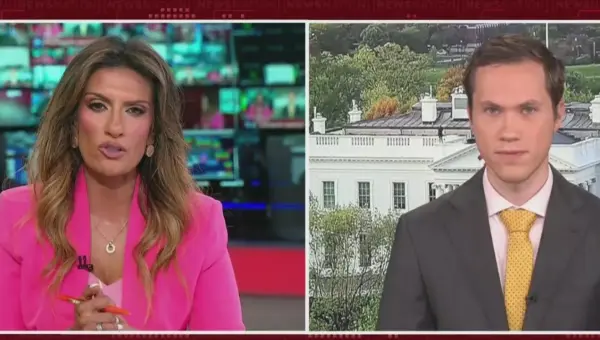
US Rescues Airman, Uniting Congress in Rare Bipartisan Praise
Washington reacted with widespread relief and bipartisan praise following the successful rescue of a U.S. service member held in Iran. The operation united lawmakers, demonstrating American resolve and capability in a complex geopolitical landscape. This event highlights the enduring importance of military power and its impact on regional dynamics.
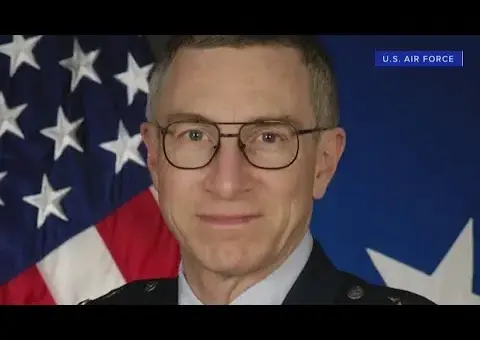
Ex-General’s Disappearance Fuels UFO Conspiracy Theories
Retired Air Force Major General William McCasland's sudden disappearance has sparked intense speculation, fueled by his past work on classified programs and UFO conspiracy theories. While his wife suggests personal health struggles led him to leave intentionally, his background in secret projects and past encounters with Russian hackers keep other theories alive.

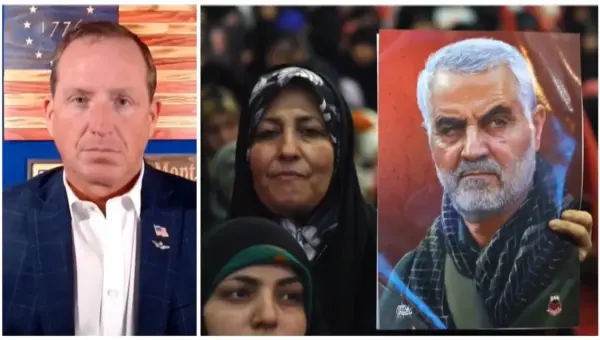
US Revokes Green Cards From Soleimani Kin
The US has revoked green cards for relatives of Qasem Soleimani, citing their support for the Iranian regime. Retired Lt. Col. Darren Gob supports the move, emphasizing national security. The discussion also covered search and rescue operations and military actions against Iran.