Iran Conflict Threatens Global Chip Supply Chain
Recent attacks in the Middle East are disrupting the supply of helium, a key component in manufacturing semiconductors. This shortage, combined with rising energy costs, threatens the global chip supply chain, impacting everything from smartphones to AI technology.

Iran Conflict Threatens Global Chip Supply Chain
Recent drone and missile attacks by Iran on liquefied natural gas (LNG) facilities in Qatar are creating a potential crisis for the world’s semiconductor supply. The disruption impacts the availability of helium, a crucial element in chip manufacturing, and highlights the fragility of global supply chains. This situation could soon affect the production of essential electronics, from smartphones to advanced AI systems.
Helium: The Unsung Hero of Chip Production
Helium is not just for party balloons; it is a vital component in the complex process of making semiconductors. These tiny chips are the brains behind almost every modern electronic device, including phones, laptops, and the powerful processors driving artificial intelligence. The global supply of helium is heavily concentrated, with Qatar producing over a third of the world’s total supply.
Qatar’s state-owned Qatar Energy produces this essential gas as a byproduct of its massive liquefied natural gas operations. However, recent Iranian drone and missile strikes targeting these LNG facilities have forced production shutdowns. When LNG production stops, helium output drops significantly, directly impacting the global supply chain for chips.
Ripple Effects Through Global Chip Manufacturing
The impact of these disruptions is far-reaching, affecting major chip producers in the United States, South Korea, and Taiwan. China, a significant player in the technology sector, is also heavily exposed. China imports a staggering 95% of its helium, with nearly 90% of that supply coming directly from Qatar.
Beijing had been working to reduce its reliance on U.S. sources for helium, aiming to build more independent supply chains. However, this latest disruption from Qatar reveals just how vulnerable its strategy has left the country. The situation is further complicated by shipping challenges, as the Strait of Hormuz, a key maritime route, faces increased risks, making it harder to transport the limited helium that is produced.
Rising Energy Costs Compound the Problem
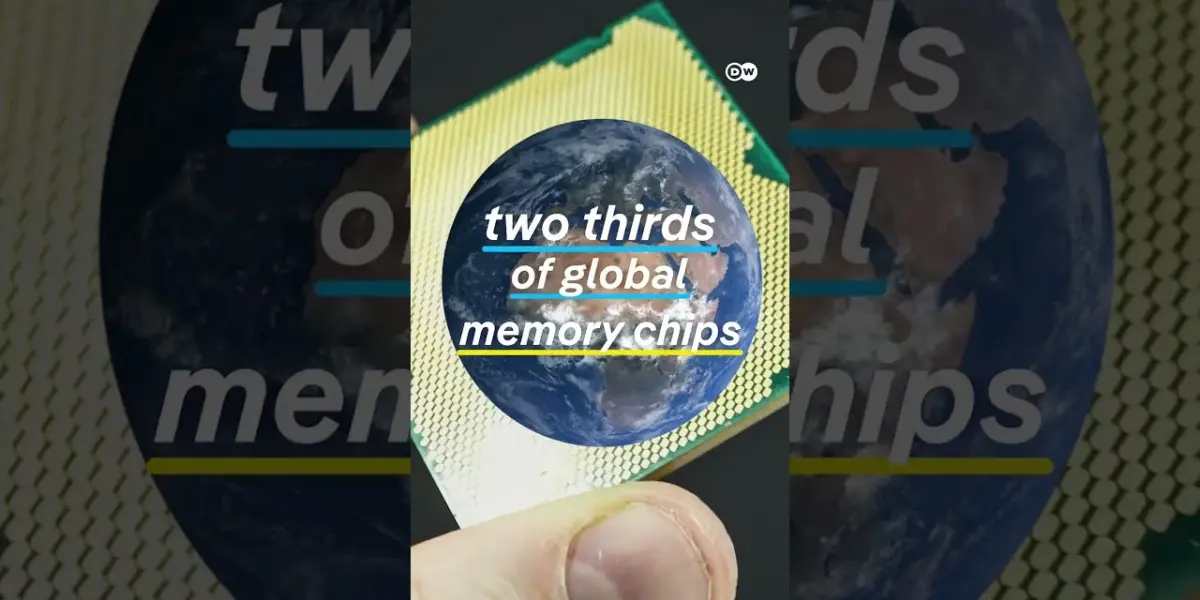
Beyond the direct impact on helium, rising energy prices are also creating significant challenges for the semiconductor industry. South Korea, a global leader responsible for about two-thirds of the world’s memory chips, is particularly vulnerable to these energy cost fluctuations. The South Korean market recently experienced its worst downturn since the 2008 financial crisis.
Major South Korean chip manufacturers like Samsung and SK Hynix, which together represent nearly 40% of the country’s market capitalization, saw their stock values drop by more than 20% in just two days before stabilizing. This volatility is directly linked to energy prices and geopolitical stability in the Middle East.
The Strait of Hormuz: A Critical Chokepoint
South Korea relies heavily on the Middle East for its energy needs, importing roughly 70% of its crude oil from the region. A significant portion of this oil passes through the Strait of Hormuz, making it a critical chokepoint for the nation’s energy security. Crude oil still makes up a substantial 37% of South Korea’s primary energy mix.
The production of advanced semiconductors requires a consistent and affordable supply of electricity. Modern chip manufacturing processes are incredibly energy-intensive. The chips powering artificial intelligence applications, such as those found in Nvidia GPUs and the memory chips from Samsung and SK Hynix, are used in large, power-hungry data centers. When the cost of electricity increases, the expansion of AI technologies can slow down.
Shifting Strategies: Renewables as a Strategic Shield
Energy costs in South Korea have already surged by over 60% between 2020 and 2024. This sharp increase has prompted some manufacturers to consider moving production overseas to areas with lower energy expenses. In response to these challenges, some chip giants are proactively adjusting their strategies.
Taiwan, which also depends heavily on imported energy, is seeing its leading chip manufacturer, TSMC, commit to powering its operations entirely with renewable electricity in the coming years. By embracing clean energy, TSMC aims to create a strategic advantage, using sustainable power as a shield to protect its dominant position in the global semiconductor market.
Looking Ahead
The current geopolitical tensions and their impact on essential resources like helium and energy underscore the interconnectedness of global supply chains. As the world continues to rely on advanced semiconductors for everything from communication to artificial intelligence, the stability of their production will remain a critical concern. Future developments will likely focus on diversification of supply sources, increased energy efficiency in manufacturing, and the adoption of renewable energy to mitigate risks.
Source: How the Iran war just hit the world's chip supply | DW News (YouTube)

Related Articles


US Strikes Ignite Global War Fears
A recent video and its American reaction explore how US military actions in Iran have drawn over 20 countries into conflict, raising fears of a World War III. The analysis highlights a lack of awareness in the US about the global scale of the crisis and draws parallels to the lead-up to World War I.


Iran’s IRGC Faces Economic Ruin, Sparking Internal Revolt
Iran's powerful Islamic Revolutionary Guard Corps (IRGC) faces a potential internal crisis as its economic foundations are targeted. Analysts believe crippling the IRGC's finances could spark an uprising from within, offering a path to regime change without a full military invasion. This strategy could reshape regional power and global economics.


US Iran War Plans Decades Old, Expert Says Unprepared
A leading diplomacy expert warns that the U.S. is heading into a potential conflict with Iran with inadequate preparation, despite decades of planning. Professor Dan Plesh highlights critical logistical issues and a lack of immediate readiness, comparing the situation to entering a major war "half-cocked."