Trump Eyes Iran’s Oil Hub as Conflict Escalates
As tensions with Iran escalate, President Trump is reportedly considering seizing Kharg Island, a vital oil hub. The U.S. military presence in the region has grown, with the primary objective of reopening the Strait of Hormuz. However, experts warn of significant challenges in occupying territory and potential disruptions from Iranian proxies like the Houthis, impacting global energy markets.

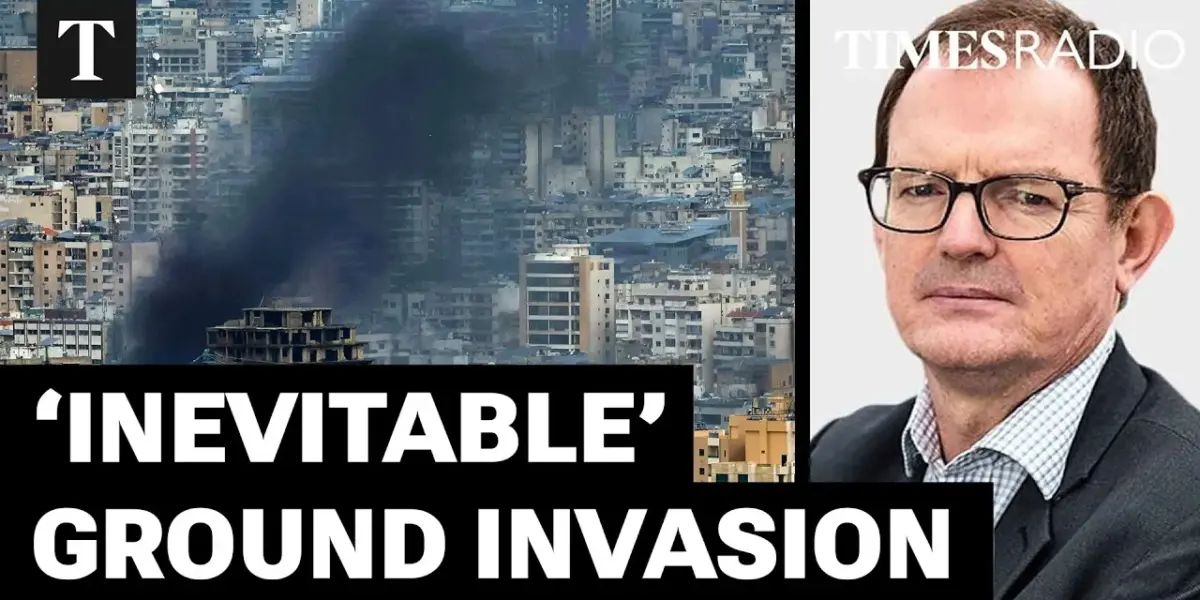
US Considers Kharg Island Seizure Amid Iran Tensions
As global energy prices surge and fears of fuel shortages grow, President Donald Trump has indicated a significant shift in U.S. strategy regarding Iran. Speaking to the Financial Times, Trump suggested that seizing Iran’s oil infrastructure, particularly Kharg Island, could be a favored option. This comes as the U.S. deploys thousands of troops to the region, signaling a potential escalation of the ongoing conflict.
Strait of Hormuz Remains Key Objective
The core objective driving U.S. military actions appears to be the reopening of the Strait of Hormuz, a vital waterway for global oil transport. The transcript highlights that forcing open this strait is seen as crucial for degrading Iran’s influence, either immediately or in the future, while minimizing severe consequences for the world economy. However, the article notes the inherent difficulty in achieving this goal, especially when the strait’s closure is a direct result of the existing conflict.
“The central aim of the war is to open the Strait of Hormuz. But of course, the Straight of Hormuz is only closed because of the war.”
Kharg Island: A Strategic Prize
Kharg Island, described as central to Iran’s oil industry, is presented as a key target in any U.S. military operation. Taking control of this island, along with other islands in the Persian Gulf, could be part of a strategy to prevent Iran from disrupting shipping. However, experts caution that simply taking territory is not enough. The challenge lies in holding it, a difficulty underscored by past U.S. experiences in conflicts like Iraq and Afghanistan.
Challenges of Occupation and Drone Warfare
Richard Spencer, a foreign correspondent for The Times, explains the complexities of such a military move. He points out that Iran would still possess drones and missiles, posing a significant threat to any occupying U.S. forces. The ongoing danger to American troops stationed in close proximity to Iran is a major concern. Furthermore, the effectiveness of taking islands is questioned, given the nature of modern warfare, including drones and mines, which can disrupt shipping even without direct control of key ports.
The ‘Go-Forward’ Argument and Historical Precedents
An argument exists that given the current level of U.S. involvement, continuing forward might be the only viable path. This perspective suggests that Iran will remain a military threat to Western interests and its Gulf neighbors, necessitating a definitive resolution. However, historical parallels with Vietnam, Afghanistan, and Iraq raise doubts about America’s ability to solve such complex problems permanently. While the surge in Iraq did bring a degree of pacification, ongoing issues persist.
Potential Operations on Nuclear Sites
Beyond oil infrastructure, the possibility of targeting Iran’s nuclear program is also discussed. Specifically, the retrieval of enriched uranium is considered, though deemed an incredibly difficult operation. Current assessments suggest Iran possesses a significant amount of 60% enriched uranium, possibly stored in canisters at facilities like Esfahan. The feasibility of securing a site in central Iran, extracting materials, and exfiltrating troops under fire is considered highly remote and far-fetched by analysts.
Houthi Involvement and Shipping Lane Threats
The conflict has also seen increased involvement from the Houthi movement in Yemen. Controlling parts of Yemen, the Houthis can launch missiles across the Bab-el-Mandeb strait, a critical chokepoint leading to the Red Sea and the Suez Canal. While not as critical as the Strait of Hormuz, disruptions here force costly rerouting of global shipping around Africa. The Houthis’ recent missile launches toward Israel are seen as a warning and a signal of further escalation as an Iranian proxy.
Global Economic Impact and Rising Prices
The escalating tensions are already having a tangible impact on the global economy. Brent crude oil prices have surpassed $115 per barrel, a significant jump from previous weeks. Diesel prices at the pump have also risen sharply, with many stations charging around 180 pence per liter. These price increases and the threat of further shortages are putting pressure on governments worldwide, including the UK, which is reportedly preparing for potential requests for assistance if the U.S. launches a ground invasion.
Looking Ahead: Uncertainty and Future Actions
The situation remains fluid and uncertain. While diplomatic efforts, such as talks hosted by Pakistan, offer a potential path to de-escalation, the rhetoric and military preparations suggest a ground invasion remains a real possibility. The international community, including allies like the UK, faces the prospect of being asked to support U.S. military actions, raising questions about preparedness and clear objectives. The coming weeks will likely reveal whether diplomacy prevails or if Trump’s administration opts for a more forceful approach, with significant implications for global stability and energy markets.
Source: Kharg Island: Trump's Challenge Lies With Retaining Control Of The Fuel Hub | Richard Spencer (YouTube)

Related Articles


Ukraine Offers Drone Defense to Gulf States Amid Iran Tensions
Ukraine is offering its advanced drone defense expertise to Gulf States facing threats from Iran. President Zelenskyy's diplomatic tour aims to secure security pacts, leveraging Ukraine's battlefield-tested, cost-effective solutions. This collaboration could provide crucial support for both Ukraine and its new regional partners.


Iran War Risks US Troops, Drains Arms, Congress Warns
Congressman Jake Auchincloss warns against a U.S. ground war in Iran, citing risks of a quagmire and public opposition. He criticizes the administration's strategy and opposes a $200 billion request to replenish weapons, arguing for domestic spending instead. The debate highlights concerns over military costs and the complex challenge of securing nuclear materials.
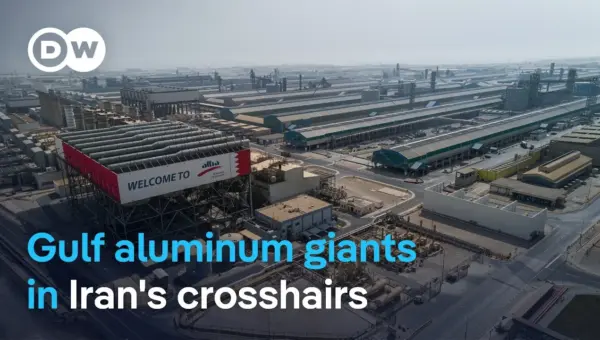
Iran Strikes UAE, Bahrain Aluminum Plants Amid Escalation
Iran has intensified its regional conflict by striking major aluminum production plants in the UAE and Bahrain, claiming they were linked to the U.S. military. These attacks target a key sector vital for global economies and renewable energy, potentially increasing inflation and disrupting supply chains.