Iran Strikes UAE, Bahrain Aluminum Plants Amid Escalation
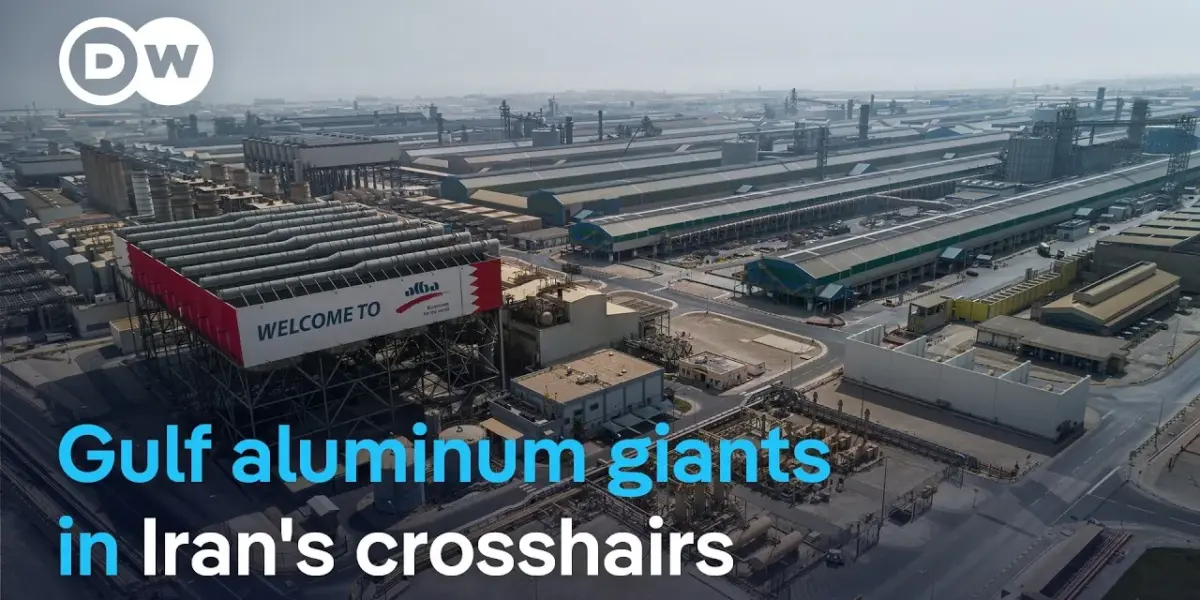
Iran has intensified its regional conflict by striking major aluminum production plants in the UAE and Bahrain, claiming they were linked to the U.S. military. These attacks target a key sector vital for global economies and renewable energy, potentially increasing inflation and disrupting supply chains.

Iran Targets Key Industrial Sites in Gulf
Iran has expanded its attacks across the Persian Gulf region, striking industrial facilities, including major aluminum plants in the United Arab Emirates and Bahrain. The Islamic Revolutionary Guard Corps (IRGC) claimed responsibility, stating the targeted facilities were linked to the U.S. military. The attacks, which occurred on Saturday, resulted in injuries to several employees at the sites.
Aluminum Industry: A “Crown Jewel” of Gulf Economies
The aluminum industry holds significant economic importance for the Gulf region. Experts describe it as the “crown jewel” of the Gulf’s efforts to diversify its economy away from oil. For decades, countries in the region have invested heavily in these facilities as a way to secure their economic future in a post-oil world.
Historically, Iran’s strikes primarily targeted the region’s energy infrastructure, hitting ports, pipelines, and major liquefied natural gas (LNG) facilities. However, this recent escalation shows Iran moving to target “downstream” elements of the energy sector, specifically industrial production.
Iran is trying to show that if you target our industrial base, then the industrial base of the region will be attacked in kind. The region is target-rich.
This strategic shift appears to be Iran’s response to alleged attacks on its own factories, which Iran blames on Israel in coordination with the U.S. From Iran’s perspective, these strikes are seen as a proportionate and acceptable form of deterrence, asserting that industrial facilities in the region are vulnerable if its own are targeted.
Major Players and Global Impact
The United Arab Emirates, Bahrain, and Qatar are the main aluminum producers in the Gulf. The UAE produces around 2.5 million tons of aluminum annually, while Bahrain produces about 1.5 to 1.6 million tons, and Qatar produces roughly half a million tons.
Combined, these Gulf nations account for about 9% to 10% of global aluminum production. This makes the region a major non-Chinese source of aluminum. China dominates the global market, producing around 60%. Countries like the U.S. and the European Union, which aim to reduce their reliance on China, import about 20% of their aluminum from the Gulf region.
Aluminum is a critical material used in construction, transportation, and renewable energy. The recent attacks have already begun to affect global aluminum prices, causing them to escalate. This could have a ripple effect throughout the global economy.
Aluminum’s Ubiquitous Role in Modern Life
Aluminum is found in countless everyday items. This includes beverage cans, cookware like pots and pans, and building materials such as aluminum siding for homes.
It is also a significant component in automobiles. Furthermore, aluminum plays a crucial role in the defense industry, being used in the manufacturing of armaments, missiles, drones, and satellites. In essence, aluminum touches nearly every aspect of modern life.
Renewable Energy Sector Reliant on Aluminum
The renewable energy sector is particularly dependent on aluminum. It is essential for the manufacturing of solar photovoltaic panels. Wind turbines also rely heavily on aluminum for their blades and other components.
As many countries pursue decarbonization and invest more aggressively in renewable energy, the demand for aluminum is expected to rise. However, with the current supply disruptions caused by the Iran conflict, the cost of these essential renewable energy components is likely to skyrocket.
“Dual Use” Facilities and Iranian Claims
The IRGC’s claim that the aluminum plants were linked to the U.S. military centers on the concept of “dual use” facilities. This means a facility or material can have both civilian and military applications.
For example, rubber can be used to make tires for both civilian vehicles and military aircraft like jet fighters. While the U.S. military does use aluminum sourced from the open market, and a portion of that comes from the Gulf, experts suggest there is no direct, overt linkage between these specific aluminum facilities and the U.S. military-industrial complex.
The analysis suggests Iran may be broadening the definition of “dual use” to justify its strikes. While aluminum produced in the Gulf might indirectly end up in U.S. armaments, there’s no evidence of direct security ties between these facilities and the U.S. or Israel.
Looking Ahead
The attacks represent a significant escalation in regional tensions, impacting not only energy supplies but also vital industrial sectors. The global economic consequences, including rising inflation and increased costs for essential goods and renewable energy projects, are becoming increasingly apparent. Future actions by Iran and the responses from the U.S., Israel, and regional powers will be critical to watch.
Source: Iran attacks UAE, Bahrain aluminum plants | DW News (YouTube)

Related Articles

Iran’s Houthi Gambit Signals Desperate Strategy
Iran's backing of the Houthis in the Middle East conflict signals growing desperation, according to expert David Worms. Limited resupply and potential U.S. and Israeli action could quickly diminish Houthi capabilities. Disruptions to Red Sea shipping pose significant global economic risks, while Iran's attempts to control waterways are seen as a step backward.

Iran Mocks Trump: War Lies Exposed, Leaders Show Infantile Behavior
Iran is using memes to mock Donald Trump, portraying him as incompetent and childish. Reports suggest his military briefings were reduced to two-minute "snackables" of explosions, potentially hiding the full scope of the war. This approach raises concerns about serious decision-making and has led to a loss of public trust.

China Faces Tough Choice as Iran Demands Military Aid
China is facing a major foreign policy challenge as Iran demands military assistance. Beijing is reportedly disappointed with Iran's treatment of Chinese vessels in the Strait of Hormuz. China must balance its economic interests and global reputation.