Food Stamp Rules Tighten: States Ban Soda and Candy
Several states are now banning the purchase of soda and candy with SNAP benefits. This move, supported by the Agriculture Department, aims to ensure taxpayer money funds nutritious options. However, critics argue these restrictions undermine food security and personal choice.

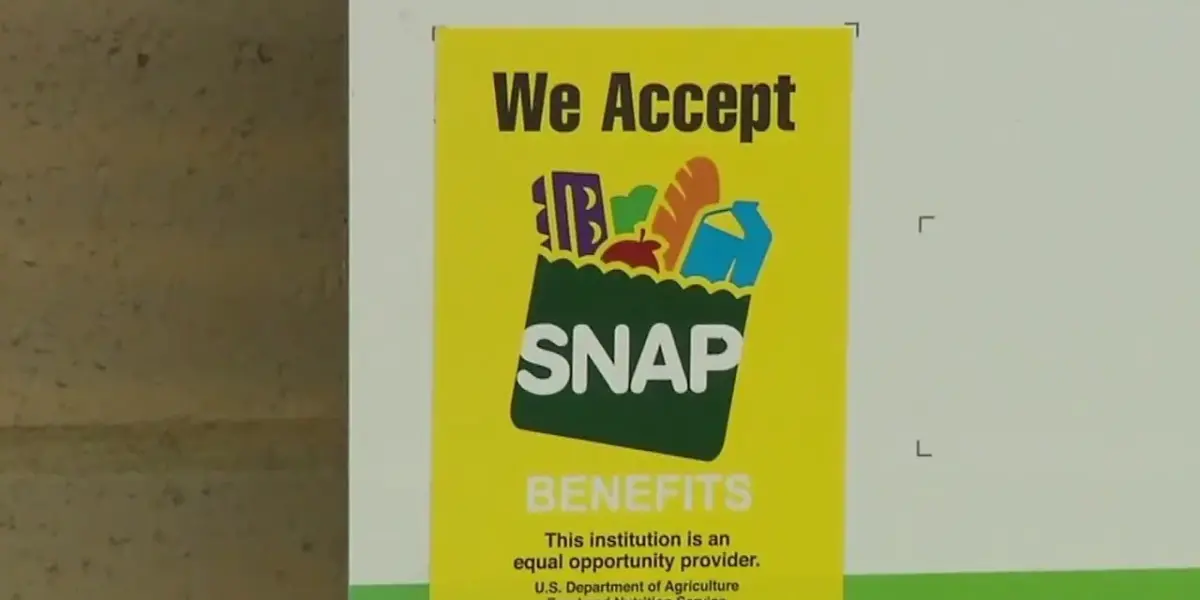
States Restrict SNAP Purchases: No More Soda and Candy
More states are putting limits on what people can buy with food stamps. Florida, Texas, and West Virginia are among them. Starting soon, these states will not allow recipients to purchase items like soda and candy using SNAP benefits. This move is part of a larger effort to control how taxpayer money is spent on food.
What Changed?
The Trump administration has been working to restrict the purchase of less healthy items with food stamps. As of now, 22 states have received approval to put these kinds of limits in place. However, each state must still get its own approval before the rules actually start. Kansas, Nevada, Ohio, and Wyoming are the most recent states to get the federal okay for these purchase restrictions.
SNAP by the Numbers
The program officially called the Supplemental Nutrition Assistance Program, or SNAP, helps millions of Americans buy food. In November 2025, about 40.7 million people were using SNAP. The program cost $7.97 billion that month. The Department of Agriculture says these new rules aim to make sure that money spent by taxpayers goes towards healthy foods. They hope this will lead to better health for people using the program.
Texas Leads the Way with New Rules
Starting soon, Texas residents using SNAP will see changes. They will no longer be able to buy items like candy bars, gum, and taffy. The restrictions also cover items such as nuts and raisins. Fruits that are candied, crystallized, glazed, or coated in chocolate, yogurt, or caramel are also on the banned list. This means a wider range of sugary and processed snacks will be off-limits.
Opposition to the Restrictions
Not everyone agrees with these new limits. A nonprofit group called the Food Research and Action Center is against these types of restrictions. They argue that watching what people buy with their food stamps doesn’t work. They also believe it goes against American values of freedom. Furthermore, the group warns that these rules could make it harder for people to get enough food, a problem known as food insecurity.
Why This Matters
These new SNAP restrictions bring up important questions about personal choice, public health, and government spending. On one hand, supporters believe that taxpayer money should fund nutritious foods that help people stay healthy. They see these bans as a way to encourage better eating habits and reduce health problems linked to poor diets, like obesity and diabetes. This approach focuses on using SNAP as a tool to improve health outcomes.
On the other hand, critics argue that these rules are intrusive and don’t address the root causes of unhealthy eating. They believe that SNAP recipients should have the freedom to choose their own food, just like anyone else. The Food Research and Action Center points out that these restrictions might not actually make people eat healthier. Instead, they could lead to people buying less healthy, but cheaper, alternatives or facing greater hardship in finding enough food to buy.
Historical Context and Background
The idea of regulating what people buy with government assistance is not new. Similar debates have happened for decades regarding programs like food stamps. Early versions of the program had fewer restrictions. Over time, as concerns about diet-related diseases grew, so did the calls for more oversight. The push to ban specific items like soda has gained momentum in recent years, with some cities and states trying similar measures even before federal approval.
Implications, Trends, and Future Outlook
The trend of states restricting SNAP purchases suggests a growing focus on the nutritional quality of food bought with public funds. This could lead to more states adopting similar policies. It also highlights a national conversation about the government’s role in influencing individual food choices. Looking ahead, we might see more debate about how to balance public health goals with individual liberty and the practical challenges faced by low-income families trying to afford healthy food.
The effectiveness of these bans in actually improving health is still being studied. It’s a complex issue with no easy answers. Future policies may need to consider broader strategies, such as increasing access to affordable healthy foods in all communities and providing better nutrition education, alongside any purchase restrictions.
Source: More States Ban Soda and Candy Purchases Using SNAP (YouTube)

Related Articles


New COVID Variant Fuels Health Concerns Amid Allergy Season
A new, more contagious COVID-19 variant from the Omicron family is spreading across the U.S., detected in wastewater and potentially evading vaccines. The timing complicates symptom identification as allergy season begins, with experts advising symptom duration and accompanying fever as key differentiators.


Vaccine Hesitancy: A Doctor’s Warning on Health Risks
A doctor warns that jokes about science and vaccines can have dangerous real-world health consequences. The rise of misinformation is linked to outbreaks of preventable diseases like measles and the rejection of essential newborn care.

Europe Gripped by Soaring Fuel Prices, Economic Pain Looms
Soaring fuel prices are creating significant economic and political challenges across Europe, impacting household budgets and raising inflation concerns. The continent's heavy reliance on diesel vehicles and high pre-existing fuel taxes exacerbate the problem, forcing governments to consider tax cuts and other measures to ease the burden on consumers and businesses.