Iran Mocks Trump: War Lies Exposed, Leaders Show Infantile Behavior
Iran is using memes to mock Donald Trump, portraying him as incompetent and childish. Reports suggest his military briefings were reduced to two-minute "snackables" of explosions, potentially hiding the full scope of the war. This approach raises concerns about serious decision-making and has led to a loss of public trust.

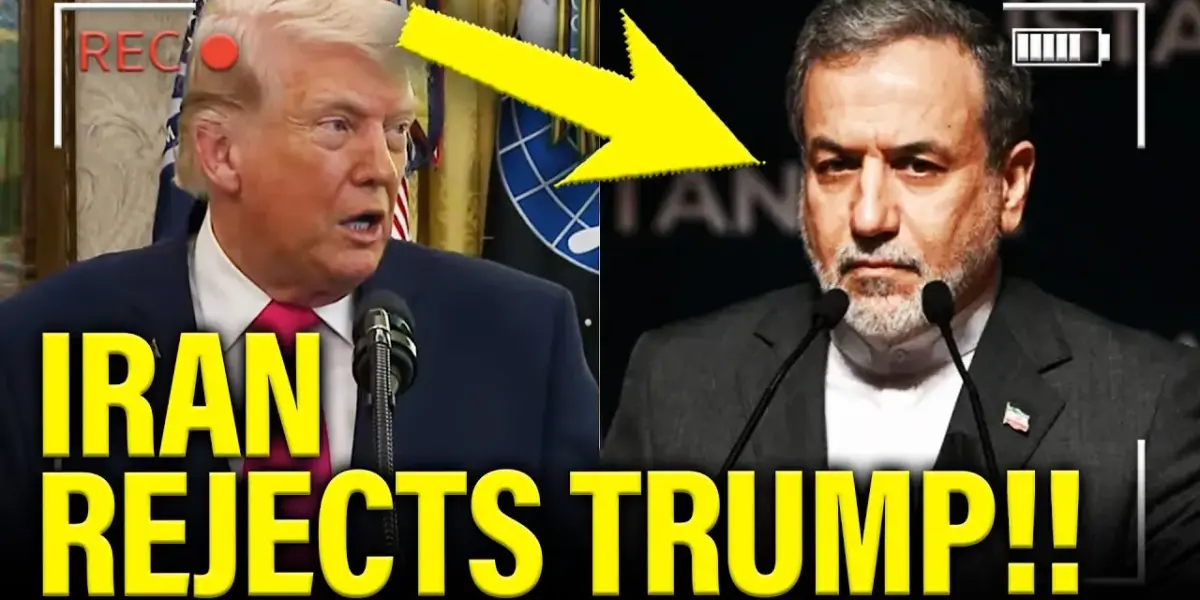
Iran Mocks Trump: War Lies Exposed, Leaders Show Infantile Behavior
The ongoing conflict between the United States and Iran has taken a bizarre turn, with Iran actively mocking former President Donald Trump through a barrage of memes. These digital jabs portray Trump as incompetent and childish, a sentiment echoed by critics who point to his administration’s handling of the war. One widely shared meme highlights Trump’s focus on a designer Sharpie pen during a cabinet meeting, even as the nation was engaged in military action.
Infantile Leadership in Times of Crisis
The transcript reveals a deeply concerning picture of President Trump’s engagement with the war. Reports suggest that his top military advisors prepared daily “snackables” – short video montages of successful U.S. strikes – to keep his attention. This approach has drawn criticism for potentially shielding the president from the full reality of the conflict. Officials expressed concern that Trump was primarily seeing “stuff blowing up,” without a balanced view of Iran’s capabilities or the broader consequences of the war.
“The military every single day creates videos probably similar to the ones that you’re seeing here now of some of the biggest explosions some of the biggest strikes that the US is taking against Iran. But some of the people we spoke with were a little concerned that the president is seeing these videos and he’s not necessarily getting the other side.”
This focus on visually appealing, albeit violent, content raises questions about the seriousness with which critical foreign policy decisions are being made. The report notes that Trump learned about damage to U.S. military planes from news media, not from his own briefings, leading to frustration and a demand for more positive news. This suggests a disconnect between the president’s desired narrative and the ground truth of the conflict.
Historical Context: A Pattern of Misinformation?
The current situation draws parallels to historical instances where leaders have prioritized public perception over factual reporting. The use of simplified, engaging content to brief a leader with a reportedly short attention span is unusual for matters of national security. The comparison to a “Wii game” or mixing combat footage with popular music like Nelly’s “Here Comes the Boom” highlights what critics see as a dangerous trivialization of war.
Previous administrations, while not without their own controversies, are generally perceived as having maintained a more serious demeanor in national security briefings. The transcript contrasts Trump’s alleged behavior with that of Presidents Biden and Obama, suggesting that while imperfect, they were more engaged with the gravity of global conflicts they inherited or initiated. The lack of serious engagement, critics argue, has made the U.S. a subject of international ridicule.
Iran’s Counter-Narrative and the Meme War
In response to what they perceive as American propaganda and aggression, Iran has launched a sophisticated counter-offensive in the realm of digital media. Their memes often depict Trump in unflattering and mocking ways, sometimes referencing controversial aspects of his personal life. This “meme game,” as described in the transcript, is seen as strong and effective in shaping international perception.
The transcript also touches upon the difficulty Americans face in discerning truth when their government’s pronouncements are questioned. When Trump claimed that Iran was interested in talks, state media in Iran swiftly denied it, leaving the public in an “uncomfortable position of who to believe.” This erosion of trust is a significant consequence of perceived deception.
The Nuclear Question and Escalating Tensions
Adding another layer of complexity, the discussion delves into the potential for nuclear escalation. Congressman Joaquin Castro questioned a U.S. Under Secretary of State about Israel’s nuclear capabilities, a question that was met with an inability or unwillingness to comment. This lack of transparency, especially during an active conflict involving Israel and Iran, raises serious concerns about the potential for unintended nuclear consequences.
The transcript suggests a dangerous alliance between what it calls “deranged psychopaths” in Donald Trump and Benjamin Netanyahu. It posits that Trump’s actions are akin to a “drunk toddler with a Glock,” while Netanyahu is accused of aiming to “flatten and destroy all of the Middle East.” This paints a grim picture of leadership driven by personal ambition and ideology rather than a commitment to peace and stability.
Why This Matters
The way leaders engage with critical decisions, especially those involving life and death, matters profoundly. When a commander-in-chief appears disengaged or is presented with heavily curated information, the risk of miscalculation increases dramatically. The trivialization of war, even through seemingly minor actions like focusing on a pen during a crisis, can signal a deeper lack of seriousness that has real-world consequences.
Furthermore, the effectiveness of Iran’s information warfare highlights the evolving nature of international relations. Memes and online narratives can now play a significant role in shaping public opinion and diplomatic standing. The inability of the U.S. public to trust official government statements, especially when contradicted by other sources, creates a volatile environment where misinformation can thrive.
Implications and Future Outlook
The current situation suggests a U.S. foreign policy that is increasingly reactive and driven by short-term optics rather than long-term strategic planning. The reliance on “snackable” information and the apparent disregard for intelligence that contradicts a desired narrative could lead to prolonged conflicts and increased instability in the Middle East. The unresolved questions about nuclear capabilities only add to the precariousness of the situation.
Moving forward, there is a clear need for greater transparency and a more serious approach to national security decision-making. The international community, and particularly the American public, deserves leaders who are fully engaged with the complexities of global affairs and who prioritize accurate information over manufactured narratives. The effectiveness of Iran’s counter-messaging also serves as a wake-up call, indicating that information warfare is as critical as traditional military might.
Source: Trump BLUFF CALLED by Iran as WAR LIES CRUMBLE (YouTube)

Related Articles
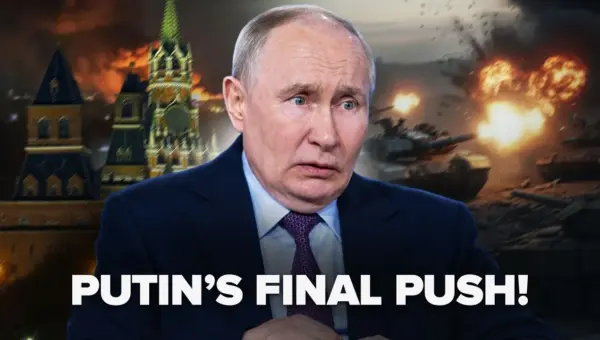
Russia’s Last Offensive? Ukraine Faces Crucial Test
Russia may be launching its final major offensive, facing significant manpower and financial challenges. Analysts warn of potential Russian provocations in the Baltic states and discuss Europe's energy independence amid rising prices. Ukraine faces a crucial test to halt the advance, while internal dissent grows within Russia.

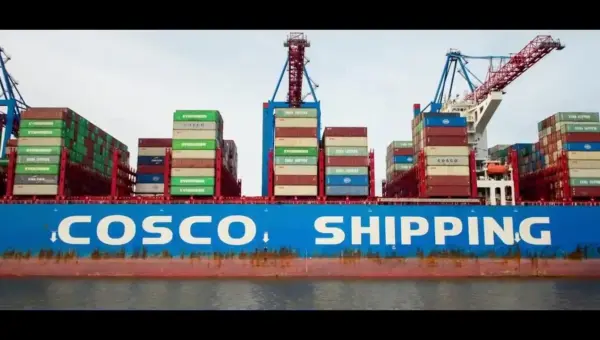
China Faces Tough Choice as Iran Demands Military Aid
China is facing a major foreign policy challenge as Iran demands military assistance. Beijing is reportedly disappointed with Iran's treatment of Chinese vessels in the Strait of Hormuz. China must balance its economic interests and global reputation.
Iran Under Fire: Massive Strikes Shake Regime
Iran is facing intense military action with Israeli and US forces striking numerous targets. These actions aim to disrupt Iran's nuclear program and military capabilities, while Iran retaliates with missile launches. The conflict is drawing in proxy groups, raising fears of a wider war.