Iran Under Fire: Massive Strikes Shake Regime
Iran is facing intense military action with Israeli and US forces striking numerous targets. These actions aim to disrupt Iran's nuclear program and military capabilities, while Iran retaliates with missile launches. The conflict is drawing in proxy groups, raising fears of a wider war.

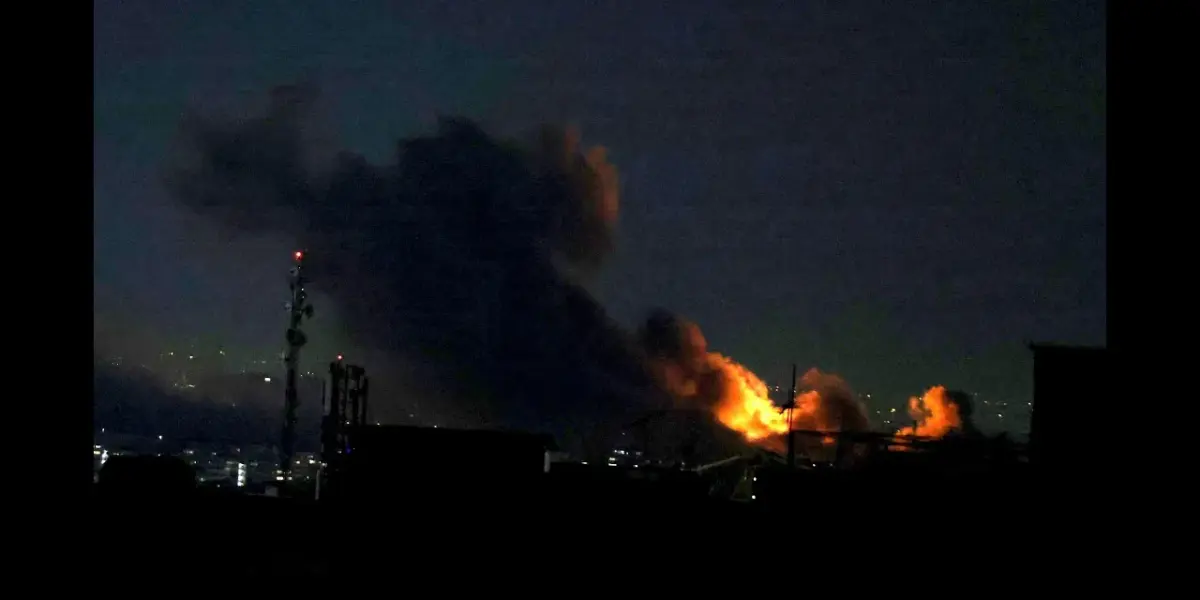
Iran Under Fire: Massive Strikes Shake Regime
Iran is facing intense military action, with both Israeli and US forces launching significant strikes against targets within the country. Over the past 24 hours, Israeli forces alone have hit more than 140 military sites in central and western Iran. This widespread action comes as Iran itself continues to launch missiles, creating a tense and volatile situation in the Middle East.
An Israeli general stated that these strikes hit Iran’s nuclear production capabilities very hard. The targets included factories that produce components for centrifuges, a key part of Iran’s nuclear program. This suggests a deliberate effort to disrupt Iran’s ability to develop nuclear weapons.
However, the conflict is far from one-sided. Iran has also been firing missiles, with one hitting a television station’s office building during a live broadcast. In another incident, black smoke was seen rising from a factory in southern Israel after a missile strike. Thankfully, no injuries were reported in that case, and nearby residents were evacuated as a safety measure.
US Involvement and Regional Tensions
The United States is also heavily involved, with reports indicating they have struck over 11,000 targets in Iran. This massive number highlights the scale of the ongoing conflict. Adding to the complexity, Iran has warned the US against any ground operations. This warning follows the arrival of about 3,500 US sailors and Marines in the region.
Despite Iran’s warning, US Secretary of State Marco Rubio has suggested that the US can achieve its goals without sending troops into combat. This indicates a strategic approach by the US to avoid a direct ground war. Meanwhile, Pakistan has announced it will host talks between the US and Iran soon, aiming to find a path toward ending the conflict.
Broader Conflict and Proxy Warfare
The conflict extends beyond direct strikes between Iran and its immediate adversaries. The Iran-backed Houthi group in Yemen has also joined the fight, launching missile and drone attacks against Israel. This shows how the conflict is drawing in various groups supported by Iran, turning it into a wider regional struggle.
Israeli troops are also active in other areas like Syria, the Gaza Strip, the West Bank, and Lebanon. Their operations are focused on combating Iran-backed terrorist groups, particularly Hezbollah in southern Lebanon. Israeli Prime Minister Benjamin Netanyahu has ordered the military to create an expanded security buffer zone in southern Lebanon, demonstrating a strategy to increase security along its northern border.
Why This Matters
The intense military activity in Iran and the surrounding region is a serious development with potentially far-reaching consequences. The direct strikes on Iran’s military and nuclear facilities, coupled with Iran’s retaliatory actions, raise the specter of a wider war. The involvement of proxy groups like the Houthis further complicates the situation, making de-escalation more challenging.
The US presence in the region, while aimed at deterrence, also carries risks. Any miscalculation could lead to a direct confrontation between major powers. The diplomatic efforts, such as the upcoming talks in Pakistan, offer a glimmer of hope for a peaceful resolution, but the current military actions suggest tensions are still extremely high.
Historical Context and Future Outlook
The current situation is rooted in long-standing geopolitical tensions in the Middle East. Iran’s nuclear program has been a major concern for many years, leading to international sanctions and diplomatic standoffs. The rise of Iran-backed groups like Hezbollah and the Houthis has also been a significant factor in regional instability.
The current strikes appear to be a significant escalation in the efforts to curb Iran’s military and nuclear ambitions. The future outlook remains uncertain. The success of diplomatic efforts will be crucial in preventing a wider conflict. However, the continued military engagements suggest that the path to peace will be a difficult one, with significant implications for global security and stability.
Source: Israel Strikes 140 Targets in Iran in 24 Hours (YouTube)

Related Articles

Iran Conflict Escalates: US Weighs Ground War, Diplomatic Off-Ramps Narrow
Concerns are mounting over potential U.S. ground operations in Iran, with lawmakers questioning the lack of Congressional approval and the risk of a protracted conflict. Iran claims it can still inflict pain despite strikes, while diplomatic options appear increasingly narrow.


Trump’s Mideast Gamble Fuels Global Oil Crisis
Escalating U.S.-Iran tensions have triggered a global oil crisis, sending prices soaring and forcing nations to ration fuel. Iran's oil revenue is up despite battlefield pressure, while storage limits loom for producers. This instability threatens widespread economic disruption and highlights the human cost of conflict.

US Strikes Iran’s Power Grid, Airport in Escalating Conflict
US and Israeli forces have launched significant strikes against Iran, targeting the nation's electrical grid and Marabad Airport. These attacks aim to cripple the regime's communication and operational capabilities, potentially paving the way for ground operations and reopening key shipping lanes.