America’s Drone Deficit: How a New Show is Racing to Close the Gap in Modern Warfare Preparedness
The United States faces a critical preparedness gap in modern drone warfare, a reality starkly highlighted by a recent NATO exercise where a small Ukrainian drone team devastated a larger conventional force. A new show, VET TV's "Battle Lab," is tackling this challenge by having former US special operators rapidly develop and test innovative drone tactics, from decentralized strike authority to integrated drone-infantry assaults, aiming to close the tactical gap and adapt to the evolving battlefield.

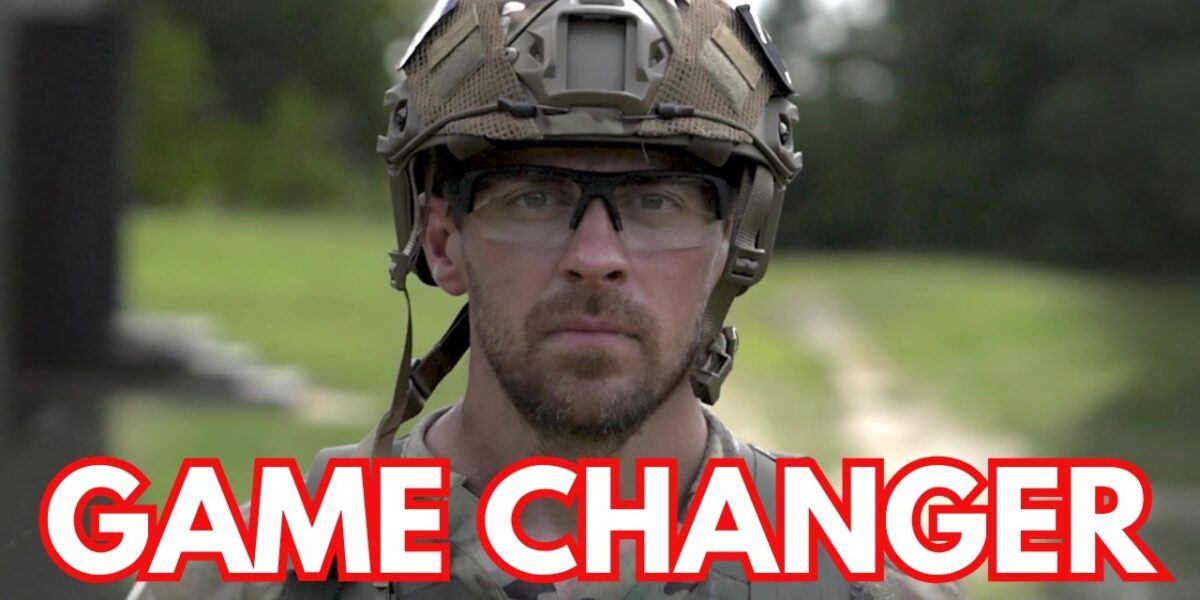
America’s Drone Deficit: How a New Show is Racing to Close the Gap in Modern Warfare Preparedness
The landscape of modern warfare has undergone a radical transformation, driven by the proliferation of inexpensive, yet devastatingly effective, drone technology. For the United States and its NATO allies, this shift presents a sobering reality: a significant preparedness gap that could prove catastrophic in future conflicts. While the challenge is immense, innovative initiatives are emerging from unexpected corners, including a new show from VET TV called “Battle Lab,” which is bringing together former US special operators to rapidly develop and test new drone tactics.
This urgent need for adaptation was starkly illuminated by a recent NATO exercise, “Hedgehog 2025,” where a small team of Ukrainian drone experts, acting as adversaries, inflicted simulated devastation upon a much larger, conventional NATO force. The message is clear: the era of traditional military dominance is being challenged, and the speed of tactical evolution is paramount for survival on the modern battlefield.
The Unfolding Reality: NATO’s “Horrible” Drone Encounter
Just last week, an article titled “NATO has seen the future and is unprepared” sent ripples through defense circles, detailing the alarming results of the “Hedgehog 2025” exercise. This large-scale drill involved over 16,000 troops from 12 NATO countries, who trained alongside Ukrainian drone specialists – some even borrowed directly from the front lines of the ongoing conflict.
The exercise simulated a contested and congested battlefield, featuring various types of drones. Crucially, a single team of approximately 10 Ukrainians, playing the role of the adversary, launched a counterattack against the NATO forces. The outcome was nothing short of a wake-up call: in about half a day, the Ukrainian drone team mock-destroyed 17 armored vehicles and conducted 30 strikes on other targets. An Estonian Defense League coordinator present at the event grimly summarized the results, stating, “The overall the results were horrible for NATO forces. The adversary forces were able to eliminate two full battalions in a day.” He further emphasized the profound disparity, noting that “NATO did not even get our drone teams. We are a long ways behind in a lot of different ways.” This sentiment, echoed by Westerners fighting in Ukraine and now by seasoned US special operators, underscores a critical vulnerability that demands immediate attention.
“Battle Lab”: A Crucible for New Tactics
In response to this pressing challenge, “Battle Lab” offers a unique approach to rapid tactical development. The show pits former US special operators against each other in realistic combat scenarios, forcing them to quickly learn and innovate with drone technology. The footage provides an unprecedented glimpse into how some of America’s most elite warriors grapple with and adapt to the realities of drone warfare.
The concept is simple yet profound: by creating a controlled environment where experienced operators can experiment without real-world consequences, “Battle Lab” aims to accelerate the discovery of effective drone tactics that can then be disseminated to the broader military force. This private-sector initiative, spearheaded by Ethan Nagel and Chris Naganuma – both of whom have direct experience documenting the conflict in Ukraine through their “Embed Actual” series – leverages military expertise outside traditional defense channels to foster rapid innovation.
Key Tactical Innovations and Learnings
The early episodes of “Battle Lab” have already yielded significant insights, demonstrating how operators are rethinking fundamental aspects of combat:
Decentralizing Strike Authority
One of the most critical shifts observed is the move towards empowering drone teams with greater autonomy. Traditional military doctrine often requires multiple layers of approval for a strike, a process that is simply too slow for the dynamic nature of drone warfare. As one of the operators, Phil, explained, he gave his drone teams “approval to just go ahead and strike” if they identified a threat. This contrasts sharply with treating drones like “close air support” requiring constant command approval.
This decentralization is vital because, as the operators quickly realized, “every approval of the chain of command slows it down.” In scenarios where infantry is taking fire, the ability of a drone team to immediately engage a target without waiting for battalion, brigade, or division-level clearance can be the difference between success and failure. This paradigm shift emphasizes adjusting operational processes to maximize the effectiveness of technology, rather than simply acquiring new hardware.
Novel Deployment and Ambush Techniques
Operators in “Battle Lab” quickly began to mirror tactics seen on the Ukrainian front lines. For instance, they experimented with landing strike drones on rooftops to surprise and ambush enemy forces. This tactic is particularly effective as adversaries often scan the skies for incoming drones, but rarely anticipate a drone launching from a nearby, seemingly innocuous position.
The concept of “parking drones forward” – landing them on roadsides or building tops to conserve battery power and remain undetected – emerged as another crucial tactic. This allows drones to maintain a longer presence in an area, waiting for an opportune moment to strike, catching an unsuspecting enemy off guard when a drone suddenly takes off from the ground.
Integrated Drone-Infantry Operations
The show also highlighted the evolving synergy between drones and ground forces. Early iterations saw drones used primarily for reconnaissance, but as the operators progressed, they began to integrate drones directly into offensive maneuvers. One notable innovation was “breaching with a drone,” where an FPV (First Person View) or strike drone would enter a building immediately after an entry team opened a door, detonating inside to clear a space or suppress defenders.
Furthermore, the concept of “massing drones on target” became central to later iterations. Instead of relying on direct fire engagements as the primary method of attack, operators learned to lead assaults with a barrage of drones, overwhelming defenders before infantry closed in. This dramatically altered the nature of engagements, shifting from traditional “violence of action” raids to drone-centric offensives where the constant buzzing and threat of strikes dominated the battlefield.
Adapting to a Drone-Saturated Environment
While the focus of the initial “Battle Lab” episodes was on offensive drone use, Team Alpha’s loadout included drone detectors and video interceptors, acknowledging the reality of a battlefield where both sides employ drones. This hints at the broader need for comprehensive counter-drone strategies, including electronic warfare, kinetic systems, and defensive tactics that exploit terrain for cover and concealment against aerial threats.
The Path Forward: Suggestions for “Battle Lab” and Beyond
The creators of “Battle Lab” are actively seeking feedback, and the initial iterations suggest several avenues for future development to enhance its value to the defense community:
- Incorporating Counter-Drone Capabilities: Future seasons could introduce a more robust counter-drone element, allowing operators to test defensive tactics, jamming technologies, and kinetic countermeasures against incoming threats.
- “Crawl, Walk, Run” Model: A structured progression could see the show evolve from its current “crawl” phase (basic offensive drone use) to a “walk” phase with larger teams, longer planning cycles, and the introduction of counter-drone elements. The “run” phase could involve company or platoon-sized forces, longer duration operations, and more expansive battlefields, simulating complex, multi-domain engagements.
- Emphasis on Planning and Rehearsal: While rapid iteration is key for TV, incorporating longer planning cycles and rehearsals would allow operators to develop more sophisticated, multi-layered drone strategies.
Ultimately, the goal is for initiatives like “Battle Lab” to serve as a vital bridge between the rapid advancements in drone technology and the often-slow pace of military doctrine and procurement. The call for the Pentagon, senior US military officials, and defense industry partners to engage with “Battle Lab” is a testament to its potential as a catalyst for change.
Conclusion: A Race Against Time
The stark lessons from Ukraine and exercises like “Hedgehog 2025” underscore an undeniable truth: the United States and its allies are not adequately prepared for the realities of modern drone warfare. The speed with which adversaries can deploy and innovate with drone technology demands an equally agile and proactive response from conventional forces.
“Battle Lab” represents a crucial step in this direction, leveraging the ingenuity of former special operators to rapidly develop and refine the tactics needed to thrive in a drone-saturated battlespace. By fostering innovation, challenging outdated doctrines, and empowering operators, such initiatives are not merely entertainment; they are a vital component in America’s urgent race to overcome its drone deficit and secure its advantage in the conflicts of tomorrow.
Source: Fixing America's Drone Problem (YouTube)

Related Articles
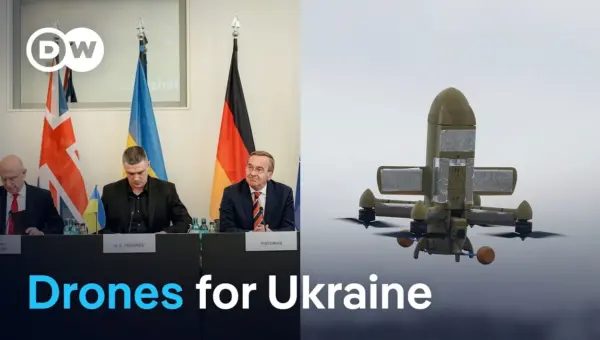
UK Pledges 120,000 Drones to Ukraine in Major Aid Package
Britain has pledged 120,000 drones to Ukraine, marking its largest aid package of its kind, during a meeting of the Ukraine Defense Contact Group in Berlin. The meeting highlighted both strong international solidarity and ongoing challenges in aid delivery, as Germany also boosts its own defense capabilities.


Russia’s War Costs Strain Putin’s Elite Bargain
Russia's prolonged war in Ukraine is straining President Putin's grip on power. Declining oil revenues and escalating military costs are forcing internal power shifts, with intelligence services reportedly gaining influence. This financial pressure is creating significant discontent among the elite and risking broader instability within the Kremlin.


Ukraine Strikes Russian Oil, Army Pushes Westward
Ukraine's spring offensive is underway, with Ukrainian forces making gains and forcing difficult choices for the Russian army. Meanwhile, Ukraine has intensified drone strikes on Russian oil infrastructure, aiming to cut off war funding. International interest in Ukraine's drone technology is growing, potentially reshaping global defense markets.