US Aims for Lunar Dominance in New Space Race
NASA's Artemis II mission is set to launch, marking a critical step in America's return to the Moon. This mission is part of a larger plan to establish a permanent lunar base, aiming to beat China to the surface and secure future space dominance. The program also serves as a stepping stone for Mars exploration, highlighting a new era of international competition and cooperation in space.

US Aims for Lunar Dominance in New Space Race
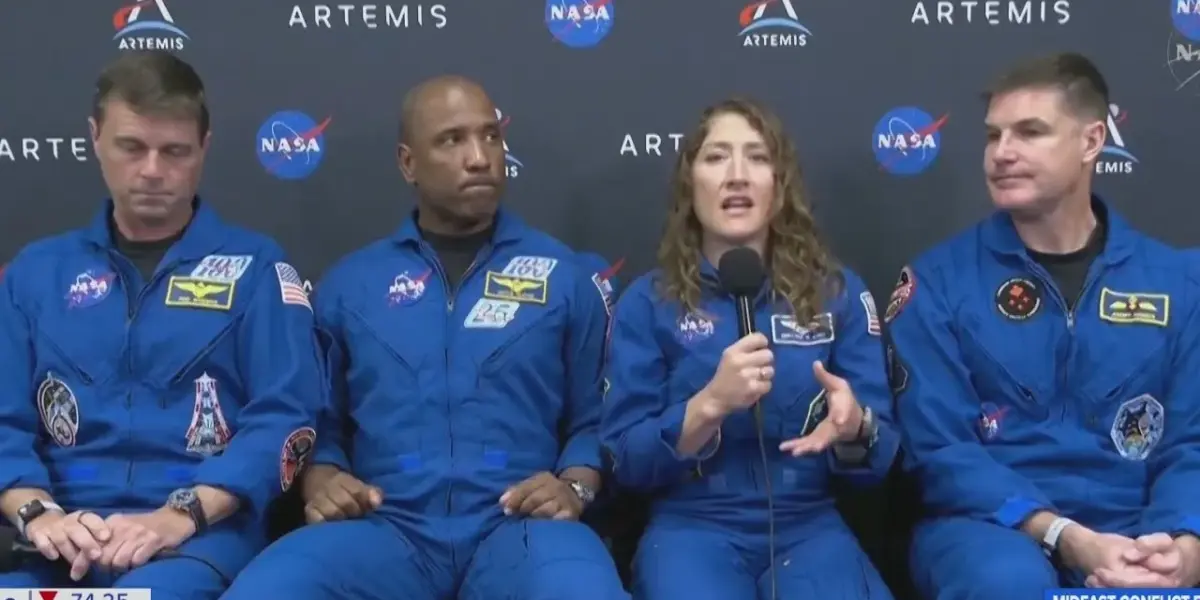
NASA’s Artemis II mission is set to launch soon, marking a significant step in America’s return to the Moon. The mission, carrying four astronauts, will orbit the Moon and test key systems for future lunar exploration. This flight is more than just a journey; it’s the first part of a larger plan to establish a permanent human presence on the lunar surface. The ultimate goal is to build a base near the Moon’s South Pole.
Artemis II: A Crucial Test Flight
The Artemis II mission will orbit the Moon’s far side and return to Earth, covering nearly half a million miles in about 10 days. Astronauts will not land on the Moon this time. Instead, they will use the Moon’s gravity to slingshot themselves back towards Earth. This maneuver tests the Orion spacecraft and the Space Launch System rocket, the most powerful rocket NASA has ever built. Officials say they are very close to achieving their goals and are ready to send astronauts on this important journey.
A Stepping Stone to Mars and Beyond
Beyond the Moon, NASA sees this program as a vital step towards exploring Mars. Astronauts believe answering big questions, like whether humans are alone in the universe, starts with understanding places like the Moon. The Moon can serve as a testing ground for technologies and strategies needed for longer missions, such as a trip to Mars. NASA plans to spend $20 billion over the next seven years to build a potential Moon base. They hope this base could be ready for American astronauts within the next decade.
The New Space Race Heats Up
This ambitious lunar program is happening in the context of a renewed space race. NASA aims to return Americans to the Moon before China does. Officials have stated that China plans to land astronauts on the Moon before 2030. The competition is intense, with success measured in months, not years. Recent history suggests that being late could mean missing out on key opportunities. The Artemis II launch depends on good weather and technical readiness.
Global Impact: Reshaping the World Order
The renewed focus on lunar exploration signifies a shift in global priorities and competition. While the United States is pushing ahead with Artemis, China’s parallel lunar ambitions highlight a growing geopolitical rivalry in space. Establishing a permanent presence on the Moon could offer strategic advantages, including resource control and scientific leadership. This competition could spur further innovation and investment in space technology worldwide. It also raises questions about international cooperation versus nationalistic pursuits in space exploration.
Historical Context: Echoes of the Past
The current space race echoes the Cold War era competition between the US and the Soviet Union. That competition, known as the Space Race, led to the Apollo program and the first Moon landing in 1969. Today, the main competitors are the US and China, reflecting a changing global power dynamic. Just as the Apollo program demonstrated American technological prowess, the Artemis program aims to reaffirm US leadership in space. The focus on a lunar base also brings to mind past international treaties governing space, though the current competition may test those agreements.
Economic Leverage and Future Scenarios
Space exploration is incredibly expensive, and the success of programs like Artemis relies on sustained government funding and private sector involvement. International partnerships can help share the costs and risks. However, competition can also drive down costs through innovation and create new economic opportunities, such as space tourism or resource extraction. Future scenarios could see a cooperative international lunar base, or separate US and Chinese bases, leading to potential friction or collaboration. The decisions made in the coming years will shape the future of humanity’s presence beyond Earth.
Source: Artemis II mission to moon: All systems nearly go | NewsNation Prime (YouTube)

Related Articles


Artemis II Crew Ready for Historic Moon Mission
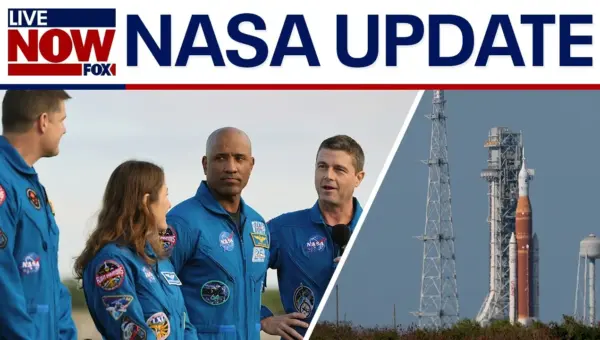
The Artemis II crew is ready for their historic lunar mission, emphasizing safety and a commitment to launching only when the vehicle and team confirm readiness. This flight aims to inspire humanity and foster international collaboration in space exploration.

Artemis II Lunar Mission Nears Launch: All Systems Go
NASA's Artemis II mission is poised for launch, with all systems confirmed ready for the historic crewed flight to the Moon. The crew, rocket, spacecraft, and ground teams are all reporting 'go' as favorable weather is forecast for Wednesday's launch attempt. This mission marks humanity's return to deep space exploration after more than 50 years.

NASA Launches Moon Base Push, Eyes Mars
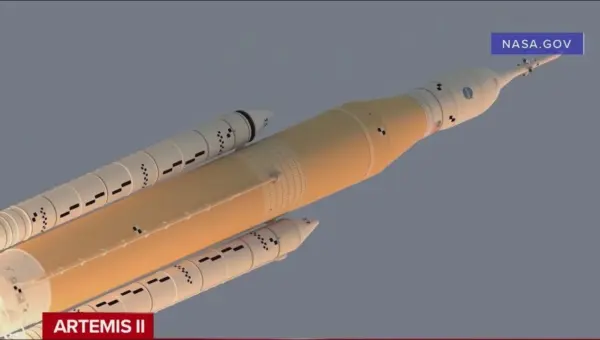
NASA's Artemis 2 mission is launching four astronauts on a 10-day lunar journey, marking a significant step towards building a Moon base by 2028. This mission aims to test technologies and gather data crucial for future human expeditions to Mars.