AI in Warfare: Reporter Warns of “Dawn of AI Warfare”
A reporter warns about the growing use of AI in warfare, highlighting concerns raised by a recent strike that killed over 175 people, including many children. The development of AI systems like "Project Maven" is changing how wars are fought, leading to complex questions about accountability and ethics.


AI in Warfare: Reporter Warns of “Dawn of AI Warfare”
New concerns are rising about how the U.S. government is using artificial intelligence, especially in deadly conflicts overseas. This technology is changing warfare at a speed that outpaces human thought. Experts worry that human decision-making is being pushed aside in favor of AI-driven attacks. These fears grew stronger recently when a U.S. strike in Iran hit a girls’ school, killing over 175 people, most of them children. This event has led to questions about the role AI played in identifying the school as a target.
The “Project Maven” Era Begins
The use of AI in war efforts can be traced back to 2017 with a U.S. project called “Project Maven.” The military had too much drone footage to review and wanted machines to help identify objects. The goal was to create a system that could find targets, provide their locations, and connect them to weapons for real-world combat. This system, now called the “Maven Smart System,” is built by Palantir and uses AI from companies like Amazon Web Services and Microsoft.
“The idea is that they can use AI to find and fix coordinates, and then execute weapons fire against them.”
Some people involved in developing this technology see the Maven Smart System as a weapon system itself. This development comes as many large tech companies have become powerful, almost like nations. The path forward for AI in warfare was a critical point. Google employees protested when they learned their work was part of Project Maven without their knowledge. They didn’t want to be involved in war-making.
Tech Giants’ Shifting Stance on Military AI
Google ultimately decided not to renew its contract and changed its policy to avoid working on AI for war. However, in the years since, this requirement has been dropped. Now, many tech companies and the military are working closely together. The government argues that this advanced technology is needed for national security and to defend America. Critics, however, worry that making war cheaper and faster with AI could make conflicts more likely.
Questions of Accountability in AI Warfare
A major concern is accountability when AI is involved in warfare. In any war, there are always claims of wrongdoing. Usually, people can identify who is responsible for illegal actions. But when AI systems are making targeting decisions, it becomes unclear where responsibility lies. Even with policies stating that commanders are always responsible for using lethal force, the role of technology in these decisions is becoming blurry.
This uncertainty was highlighted when a cadet at West Point asked, “We can’t send AI to the Hague, what is going to happen to us?” The U.S. government faces significant pressure to explain what happened in the strike on the girls’ school and to clarify the role of AI in such tragic events.
Personal Reflections on AI and Ethics
Katrina Mason, author of “Project Maven,” spoke with people who were part of the project. She found that even those who developed the technology grapple with its ethical implications. Colonel Drew Cukor, a former chief of Project Maven, and his wife discussed the technology at home extensively. While his wife dislikes war, she believes it must be conducted ethically. Colonel Cukor himself does not regret his work, believing it’s meant to protect civilians and American lives.
“Are we responsible enough to look after all this as tech, as America, as the nation of innovation?”
His key question remains: Is humanity ready to responsibly handle such powerful technology? As AI continues to advance, the ethical and accountability questions surrounding its use in warfare will only become more urgent.
Source: A reporter’s WARNING about the rise of A.I. in warfare (YouTube)

Related Articles


Vance’s Nuclear Vest Claim Stuns, Raises Alarms
Vice President J.D. Vance's suggestion of an Iranian "nuclear vest" has drawn criticism for its scientific implausibility and vague language. The claim raises concerns about official communication and national security strategy.

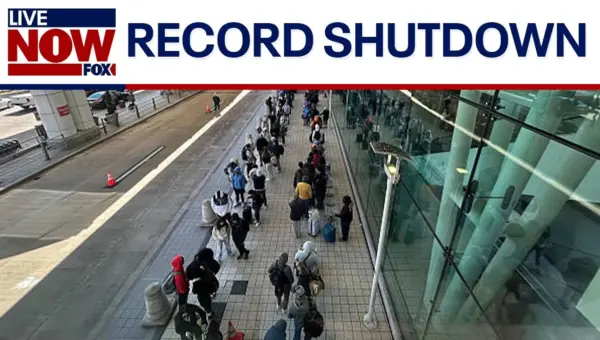
DHS Shutdown Sparks Security Fears as Congress Recesses
The partial government shutdown has led to severe disruptions at the Department of Homeland Security, with TSA employees facing weeks without pay and soaring call-out rates. Experts warn of long-term impacts on national security, morale, and recruitment as lawmakers remain on recess.


CIA’s Top Spy Joins GM, Fuels UAP Program Ties
Former CIA UAP analyst Dr. Kit Green's move to General Motors raises questions about potential government program ties. Green led the CIA's "weird desk" analyzing anomalous aerospace reports before joining GM in senior technology roles. This connection, alongside Hughes Corporation's covert history, suggests a deeper engagement with UAP.