Government Shutdown Hits Record; ICE Agents Deployed at BWI Airport
The US government shutdown has become the longest in history, now spanning 44 days. ICE agents have been deployed to BWI Airport amid rising TSA call-out rates due to lack of pay. Lawmakers remain at an impasse, with no clear end in sight.

Shutdown Enters Record-Breaking Territory
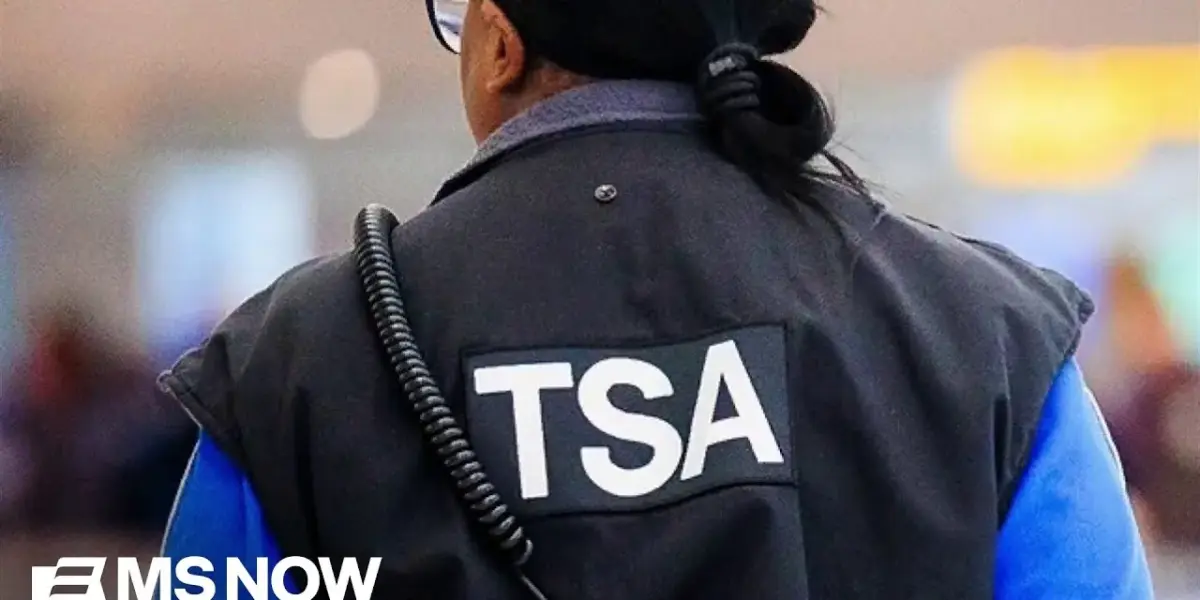
The U.S. government shutdown has officially become the longest in history, now entering its 44th day. This partial shutdown has led to significant disruptions, including the deployment of Immigration and Customs Enforcement (ICE) agents to Baltimore Washington International Airport (BWI) in Maryland. The ongoing impasse in Washington has left federal employees, particularly Transportation Security Administration (TSA) officers, without pay, causing widespread frustration and impacting airport operations nationwide.
ICE Agents at BWI: A Visible Sign of Disruption
At BWI Airport, the effects of the shutdown are plainly visible. While the exact duties of the dispatched ICE agents remain unclear, reporter Maya Eaglin observed them walking through the terminal and one agent near the front of the TSA line, asking passengers to have their IDs ready. This move, however, is seen by some as overstepping the agents’ typical roles. Maryland Governor Wes Moore sharply criticized the situation, stating, “Americans are sick and tired of Washington’s dysfunction. The federal government needs to get its act together, pay TSA officers and stop asking ICE agents to do work far outside of their scope.”
TSA Woes and Rising Call-Out Rates
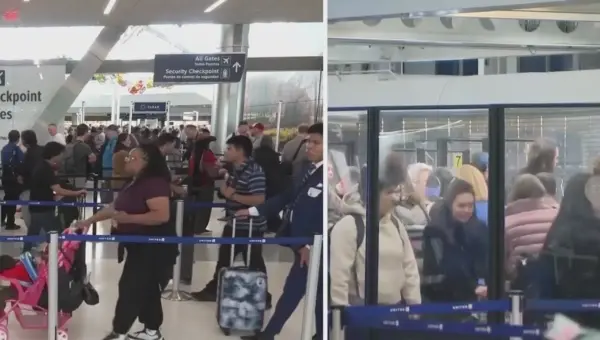
The lack of pay has directly impacted TSA staffing. Across the country, TSA officers have been calling out of work at higher rates. On March 26th, the national call-out rate reached 11.83%. Major airports saw even higher numbers: JFK reported a 33.6% call-out rate, BWI at 37%, Atlanta at 40%, and Houston at 44%. These absences contribute to longer lines and increased wait times for travelers, as seen at BWI throughout the day.
“I feel like there are frontline workers and they are the ones who need to be paid first before anyone else. I think it’s completely inappropriate. We need to figure out how to manage our government to where at least federal employees are paid if they’re working.”
Congressional Impasse Continues
Meanwhile, lawmakers appear no closer to a resolution. Congress has entered a two-week recess, and negotiations have stalled. A plan in the Senate to fund the Department of Homeland Security (DHS), excluding some parts of ICE and Border Patrol, was initially agreed upon but later rejected by House Republicans. House Republicans then put forward their own bill, which Senate Democrats have repeatedly rejected, citing a lack of reforms and policy changes they deem necessary, particularly concerning ICE tactics.
The political back-and-forth is evident. Republicans argue that Democrats are refusing to fund DHS, while Democrats contend that Republicans are making unreasonable demands. Capitol Hill reporter Kevin Fry noted, “There’s zero chance of that clearing that chamber because Democrats have rejected it before because there’s no funding for, or excuse me, there are no reforms to I think of removing the masks, a desire to see judicial warrants.” He added that despite public statements, House Republicans privately objected to a bill put forward by Speaker Johnson, fearing blame for the shutdown.
President Trump’s Role and Administration Response
President Trump has stated he will take steps to ensure TSA workers are paid, reportedly by diverting funds. While the legality of this move is being questioned, the administration has indicated that paychecks for TSA workers could arrive as soon as the next day. White House reporter Jake Trailer noted that President Trump is blaming Democrats for the shutdown. This action by the President has complicated negotiations, with some suggesting it removes the immediate pressure for Congress to reach a deal.
Broader Implications and Future Outlook
The shutdown highlights deep divisions and a lack of compromise in Washington. Federal employees caught in the middle feel like “political pawns,” as one TSA worker with 23 years of service expressed. The uncertainty surrounding pay and the use of agencies like ICE in roles outside their normal scope raise serious questions about government functioning and priorities. With Congress on recess and no clear path forward, the shutdown is expected to continue, potentially for another two weeks, setting new records for governmental inactivity.
The focus now shifts to whether any significant shifts in negotiation strategies will occur during the recess or if the prolonged shutdown will force a breakthrough. Travelers at airports like BWI will likely continue to face disruptions, and federal workers will remain in limbo until a resolution is reached.
Source: ICE deployed to BWI in Maryland as partial shutdown becomes longest in U.S. history (YouTube)

Related Articles

Trump Orders Back Pay for TSA, Easing Airport Woes
President Trump has issued an executive order to provide back pay to TSA workers affected by the government shutdown. This aims to ease long airport lines and financial hardship for employees who have gone over a month without pay. ICE officers have been deployed to assist, with mixed results, while calls for political compromise grow louder.


US Border Crisis Stalls, Iran Tensions Flare Amidst Stalemate
U.S. lawmakers are on recess, leaving TSA workers unpaid amidst a DHS funding stalemate. Simultaneously, tensions with Iran are rising, with reports of potential U.S. ground operations clashing with diplomatic talks.


Trump’s Iran Deportation Deal: Cruelty at Its Core
Reports reveal the Trump administration worked with Iran to deport asylum seekers, raising alarms about human rights and the integrity of asylum processes. This alleged deal prioritized strict immigration enforcement over the safety of individuals fleeing persecution.