Iran Conflict Sparks Global Oil Shockwaves
Global oil markets are in turmoil as the conflict in Iran disrupts vital shipping lanes. Countries are implementing emergency measures and energy-saving campaigns due to the severe reduction in oil supply. This crisis highlights the world's dependence on oil and the potential for energy to be used as a geopolitical weapon.


Iran Conflict Sparks Global Oil Shockwaves
Global oil markets are in deep trouble right now. The situation is so bad that countries are taking drastic steps. The Philippines has declared a national energy emergency. Sri Lanka is giving public officials a weekly holiday just to save energy. Even South Korea, a close U.S. ally, has started a big energy-saving campaign. They even released a huge amount of oil from their strategic reserves – 22 million barrels.
The main reason for this chaos is the conflict involving Iran. The Strait of Hormuz, a vital waterway for oil shipments, is now mostly blocked. Traffic through it has dropped by a shocking 97%. This cut-off means most oil and gas from the Persian Gulf can’t reach global markets by tanker. This is a much bigger problem than any past oil crisis.
The Unintended Consequences of War
It might seem strange, but Iran is actually making more money from oil sales each day. This is happening even though bombs have been falling since February 28th. The International Energy Agency (IEA) reports that Iran is now earning almost twice as much from oil daily as it did before the conflict. This suggests that while Iran might be losing on the battlefield, its regime is finding ways to win the economic war.
Iran seems to be using this situation to wage a different kind of war against the United States. Instead of direct fighting, they are using the global oil market as a weapon. By disrupting supply, they are choking off oil to the rest of the world. This tactic, known as asymmetric warfare, uses a nation’s strengths to target an enemy’s weaknesses, often in unexpected ways.
Historical Echoes of Oil Crises
This current oil crisis brings to mind past events that shook the world. The oil shocks of the 1970s, for example, were caused by political events in the Middle East. In 1973, Arab oil-producing nations cut off supply to countries supporting Israel in the Yom Kippur War. This led to soaring prices, long gas lines, and a major economic downturn in many Western nations.
Later, the Iranian Revolution in 1979 also disrupted oil supplies and caused another spike in prices. These historical events show how deeply the global economy depends on a steady flow of oil. They also demonstrate how political conflicts in oil-rich regions can quickly have worldwide effects. The current situation echoes these past crises, highlighting the fragility of our energy systems.
Why This Matters
The disruption of oil supplies affects everyone. Higher oil prices mean higher costs for transportation, manufacturing, and everyday goods. This can lead to inflation, making it harder for families to afford necessities. It also impacts global trade, as shipping becomes more expensive.
For countries heavily reliant on oil imports, like the Philippines and Sri Lanka, this crisis can be devastating. It can lead to energy shortages, economic instability, and social unrest. The actions taken by nations like South Korea show the urgent need for energy security and diversification.
Trends and Future Outlook
This event highlights a growing trend: the use of energy as a geopolitical tool. Nations are increasingly aware of how controlling or disrupting energy supplies can give them power on the world stage. This conflict could push more countries to accelerate their transition to renewable energy sources.
The reliance on fossil fuels makes the global economy vulnerable to these kinds of shocks. As the world tries to move towards cleaner energy, this crisis serves as a stark reminder of the challenges. It also emphasizes the need for international cooperation to ensure stable energy markets and prevent future disruptions. The long-term outlook depends on how nations manage this immediate crisis and their commitment to energy independence and sustainability.
Source: Trump’s Iran War Is Triggering a Global Oil Crisis #politics #fyp #new (YouTube)

Related Articles

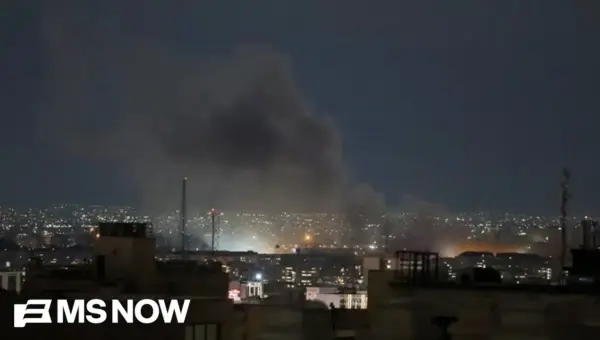
Trump Sees Iran Deal as War’s Root; US Boosts Mideast Troops
Amid rising tensions, former President Trump suggested Iran seeks a deal while the U.S. has significantly boosted its military presence in the Middle East. Experts believe Iran views the conflict as a long-standing war, with recent events prompting a strategic reassessment by both nations.

Iran Conflict Escalates: US Weighs Ground War, Diplomatic Off-Ramps Narrow
Concerns are mounting over potential U.S. ground operations in Iran, with lawmakers questioning the lack of Congressional approval and the risk of a protracted conflict. Iran claims it can still inflict pain despite strikes, while diplomatic options appear increasingly narrow.


US Border Crisis Stalls, Iran Tensions Flare Amidst Stalemate
U.S. lawmakers are on recess, leaving TSA workers unpaid amidst a DHS funding stalemate. Simultaneously, tensions with Iran are rising, with reports of potential U.S. ground operations clashing with diplomatic talks.