Millions Protest Trump, CPAC Shows GOP Divisions
Millions protested Donald Trump nationwide with "No Kings" rallies, citing war, deportations, and constitutional fears. Meanwhile, CPAC revealed deep divisions within the Republican party, with Donald Trump absent for the first time since 2016. Concerns over foreign policy and domestic economic struggles emerged as key issues, potentially shifting political momentum.

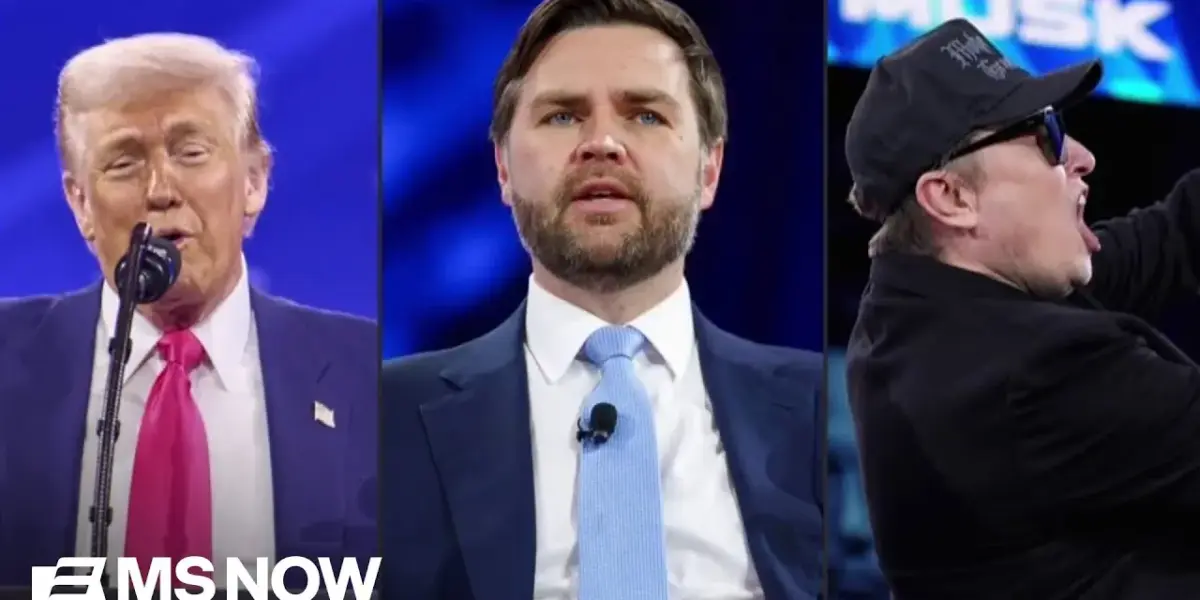
Nation Divided: ‘No Kings’ Protest Draws Millions Amidst GOP Disagreement
A stark contrast emerged this past weekend, highlighting deep divisions in American sentiment, particularly concerning Donald Trump. Millions of Americans took to the streets nationwide for the third major protest against Trump and his potential second term, under the banner “No Kings in America.” Organizers reported at least 8 million participants voicing outrage over the war with Iran, mass deportations, and fears of a constitutional crisis. This widespread dissent comes as Trump’s approval ratings hit a record low of 36%, according to a recent Reuters poll.
Meanwhile, in Texas, the Conservative Political Action Conference (CPAC) gathered, showcasing a movement grappling with internal disagreements. Notably, this was the first CPAC Donald Trump has missed since 2016. Vice President J.D. Vance and others were absent, with attendees hearing messages like, “We’re just going to outbreed the left.” One speaker described Trump as an “empath” rather than a narcissist, a sentiment that seemed to diverge from common perceptions.
Momentum Shift and Trump’s Worries
Charles Blow, author and commentator, observed that the momentum appears to be shifting towards the Democratic side. He noted that this aligns with historical patterns where the party holding the White House and Congress often faces challenges in midterm elections. However, Blow believes Trump’s actions, like intervening in midterm elections, signal his concern about potential rebuke or impeachment. “He doesn’t want to be impeached again,” Blow stated, suggesting this fear motivates his involvement.
Blow also pointed to economic dissatisfaction among Trump voters. “A lot of people who voted for him, they thought they were going to bring down the price of eggs or whatever the case may be,” he said. The current economic struggles and renewed military actions, including bombing seven countries in one year, are not what these voters expected, according to Blow.
War Concerns Unite Both Sides
Interestingly, skepticism about the war in Iran emerged as a rare point of agreement between protesters and some CPAC attendees. “This isn’t you know, what I voted for, what I voted for was domestic policy change at home and realistic foreign policy,” one participant expressed, even calling Trump a “traitor” for his foreign policy conduct.
Sarah Ellison, a former Washington Post reporter, noted a growing anti-war sentiment among younger Republicans. She also highlighted a generational divide within the GOP, separating traditional MAGA supporters from a shrinking, more conservative faction. On the Democratic side, Ellison explained, there’s a perception that the war benefits Israel, leading to a generational shift against such expansive foreign policy.
Grassroots Energy and Democratic Leaders’ Absence
A surprising observation from the weekend was the apparent absence of prominent Democratic frontrunners from the massive “No Kings” protests. While Pete Buttigieg made an appearance, figures like Gavin Newsom and Gretchen Whitmer were not visibly present. Blow suggested that the “No Kings” movement is largely grassroots and represents a specific segment of the Democratic Party, not the entirety.
He described the typical attendee as someone who remembers fears of fascism and totalitarianism, now seeing those threats emerge domestically. Blow also noted other movements within the Hispanic and Muslim communities, some of whom expressed deep disappointment with current Democratic leadership and felt betrayed by policy outcomes. Black voters, he added, also feel a sense of betrayal, questioning past voting decisions and now focusing their energy on tangible actions like voting in upcoming elections.
Diversity and Economic Realities at Protests
Ellison’s impression of the protests was one of increasing diversity, particularly among younger people and immigrants. She witnessed immigrants speaking at press conferences about their experiences in the U.S. and their concerns about foreign policy spending. Healthcare workers, especially Black immigrants, shared stories of patients struggling with affordability, delayed appointments due to lapsed Obamacare subsidies, and rising rents.
These individuals are witnessing firsthand the economic hardships at home while hearing about billions of dollars being spent on a war that hasn’t been fully explained. This juxtaposition of domestic struggles and foreign military expenditure struck Ellison as a significant point of connection for many attendees.
The Future of the GOP and Key Election Battlegrounds
Looking ahead, the Republican Party faces significant questions about its future, especially if the upcoming midterms bring a “blue wave.” The potential decline of the MAGA movement and Trump’s standing as a “lame-duck” president for two years raise concerns about party leadership. J.D. Vance, in particular, faces a difficult path, needing to balance his non-interventionist stance with his role as Vice President under a president now championing foreign interventions.
Blow emphasized the importance of focusing on swing states like Georgia, rather than reliably blue states like New York. He noted that while the “No Kings” march in Atlanta, a majority-Black city, didn’t see massive turnout, Black citizens are actively engaged and prioritizing voting. This sentiment, combined with other dissatisfied groups, suggests a potential advantage for Democrats in the upcoming elections, provided elections remain free and fair.
Source: SPLIT SCREEN: The contrast between the massive “No Kings” turnout and CPAC (YouTube)

Related Articles
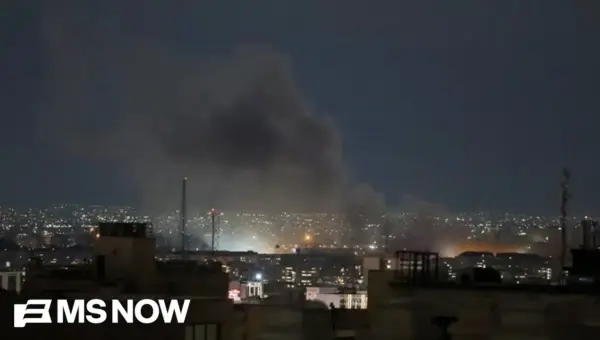
Trump Sees Iran Deal as War’s Root; US Boosts Mideast Troops
Amid rising tensions, former President Trump suggested Iran seeks a deal while the U.S. has significantly boosted its military presence in the Middle East. Experts believe Iran views the conflict as a long-standing war, with recent events prompting a strategic reassessment by both nations.

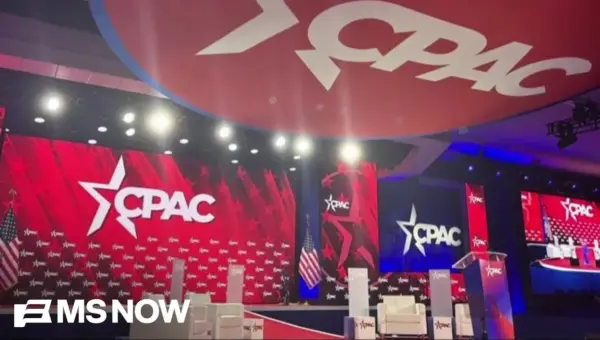
CPAC’s Power Wanes as Comedian Captures Conservative Conference “Funeral”
The Conservative Political Action Conference (CPAC) is showing signs of diminished influence, with fewer high-profile attendees and lower engagement at its recent gathering. Comedian Jason Selvig observed the event, describing it as a "funeral" for CPAC and noting a shift towards more concerning, nationalistic rhetoric among some attendees.

Trump’s Mideast Gamble Fuels Global Oil Crisis
Escalating U.S.-Iran tensions have triggered a global oil crisis, sending prices soaring and forcing nations to ration fuel. Iran's oil revenue is up despite battlefield pressure, while storage limits loom for producers. This instability threatens widespread economic disruption and highlights the human cost of conflict.