Trump Orders Back Pay for TSA, Easing Airport Woes
President Trump has issued an executive order to provide back pay to TSA workers affected by the government shutdown. This aims to ease long airport lines and financial hardship for employees who have gone over a month without pay. ICE officers have been deployed to assist, with mixed results, while calls for political compromise grow louder.

Trump Orders Back Pay for TSA, Easing Airport Woes
President Trump has signed an executive order to pay Transportation Security Administration (TSA) workers who have gone without pay for over a month. This order aims to address the growing problems at airports caused by the government shutdown. The Department of Homeland Security announced that missed paychecks could be issued as soon as Monday. This move comes as TSA workers, along with many other federal employees, have been struggling financially due to the shutdown. Some have been forced to take on extra jobs to make ends meet.
Airport Chaos and Worker Struggles
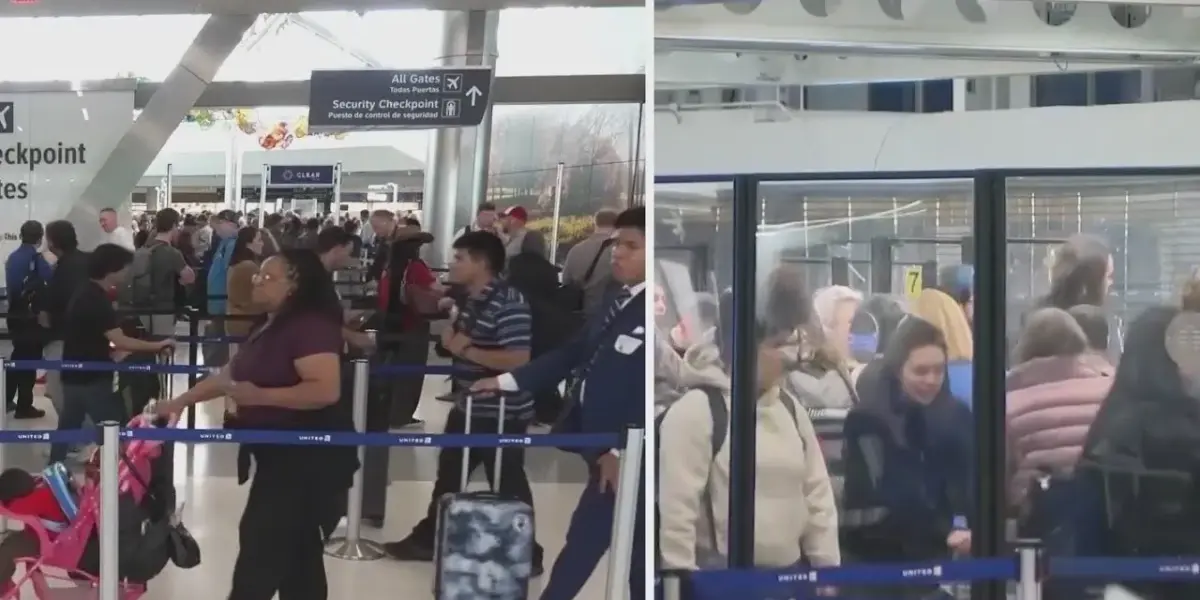
Scenes of long, winding security lines have become common at airports across the country. The TSA, which is part of the Department of Homeland Security, has faced significant staffing shortages. Hundreds of TSA workers have quit, and thousands more have reportedly called in sick. This is largely because they have not received their paychecks for weeks. The lack of pay has put a heavy burden on these essential workers and their families, affecting their ability to pay rent and cover basic living expenses.
ICE Deployment and Mixed Results
In an effort to help manage the situation, Immigration and Customs Enforcement (ICE) officers were deployed to several U.S. airports. Their mission was to assist where TSA staff shortages were most severe, aiming to speed up security lines. President Trump had previously stated that ICE would remain at airports for as long as necessary. While these deployments have helped in some areas, their effectiveness in fully resolving the long lines is still being debated. However, there have been positive outcomes, such as an ICE officer saving a baby’s life at JFK Airport by performing the Heimlich maneuver. The Homeland Security Secretary highlighted this event as an example of how ICE and TSA work together to keep travelers safe.
Calls for Compromise
Union leaders have expressed their frustration with the ongoing political arguments and the government shutdown. They are urging lawmakers to reach a compromise so that federal workers can receive their paychecks. The current situation is seen as unsustainable, with essential government employees bearing the brunt of the political deadlock. Many hope that the President’s executive order will bring some relief and help restore normal operations at airports.
Global Impact
While this specific order addresses a domestic issue, it highlights the broader impact of government shutdowns on critical infrastructure and public services. The reliance on essential workers, like TSA agents, underscores their importance in maintaining national security and facilitating daily life. The financial strain on these workers can have ripple effects, impacting morale and potentially leading to long-term staffing challenges if not resolved effectively. The situation also draws attention to the interconnectedness of government functions and the economy, especially in sectors like travel and transportation.
Historical Context
Government shutdowns are not new in U.S. history. They occur when Congress cannot agree on funding legislation. These shutdowns can affect various government agencies and services, leading to disruptions and financial hardship for federal employees. The current shutdown is one of the longest on record, highlighting the persistent challenges in bipartisan cooperation. The deployment of ICE officers to assist TSA is an extraordinary measure, reflecting the severity of the staffing crisis.
Economic Leverage
The lack of pay for TSA workers is a direct consequence of the government shutdown, which stems from budget disagreements. This situation demonstrates how political decisions can have immediate economic impacts on individuals and critical sectors. The ability of the President to issue executive orders provides a tool to address urgent issues, but the underlying funding disputes remain a source of economic uncertainty.
Future Scenarios
With the executive order for back pay, it is likely that TSA staffing will improve, leading to shorter lines at airports. However, the long-term resolution of the government shutdown will determine the future stability of these workers’ pay. If the shutdown continues, similar issues could arise again. The effectiveness of ICE’s temporary assistance will also be monitored, as will the possibility of other agencies being called upon during future crises. The need for a lasting compromise between political parties remains crucial to prevent such disruptions.
Source: TSA workers to be paid as early as Monday after Trump's executive order | NewsNation Prime (YouTube)

Related Articles


US Border Crisis Stalls, Iran Tensions Flare Amidst Stalemate
U.S. lawmakers are on recess, leaving TSA workers unpaid amidst a DHS funding stalemate. Simultaneously, tensions with Iran are rising, with reports of potential U.S. ground operations clashing with diplomatic talks.


US Consumers Face Historic Financial Misery: Expert Warns
American consumer sentiment has fallen to near historic lows, driven by soaring gas prices and lingering supply chain woes. Professor Justin Wolfer warns that the current economic mood is one of the worst in post-war U.S. history. Compounding these issues are disruptions caused by the longest-ever government shutdown, impacting sectors like air travel.

Trump Weaponizes Pain for Voter Suppression, Critics Claim
A heated exchange reveals accusations that Donald Trump intentionally prolonged a government shutdown to weaponize public pain. Critics claim this strategy aimed to force the passage of a voter suppression bill, rejecting multiple Democratic proposals to fund the TSA. The debate also touched on historical funding decisions for agencies like ICE.