Drone Delays President Trump; Iran Issues US Warning
A drone sighting caused a delay for Air Force One carrying President Trump, while Iran issued a warning to the US regarding ground operations. Meanwhile, NASA's Artemis II mission to the moon is nearing its launch.

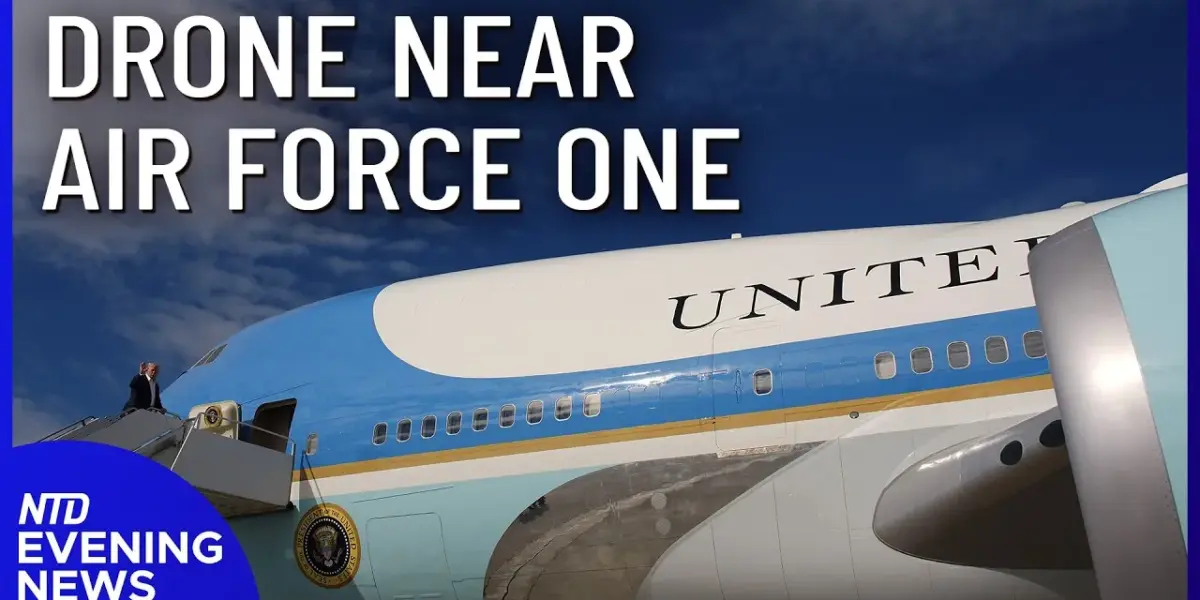
Drone Incident Halts Air Force One Departure
An unusual event at Palm Beach International Airport caused a significant delay for President Donald Trump. A drone was spotted near the airfield, forcing an immediate halt to operations. Air Force One, the presidential aircraft, was preparing for takeoff with the President onboard when the drone sighting occurred.
The Federal Aviation Administration (FAA) and airport officials quickly responded to the situation. Safety protocols were enacted to ensure the airspace was clear and secure. The presence of unauthorized drones near airports is a serious concern, posing a risk to aviation safety. This incident highlights the growing challenges posed by drone technology in public spaces.
Iran Warns US Against Ground Operations
Tensions in the Middle East have escalated as Iran issued a stern warning to the United States. The Iranian government stated that any possible ground operations within Iran would be met with a strong response. This warning comes shortly after the US announced the deployment of approximately 3,500 sailors and Marines to the region. The arrival of these forces on Friday has clearly heightened concerns for Tehran.
The deployment suggests a readiness for potential military action, though specific intentions remain undisclosed by the US. Iran’s warning signals a firm stance against any direct US military intervention on its soil. This exchange underscores the delicate and volatile nature of the geopolitical situation in the Middle East, where missteps could have far-reaching consequences.
Artemis II Mission Nears Launch
In more positive news, NASA is inching closer to its ambitious goal of returning humans to the moon. The Artemis II mission is on the horizon, marking a significant step in America’s space exploration efforts. This mission will carry astronauts on a journey around the moon, testing crucial systems before a lunar landing attempt.
The Artemis program aims to establish a long-term human presence on the moon and eventually pave the way for missions to Mars. The upcoming launch represents years of planning, engineering, and international cooperation. It signifies a renewed commitment to space exploration and scientific discovery.
Why This Matters
These events, though disparate, touch upon critical aspects of national security, international relations, and technological advancement. The drone incident at Palm Beach International Airport is a stark reminder of how new technologies can create unforeseen security challenges. As drones become more accessible, managing their use around sensitive locations like airports becomes increasingly important for public safety.
Iran’s warning to the US reflects the ongoing complexities of international diplomacy and the potential for conflict. The strategic positioning of military forces and the vocalization of threats are indicators of a high-stakes geopolitical environment. Understanding these dynamics is crucial for grasping the broader picture of global stability and the delicate balance of power.
The Artemis II mission, on the other hand, speaks to human ingenuity and our persistent drive to explore the unknown. It represents a forward-looking endeavor that can inspire future generations and drive technological innovation. The contrast between these news items—a security disruption, a geopolitical warning, and a scientific milestone—illustrates the multifaceted nature of current events.
Implications and Future Outlook
The drone incident at Palm Beach International Airport suggests that aviation authorities and security agencies will need to develop more sophisticated methods for detecting and neutralizing unauthorized drones. This could lead to increased investment in anti-drone technology and stricter regulations for drone operators.
The ongoing tensions between the US and Iran mean that diplomatic channels will remain critical, alongside military posturing. Any miscalculation could lead to unintended escalation, impacting global energy markets and regional stability. The world will be watching closely to see how both nations navigate this sensitive period.
Meanwhile, the success of the Artemis II mission could reignite public interest in space exploration and lead to further funding for ambitious space projects. It could also spur competition and collaboration among international space agencies and private companies, shaping the future of space travel and resource utilization.
Historical Context
The deployment of military forces in the Middle East is a recurring theme in recent history, often tied to regional stability and energy security. The US has a long history of involvement in the region, marked by periods of heightened tension and diplomatic engagement.
The development of drone technology has rapidly evolved over the past two decades. Initially used for military reconnaissance, drones are now widely available for civilian use, leading to both opportunities and challenges in managing their proliferation and misuse.
Returning to the moon has been a long-held aspiration since the Apollo missions concluded in the 1970s. The Artemis program represents a new chapter in lunar exploration, building upon the legacy of past achievements while aiming for sustained human presence beyond Earth.
Source: NTD Evening News Full Broadcast (March 29) (YouTube)

Related Articles

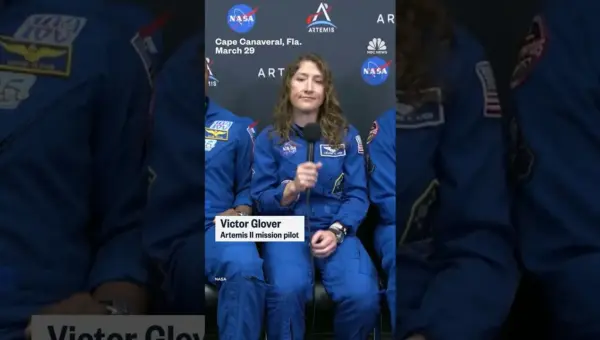
Artemis II Crew Ready for Historic Moon Mission
The Artemis II crew is ready for their historic lunar mission, emphasizing safety and a commitment to launching only when the vehicle and team confirm readiness. This flight aims to inspire humanity and foster international collaboration in space exploration.


US Readies Ground Raids on Iran Amid Tensions
The Pentagon is reportedly preparing for possible ground raids in Iran, not a full-scale invasion, according to The Washington Post. These operations could focus on key areas like the Strait of Hormuz. It remains unclear if President Trump has approved these plans, though the White House states he has options.
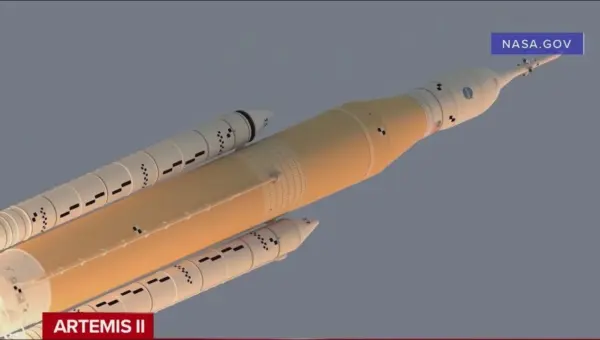
NASA Launches Moon Base Push, Eyes Mars
NASA's Artemis 2 mission is launching four astronauts on a 10-day lunar journey, marking a significant step towards building a Moon base by 2028. This mission aims to test technologies and gather data crucial for future human expeditions to Mars.