US Strikes Iran’s Power Grid, Airport in Escalating Conflict
US and Israeli forces have launched significant strikes against Iran, targeting the nation's electrical grid and Marabad Airport. These attacks aim to cripple the regime's communication and operational capabilities, potentially paving the way for ground operations and reopening key shipping lanes.

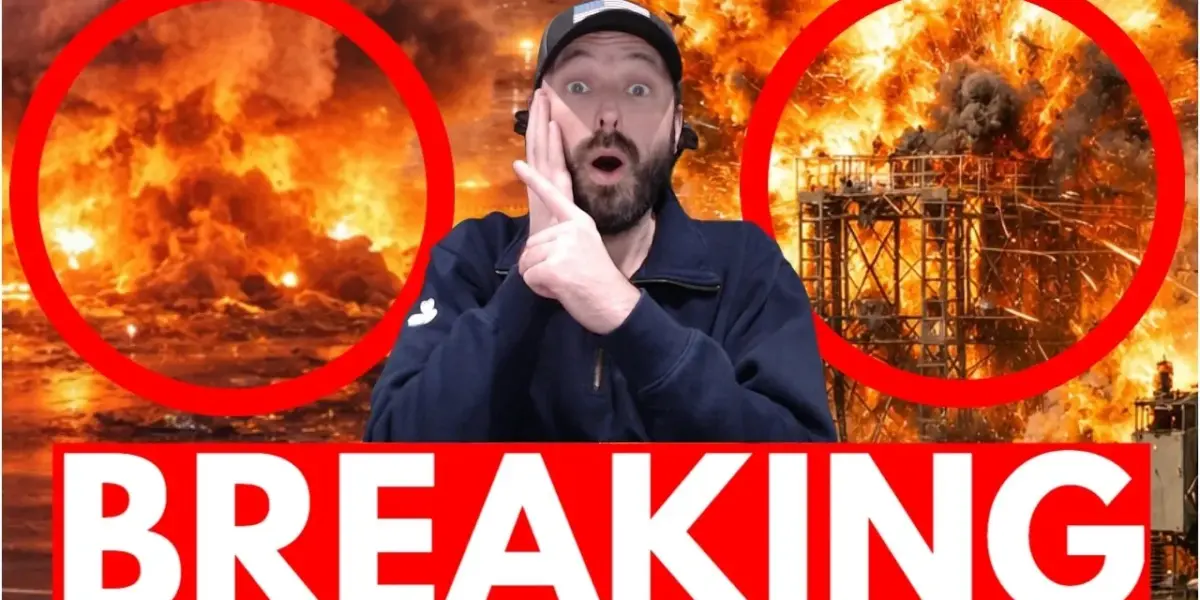
US Strikes Iran’s Power Grid, Airport in Escalating Conflict
On the night of March 29th, reports emerged of significant strikes targeting Iran’s infrastructure, causing widespread blackouts in parts of the country. These attacks, attributed to US and Israeli forces, appear to be a strategic move to cripple the Iranian regime’s ability to operate and communicate.
Targeting the Electrical Grid
Iranian officials confirmed that attacks on electrical industry facilities in Tehran and surrounding provinces led to power outages. While official statements are often viewed with skepticism, visual evidence in the form of videos and photos showed cities plunged into darkness. Areas like Karaj and Tehran itself were described as being “pitch black” following the strikes.
The rationale behind targeting the electrical grid is to disrupt the regime’s functions. The grid is essential for everything from civilian life to military operations, including communication and movement. By taking it offline, the aim is to weaken the regime’s capacity to control its territory and project power.
Reports suggest that the strikes were not aimed at the power plants themselves, but rather at specific areas and infrastructure. This indicates a more precise, surgical approach rather than a broad attack on energy generation facilities. President Trump had previously indicated a delay in attacks on power plants until April 6th, suggesting a coordinated strategy was in play.
Airport and Port City Strikes
In addition to the electrical grid, Marabad Airport in Tehran was also hit. This airport is a crucial hub for the regime, used for moving supplies and facilitating travel for officials. It also serves as a point of entry for supplies from Russia and China. The strikes likely aimed to damage or destroy runways, a tactic known as “cratering.” Cratering runways makes them unusable, preventing both the escape of regime officials and the arrival of foreign supplies and reinforcements.
Furthermore, footage from the port city of Bandar Abbas showed heavy smoke and destruction, indicating strikes on this location as well. Bombing port cities is often a precursor to ground operations. The objective is to “soften” these areas, reducing resistance and making it easier for ground troops to advance if an invasion is ordered.
Anticipating Ground Operations
The escalating strikes suggest a potential for ground operations in the near future. US officials indicated that sufficient forces, including Marines, the 82nd Airborne, and special operations units like Delta Force and SEAL Team Six, would be in place by the beginning of the following week to support a significant ground offensive. This points to a rapid build-up of military assets and preparation for a larger conflict.
Clearing the Strait of Hormuz
Adding to the military preparations, the Royal Navy is reportedly drawing up plans to deploy assets to the Strait of Hormuz. This strategic waterway is often mined by Iran, disrupting global shipping. The deployment would include mine-clearance capabilities, such as underwater drones and mine-hunting boats, with the goal of reopening the strait for shipping and facilitating the movement of ground forces.
Why This Matters
The coordinated strikes on Iran’s electrical grid, airport, and port cities, coupled with the anticipation of ground operations and efforts to secure key waterways, represent a significant escalation. This strategy aims to systematically dismantle the Iranian regime’s operational capabilities, disrupt its supply lines, and prepare the ground for potential direct military engagement. The targeting of critical infrastructure like the power grid has immediate and severe consequences for the civilian population, raising humanitarian concerns alongside military objectives.
Implications, Trends, and Future Outlook
This series of events signals a shift towards more direct and disruptive actions against Iran. The focus on infrastructure suggests a strategy to cripple the state’s ability to function, potentially creating internal pressure on the regime. The mention of ground operations, if they occur, would mark a dramatic increase in the scale and intensity of the conflict.
Historically, such tactics have been used in various conflicts to degrade an adversary’s military and governmental capacity. The current situation in Iran, however, is unfolding within a complex geopolitical context, with potential implications for regional stability and international relations. The involvement of multiple military branches and specialized units indicates a well-planned and multi-faceted approach.
Historical Context and Background
Tensions between the United States and Iran have a long history, marked by periods of direct confrontation, proxy conflicts, and diplomatic standoffs. The targeting of critical infrastructure is not entirely new in modern warfare, but its application on this scale against a nation like Iran carries significant weight. The effectiveness of such strategies often depends on the specific objectives, the resilience of the targeted nation, and the broader geopolitical response.
The coordination with Israel, as mentioned in the reports, highlights a regional alliance focused on countering Iranian influence. The potential involvement of Russia and China as suppliers also underscores the international dimensions of this conflict.
“We are taking all of that offline to weaken the regime as much as possible. That is why the energy grid has now been targeted.”
The current situation is rapidly developing, with ongoing monitoring of further actions and responses. The coming days and weeks will be crucial in understanding the full impact of these strikes and the potential trajectory of the conflict.
Source: U.S. BOMBS Iran's Electrical Grid – Major Airport HIT (YouTube)

Related Articles
Iran Escalates Mideast Conflict, Threatens US Campuses
Iran has escalated its involvement in the Middle East conflict by attacking a chemical plant and threatening US university campuses abroad. This move broadens the conflict's scope, impacting civilian infrastructure and potentially drawing more nations into the crisis.
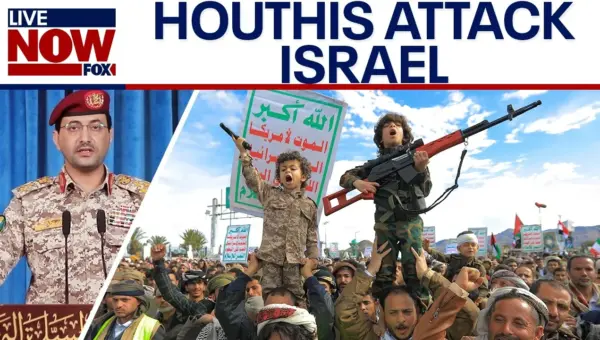
US Weighs Iran Ground Ops as Houthis Join Regional Conflict
The U.S. is reportedly considering ground operations in Iran as Houthi rebels launch attacks on Israel, escalating regional tensions. Analysts suggest this could be a negotiation tactic or a response to ongoing threats, while the Houthis' actions aim to disrupt global shipping lanes and pressure international actors.


Iran Conflict Timeline Shifts as War Plans Unravel
Gas prices are up due to Middle East tensions, but officials suggest it's temporary. However, the projected timeline for conflict resolution has shifted, raising questions about 'mission creep' and the potential for 'mission inversion' where fixing original mistakes becomes the new goal.