Iran Escalates Mideast Conflict, Threatens US Campuses
Iran has escalated its involvement in the Middle East conflict by attacking a chemical plant and threatening US university campuses abroad. This move broadens the conflict's scope, impacting civilian infrastructure and potentially drawing more nations into the crisis.

Iran Escalates Mideast Conflict, Threatens US Campuses
Tensions in the Middle East have reached a new boiling point as Iran intensifies its actions and issues direct threats against American interests. The conflict, now in its second month, saw Iran launch missile attacks on a chemical plant, causing a massive fire and raising fears of a chemical leak. This comes as Iran’s parliament accused the United States of planning a ground invasion, a claim made while 3,500 American troops are stationed in the region. The Pentagon has reportedly been preparing for weeks, with amphibious assault ships like the USS Tripoli, designed for landing troops on hostile shores, departing San Diego.
Iran’s Expanding Reach
Overnight strikes by Iran hit residential areas in Tehran, with reports of casualties. Meanwhile, Israel stated it is targeting missile sites and command centers. Houthi rebels in Yemen, who are supported by Iran with weapons and training, have begun firing missiles at Israel for the first time since the war began. Iran and its allies are also targeting sites across the Gulf, including Saudi Arabia, the UAE, and Bahrain. The UAE and Kuwait have responded to drone threats, and an Iranian attack on an aluminum plant in Bahrain caused significant damage and several injuries.
Key Infrastructure Targeted
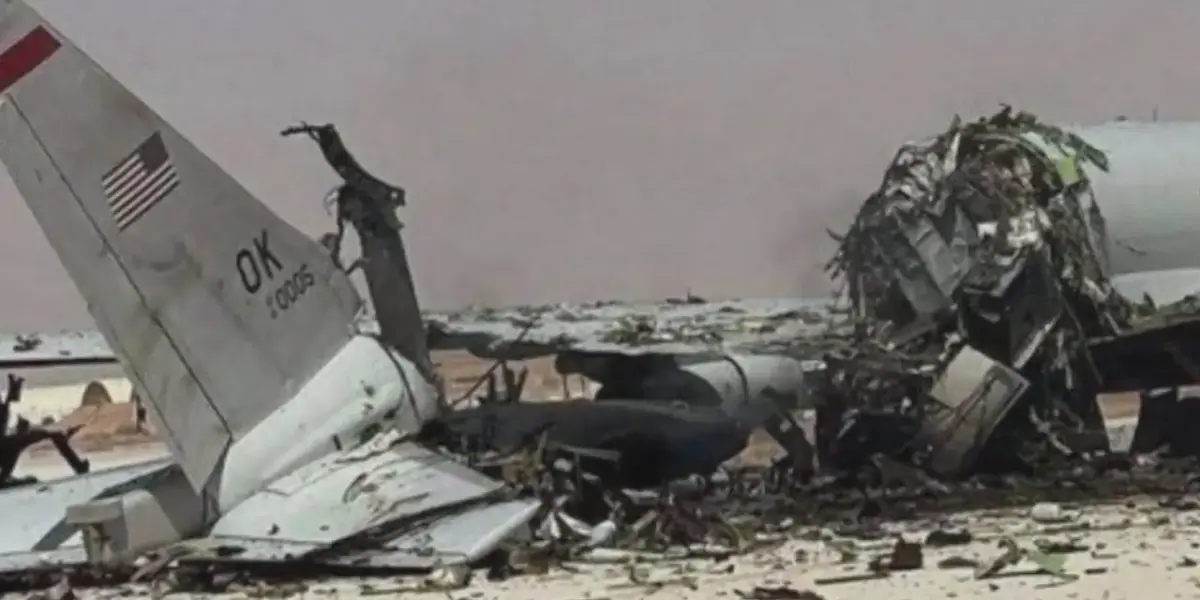
A major blow to American surveillance capabilities occurred when an Iranian missile and drone attack in Saudi Arabia damaged an American E-3 Sentry aircraft. This plane is crucial for tracking missiles, drones, and aircraft from hundreds of miles away. Its damage could severely limit the US ability to monitor the region in real-time. Twelve service members were injured in this attack, though no fatalities have been reported.
New Threats Emerge
Adding another layer to the escalating crisis, Iran has issued a new threat targeting universities with campuses in the Middle East. This includes branches of American universities like Cornell, Columbia, and Georgetown. Iran has also threatened the residences of ambassadors and other officials living abroad. The Iranian government has given the U.S. until noon on Monday to condemn an alleged attack on a university in Iran, warning of retaliation if this demand is not met.
Student Concerns and Virtual Learning
The threat has caused concern among students. One student in Doha, who was studying virtually, expressed that plans for a hybrid learning schedule have now been postponed. This highlights the direct impact of these geopolitical tensions on civilian life and education.
Global Impact
This escalation signifies a dangerous expansion of Iran’s conflict strategy, moving beyond direct military targets to potentially include civilian infrastructure and educational institutions associated with its adversaries. The targeting of vital surveillance aircraft demonstrates a clear intent to disrupt US and allied monitoring capabilities. The threats against universities and officials abroad represent a significant broadening of the conflict’s scope, aiming to increase pressure on the US through asymmetric means. This raises serious questions about the future of diplomatic relations and regional stability, potentially drawing more nations into the conflict or forcing a stronger international response.
Historical Context
Iran’s use of proxy forces like the Houthis to project power and attack regional rivals is a long-standing strategy. The current actions echo past patterns of Iran using its influence to challenge US and Israeli interests in the Middle East. However, the direct threats against US university campuses represent a new and concerning tactic, aiming to exploit perceived vulnerabilities and create widespread disruption. This move also signals a potential shift in Iran’s willingness to engage in actions that could provoke a more direct and severe international response.
Economic and Strategic Interests
For Iran, these actions appear aimed at deterring a potential Israeli ground invasion, projecting strength to its regional allies and domestic audience, and retaliating for perceived provocations. The targeting of key infrastructure like the Sentry aircraft seeks to degrade the US’s military advantage. For the US and its allies, the primary interest is maintaining regional stability, protecting their forces and interests, and preventing Iran from acquiring nuclear weapons. The economic implications are vast, with potential disruptions to oil supplies and trade routes if the conflict widens.
Future Scenarios
Several future scenarios are possible. Iran might continue its pattern of proxy attacks and indirect threats, seeking to bog down adversaries without triggering a full-scale war. Alternatively, a miscalculation or a direct response to perceived aggression could lead to a wider regional conflict. The US and its allies face a difficult balancing act: deterring further escalation while protecting their interests and allies. The international community’s response, including potential new sanctions or diplomatic pressure, will also play a crucial role in shaping the path forward.
Source: Iran threatens U.S. university satellite campuses in Middle East | NewsNation Live (YouTube)

Related Articles

US Weighs Iran Ground Ops as Houthis Join Regional Conflict
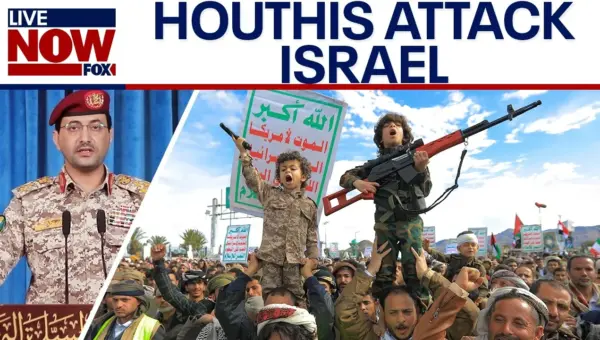
The U.S. is reportedly considering ground operations in Iran as Houthi rebels launch attacks on Israel, escalating regional tensions. Analysts suggest this could be a negotiation tactic or a response to ongoing threats, while the Houthis' actions aim to disrupt global shipping lanes and pressure international actors.


Iran Conflict Timeline Shifts as War Plans Unravel
Gas prices are up due to Middle East tensions, but officials suggest it's temporary. However, the projected timeline for conflict resolution has shifted, raising questions about 'mission creep' and the potential for 'mission inversion' where fixing original mistakes becomes the new goal.


Trump’s War Gamble: Unpopular Conflict Risks Voter Backlash
President Trump is reportedly considering sending 10,000 more troops to the Middle East amid widespread public disapproval of the Iran conflict. Polls show a significant majority disapprove of his handling of the war and the economy, suggesting a political backlash looms.