US Tech Tycoon Linked to Pro-China Network
A U.S. tech tycoon, Neville Roy Singham, is reportedly linked to a network of non-profits and shell companies promoting pro-China messaging. Investigations reveal funding channeled to groups advocating for CCP-aligned narratives, raising concerns about foreign influence and its potential market implications.

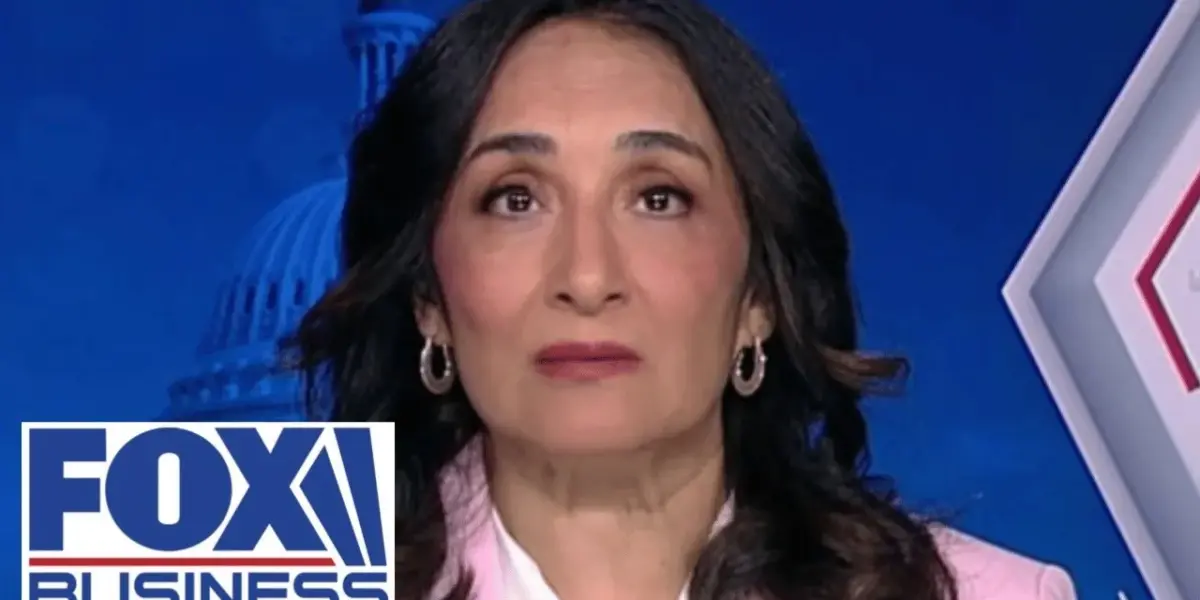
US Tech Tycoon Linked to Pro-China Network
A recent investigation has uncovered a complex web of connections linking American tech tycoon Neville Roy Singham to a network of non-profits and shell companies that promote pro-China messaging. This network appears to be actively working to shape narratives and influence public opinion, raising significant questions about foreign influence in the United States.
The findings suggest that Singham has used his financial resources to fund a vast network aimed at advancing specific agendas. An unearthed video from Shanghai shows Singham speaking at the Global South Academic Forum. During his address, he reportedly advocated for rewriting history, specifically concerning World War II. He also encouraged attendees to follow the path set by Xi Jinping, the leader of China and the Chinese Communist Party (CCP), and to align with the direction of the People’s Republic of China.
This revelation points to a concerning alliance where financial backing from a U.S. individual appears to be channeled to support messaging aligned with the CCP’s objectives. The investigation suggests that Singham’s money, while not directly flowing through the CCP, is funding groups that articulate and promote the party’s agenda within the United States. This situation is made more ironic by the fact that a philanthropy fund, initially set up by Goldman Sachs, reportedly terminated its arrangement with one of the entities involved, highlighting the sensitive nature of these financial flows.
Concerns Over Foreign Influence and Messaging
The core of the concern lies in the potential for foreign entities to influence domestic discourse through funded organizations. The network allegedly supported by Singham is described as a modern-day realization of Mao Tse Tung’s past ideas about countering imperialism. Instead of overt political action, the strategy appears to involve shaping academic and public narratives, particularly concerning historical events and geopolitical alignments.
This approach aims to foster a more favorable view of China and its policies among certain groups. By funding academic forums and think tanks, the network can promote research and discussions that align with Beijing’s interests. This can subtly influence public perception and policy debates without direct, overt interference, making it a more insidious form of influence.
Market Impact and Investor Considerations
While this situation does not directly involve stock market trading or immediate financial asset price movements, it highlights broader geopolitical risks that can indirectly affect markets. Companies operating internationally, particularly those with significant exposure to China or those perceived to be aligned with its interests, could face increased scrutiny. Investors should be aware of the potential for geopolitical tensions to impact global trade, supply chains, and the overall business environment.
The use of non-profits and shell companies to channel funds and promote specific messaging can obscure the origins and true intentions behind these activities. This lack of transparency can create uncertainty for businesses and investors. It underscores the importance of due diligence and understanding the reputational risks associated with certain business relationships or funding sources.
Furthermore, the promotion of specific historical narratives can have long-term implications for international relations. A shift in how historical events like World War II are perceived could influence diplomatic ties and trade agreements. For investors, this means that political and social factors, even those seemingly distant from financial markets, can create a less stable operating environment for global businesses.
Broader Context of Political Messaging
The discussion also touched upon a separate, yet related, issue concerning political figures attending events hosted by individuals with alleged ties to extremist groups. For instance, New Jersey Governor Mikie Sherrill’s attendance at a Ramadan event led by an Imam with reported ties to Hamas, and a similar situation involving Zohran Mamdani hosting an anti-Israel activist, were brought up. While distinct from the Singham investigation, these examples illustrate a broader concern about the scrutiny public figures face regarding their associations and the potential for such associations to be perceived as endorsements of controversial viewpoints.
The alleged demonization of the state of Israel by certain actors was also mentioned in this context. These instances, though different in nature, collectively point to the complex and often sensitive environment in which public figures and organizations operate. The key takeaway is the importance of transparency and careful consideration of associations in a highly polarized world.
For investors, understanding these broader geopolitical and social undercurrents is crucial. While direct financial impacts may not always be immediate, a consistent pattern of foreign influence operations or controversial associations can contribute to a climate of uncertainty. This uncertainty can ultimately affect investor confidence and market stability over the long term.
Source: 'UNPRECEDENTED': Asra Nomani highlights alliance between US tech tycoon and China (YouTube)

Related Articles

Iran Conflict Timeline Shifts as War Plans Unravel
Gas prices are up due to Middle East tensions, but officials suggest it's temporary. However, the projected timeline for conflict resolution has shifted, raising questions about 'mission creep' and the potential for 'mission inversion' where fixing original mistakes becomes the new goal.

Bitcoin Sees Record Downturn as Opportunity Knocks
Bitcoin is experiencing its second-longest monthly losing streak ever, but on-chain data suggests a potential buying opportunity. Analysts point to historical indicators and increasing interest in Ethereum's utility, driven by tokenization and stablecoins, as reasons for optimism despite current market challenges.
Booker: Trump Failing Iran Objectives, Causing Global Crisis
Senator Cory Booker strongly criticized President Trump's Iran policy, labeling it a "presidential blunder" that has worsened regional instability and failed to achieve stated objectives. Booker also addressed domestic issues, condemning the government shutdown and specific ICE practices, while advocating for political unity and a new generation of leadership in his new book, "Stand."