Dinosaur Market Roars: $44.6M Sale Sparks Investor Frenzy
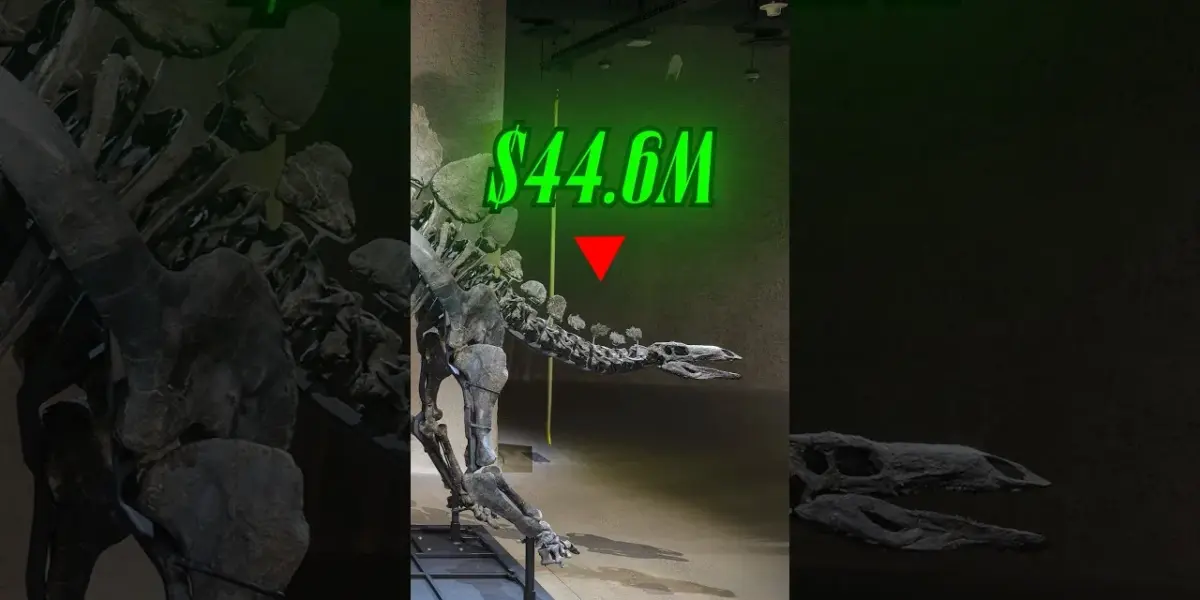
The market for dinosaur fossils is exploding, with a Stegosaurus skeleton selling for $44.6 million, far exceeding its $4 million estimate. This sale has transformed fossils into highly sought-after investments for the wealthy, drawing parallels to art and collectibles.

Dinosaur Market Roars: $44.6M Sale Sparks Investor Frenzy
The market for dinosaur fossils is experiencing an unexpected boom, driven by a landmark sale that shattered expectations and captured the attention of high-net-worth individuals. A Stegosaurus skeleton, known as Apex, recently sold for a staggering $44.6 million. This single transaction has dramatically reshaped the perception of dinosaur fossils, transforming them from historical curiosities into highly sought-after investment assets.
A Meteoric Rise in Value
The sale of Apex represents an extraordinary surge in value. This particular Stegosaurus fossil was initially projected to sell for around $4 million. However, the final price reached an astonishing $44.6 million, highlighting a massive revaluation within the sector. This dramatic increase suggests that demand has far outstripped supply, pushing prices to unprecedented levels.
This trend is not isolated. Another example includes a Triceratops skull, famously associated with online personality Logan Paul. This skull’s value reportedly jumped from $500,000 to $1 million. In another high-profile instance, actor Nicholas Cage reportedly outbid Leonardo DiCaprio for a dinosaur skull valued at $276,000. These events indicate a broader trend among wealthy collectors and investors seeking to acquire significant paleontological specimens.
From Collectibles to Investments
The burgeoning dinosaur fossil market is drawing parallels to other alternative investment classes, such as rare art and collectible trading cards. Just as a rare Pokémon card can command millions, or a masterpiece painting appreciates in value, dinosaur fossils are now being viewed through an investment lens. They are no longer just items for display but are seen as assets with the potential for significant financial returns.
This shift in perspective is a key driver behind the increased interest. Wealthy individuals are diversifying their portfolios by investing in tangible assets that offer both cultural significance and potential capital appreciation. The scarcity of well-preserved dinosaur fossils, combined with growing interest, creates a unique market dynamic.
Market Impact and Investor Considerations
What Investors Should Know
The recent surge in dinosaur fossil prices presents a new frontier for alternative investments. For investors, understanding this market requires looking beyond traditional assets like stocks and bonds. The value of these fossils is influenced by factors such as rarity, completeness, scientific significance, and provenance. The high-profile sales suggest a growing appetite among the ultra-wealthy for unique, tangible assets.
This market is still relatively niche compared to established sectors like fine art or classic cars. However, the dramatic price increases seen in 2024 cannot be ignored. It signals a potential for substantial returns, but also carries inherent risks associated with any emerging or speculative market. The authenticity and condition of fossils are paramount, and expert appraisal is crucial.
Short-Term vs. Long-Term Outlook
In the short term, the market is likely to remain dynamic, with continued interest from wealthy buyers seeking to acquire significant specimens. The high prices achieved may encourage more sellers to bring fossils to market, potentially increasing supply. However, the availability of truly exceptional fossils remains limited, which could sustain high valuations.
Long-term, the trajectory of the dinosaur fossil market will depend on several factors. Continued scientific discovery, public interest in paleontology, and the willingness of wealthy individuals to invest will play crucial roles. As with any collectible investment, the potential for appreciation is significant, but so is the risk of depreciation if market interest wanes or if the supply of high-quality fossils increases dramatically.
Sector Context
The dinosaur fossil market operates within the broader alternative assets sector, which includes collectibles, real estate, and private equity. While distinct from financial markets like equities or fixed income, it attracts investors looking for diversification and assets with intrinsic value. The recent activity suggests that tangible assets with historical or cultural significance are gaining traction as investment vehicles.
The astronomical prices achieved for certain fossils place them in a category similar to blue-chip art or rare automobiles. These markets often require specialized knowledge and a long-term investment horizon. The players involved are typically seasoned collectors and investors who understand the unique dynamics of these specialized markets.
Source: Why Rich People Are Buying Dinosaurs! 🦕 (YouTube)

Related Articles


Jewelry Outshines Handbags as Luxury Investment
Fine jewelry is emerging as a preferred luxury investment over items like designer handbags. Driven by a "flight to safety" and a desire for tangible assets, demand for gold, precious metals, and unique gemstones is surging. This shift highlights a changing consumer preference towards items with intrinsic value in uncertain economic times.


Private Credit Defaults Surge, Sparking Investor Exodus
The private credit market is facing a crisis as defaults rise and investors rush to exit. Funds are restricting withdrawals, and concerns are growing about the sector's rapid expansion and accumulated risks. This situation draws parallels to past financial crises, prompting a closer look at the market's stability and investor protections.


US Markets Wobble as Europe’s Stability Ignites Investor Confidence
US stock markets are showing signs of stagnation, prompting investors to look towards Europe. Factors like perceived US instability and attractive European valuations are driving this shift, signaling a potential change in global investment dynamics.