Trump’s War Gamble: Unpopular Conflict Risks Voter Backlash
President Trump is reportedly considering sending 10,000 more troops to the Middle East amid widespread public disapproval of the Iran conflict. Polls show a significant majority disapprove of his handling of the war and the economy, suggesting a political backlash looms.

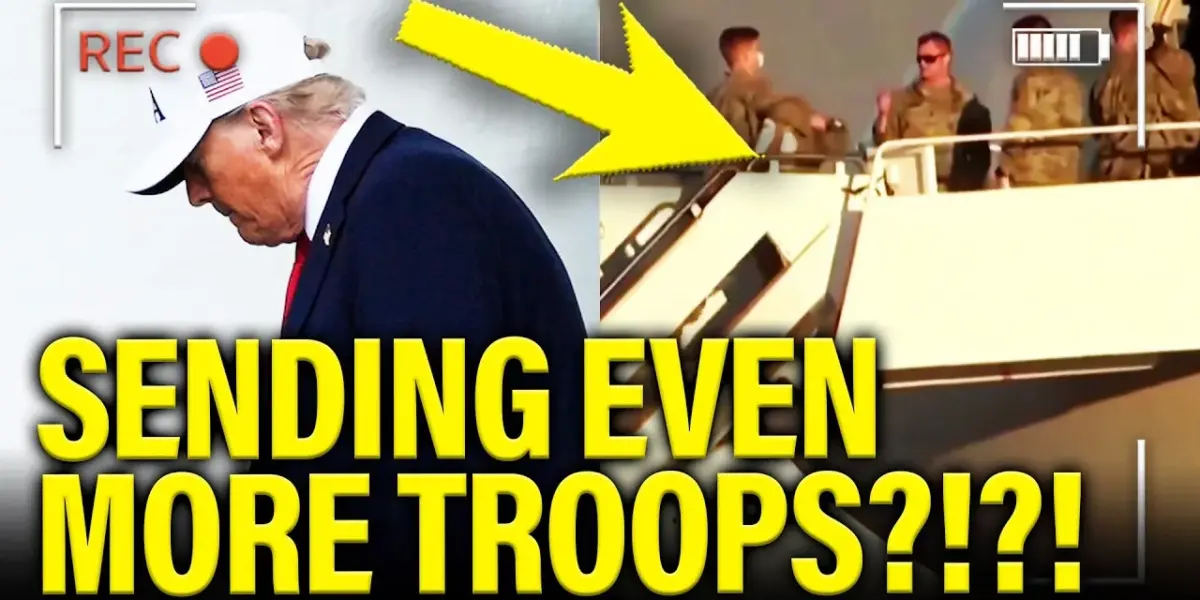
Trump’s War Gamble: Unpopular Conflict Risks Voter Backlash
President Trump is reportedly considering sending 10,000 more troops to the Middle East. This move comes as polls show widespread disapproval of his handling of the conflict with Iran. Reports suggest the war is not only unpopular but also backfiring politically, with a significant portion of Americans disagreeing with the president’s actions.
Public Opinion Turns Against the Conflict
New polling data, including from Fox News, indicates a growing dissatisfaction among Americans regarding the president’s performance. A large majority, around 64% of registered voters, disapprove of how the Iran situation is being handled. This sentiment extends to other key issues, with 71% disapproving of his approach to inflation and 66% unhappy with his economic policies. These economic concerns are closely tied to oil prices, which are directly impacted by events in the Middle East, like the Strait of Hormuz.
The idea of escalating the conflict, particularly with more troops on the ground, is met with very low public support. Only about 7% of Americans favor sending additional combat troops. This indicates a strong public desire to avoid further entanglement in the region. The economic fallout is already being felt, with reports of attacks on Saudi refineries and oil facilities in Kuwait adding to the instability.
A Deepening Disapproval Rating
Beyond the specific issue of the Iran war, the president’s overall approval ratings are also taking a hit. Fox News polls show his disapproval rating has climbed to approximately 59%, with only 41% approving. This trend is not isolated to one poll; various surveys suggest that the president is experiencing some of his highest disapproval numbers and lowest approval numbers of his second term.
Historically, public support for military conflicts tends to drop when they move towards ground operations. The current situation appears to be following this pattern, with Americans becoming more skeptical as the conflict potentially expands. This suggests that sending more troops could further alienate voters and worsen the president’s standing.
The President’s Defense and Public Skepticism
Administration officials have stated that the objectives in the conflict are clear: to disable missile and drone factories, degrade enemy naval and air forces, and destroy missile launchers. They claim these goals can be achieved without ground troops and that they are ahead of schedule. However, they also emphasize the need to be prepared for multiple contingencies and to provide the president with options.
Despite these assurances, there is skepticism about the administration’s strategy. Questions arise about the potential for prolonged conflict and whether the current actions align with promises made to avoid such entanglements. Some critics argue that a ground invasion would make the country less safe and poorer, leading to higher prices for everyday goods like gas and food.
Internal Dissent and Shifting Narratives
The war’s expansion is also causing concern among Republicans and former members of the president’s own administration. Reports of military leaders warning about escalation, internal disagreements, and even resignations suggest a growing divide within the government. Conservative media outlets, including The Wall Street Journal, have also begun to voice criticism, indicating that the president’s narrative is losing traction even among his traditional supporters.
The conflict’s impact is felt not only in the Middle East but also at home, with rising oil prices, shipping disruptions, and growing fears about its duration. The public’s reaction to the war is not just about the initial decision but about its evolving scope and the clarity of the reasons provided. Even attempts to get straightforward answers from the administration have sometimes been met with deflection or personal remarks, further eroding public trust.
Why This Matters
The potential deployment of additional troops to the Middle East is a significant decision with far-reaching consequences. It directly impacts the lives of service members, the stability of a critical global region, and the political fortunes of the president. The strong public disapproval of the current conflict suggests that further escalation could alienate a significant portion of the electorate, potentially influencing upcoming elections.
Furthermore, the economic implications of a prolonged or expanded conflict are substantial. Increased oil prices and global instability can affect household budgets and international trade. The disconnect between public opinion and the administration’s actions highlights a critical challenge in foreign policy decision-making: balancing strategic objectives with domestic support and economic realities. The war’s unpopularity and the administration’s response raise questions about the long-term effectiveness and sustainability of the current approach.
Looking Ahead
The situation remains fluid, with ongoing reports of military planning and political fallout. The coming days and weeks will be crucial in determining the extent of any troop increase and its impact on the conflict. As the war continues to evolve, so too will public opinion and the political landscape. The administration faces a difficult challenge in trying to manage both foreign policy objectives and domestic approval, especially when the two appear to be increasingly at odds.
Source: Trump to SEND 10,000 more TROOPS as WAR BACKFIRES (YouTube)

Related Articles
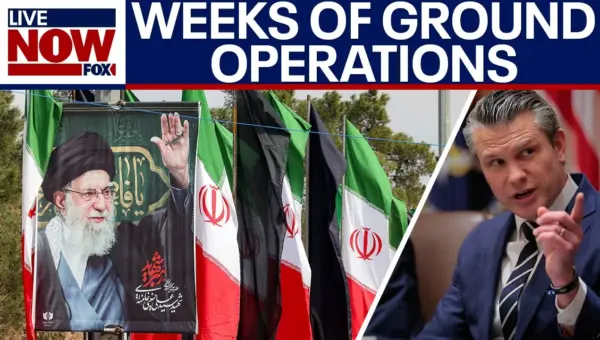
Pentagon Plans Weeks of Iran Ground Ops Amid Escalating Conflict
The Pentagon is reportedly preparing for weeks of ground operations in Iran, signaling a potentially dangerous escalation. This comes as missile defenses near Jerusalem are being scrutinized after two missiles penetrated. The conflict is widening into a regional war, involving various actors and raising concerns about global economic stability.
Vance Vanishes: Senator’s Silence on War Sparks Political Fallout
Senator JD Vance's quiet stance on a new Middle Eastern conflict has drawn criticism, especially as rival Marco Rubio gains political traction. This analysis explores Vance's silence, Trump's past warnings about war, and the economic impact of the ongoing tensions, questioning the accountability of politicians during wartime.
US Troops Near Iran: Ex-Ambassador Warns of ‘Scary’ Escalation
Former Ambassador Michael McFaul expressed deep concern over the escalating U.S. military presence near Iran, calling it "unnerving" and "very scary." He questioned the unclear objectives of the conflict and highlighted discrepancies in official claims about damage to Iran's military capabilities.