US Troops Near Iran: Ex-Ambassador Warns of ‘Scary’ Escalation
Former Ambassador Michael McFaul expressed deep concern over the escalating U.S. military presence near Iran, calling it "unnerving" and "very scary." He questioned the unclear objectives of the conflict and highlighted discrepancies in official claims about damage to Iran's military capabilities.

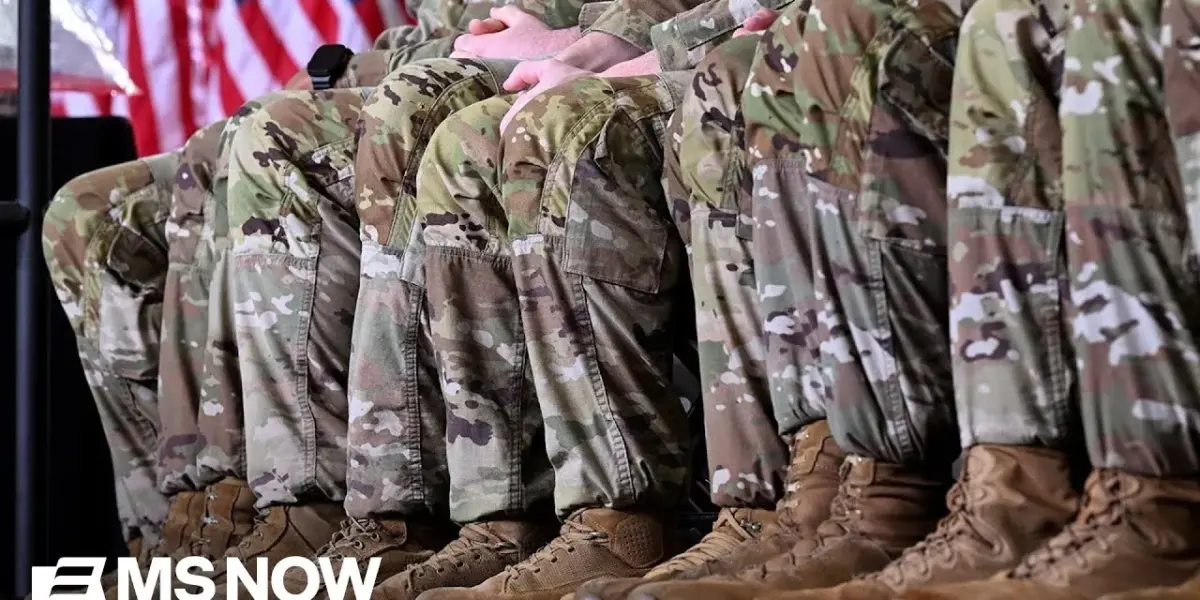
US Deploys More Troops Amid Unclear Iran Conflict Goals
The United States is sending additional troops to the region near Iran, a move former Ambassador Michael McFaul described as “unnerving” and “very scary.” This escalation comes as the objectives behind the U.S. military actions in Iran remain unclear to the American public. President Trump has stated that Iran is “begging to make a deal,” but McFaul questions this assertion, pointing to the lack of clear U.S. goals for the ongoing conflict.
Ambassador Questions Trump’s Iran Strategy
Speaking on MSNC, McFaul, who served as the U.S. Ambassador to Russia under President Obama, expressed strong doubts about the current administration’s approach to Iran. “The president has not yet told the American people what are the objectives he is seeking when he launched this war,” McFaul stated. He noted that these questions remain unanswered even weeks after the initial actions were taken.
Iran’s Goal: Survival
McFaul believes the Iranian regime’s primary objective is simple: survival. “They just need to survive and if they’re in place at the end of this war… they will be able to declare victory,” he explained. Even if significant damage has been done to Iran’s military capabilities, such as its missile systems, the regime’s continued existence would be considered a win for them.
Nuclear Deal Diplomacy vs. Current Actions
The former ambassador contrasted the current situation with the Obama administration’s approach, which focused on diplomacy and sanctions to prevent Iran from developing nuclear weapons. “Our administration chose diplomacy, coercive diplomacy, by the way. We put a lot of sanctions on Iran. We compelled them to give up their nuclear program and it was working,” McFaul said. He argued that President Trump’s decision to withdraw from that deal has left the U.S. in a “much worse situation” and closer to Iran potentially acquiring a nuclear weapon.
Conflicting Reports on Military Damage
McFaul highlighted discrepancies between official claims and independent reports regarding the effectiveness of U.S. military strikes. While President Trump has suggested that Iran’s military assets have been “obliterated,” a recent Reuters report, confirmed by MSNC, indicates that only about one-third of Iran’s missile arsenal has been destroyed. “I just think it underscores how hard it is for outsiders and journalists to report accurately on what this administration claims,” McFaul commented on the difficulty of verifying claims.
Uncertainty Over Objectives
The lack of a clearly defined objective for the conflict fuels McFaul’s concern. He listed several possibilities that have been floated by the administration, including regime change, elimination of nuclear weapons, missile programs, or terrorism. However, he stressed that the president has not settled on a single goal, nor has he achieved any of them thus far. This ambiguity makes it difficult to assess the situation or predict an end to the hostilities.
Ground Invasion Concerns
The deployment of more American soldiers raises the specter of a potential ground invasion. McFaul sees this as a significant escalation. “They’re either there for coercion to try to get Iran to negotiate or they’re going to invade and that escalation, I think, is a very scary measure, especially when we don’t know what the purpose of a ground invasion would be,” he stated. He questioned whether the conflict would be worth the cost in American lives and resources if it did not result in regime change or a significant shift in Iran’s power structure, particularly concerning the Revolutionary Guard.
Looking Ahead
As the situation develops, the key questions remain: what are the ultimate U.S. objectives in Iran, and can they be achieved without further, potentially dangerous, escalation? The continued deployment of troops and the lack of clear communication from the White House leave many, including former diplomats, deeply concerned about the path forward and the potential consequences for regional stability and American security.
Source: ‘Unnerving’: U.S. troops on Iranian soil is a ‘very scary’ prospect, says former ambassador (YouTube)

Related Articles

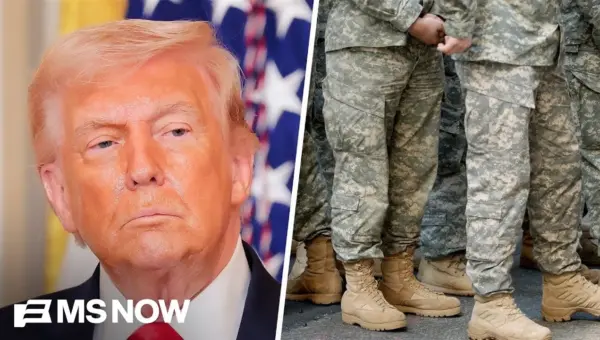
US Ground Invasion of Iran Risks ‘Mission Creep,’ Warns Retired General
Retired General David Deptula warns that a U.S. ground invasion of Iran carries no guarantees and risks 'mission creep,' potentially leading to prolonged conflict. As the U.S. considers ground troop options, objectives appear to be shifting from regime change to managing economic fallout and securing maritime routes.

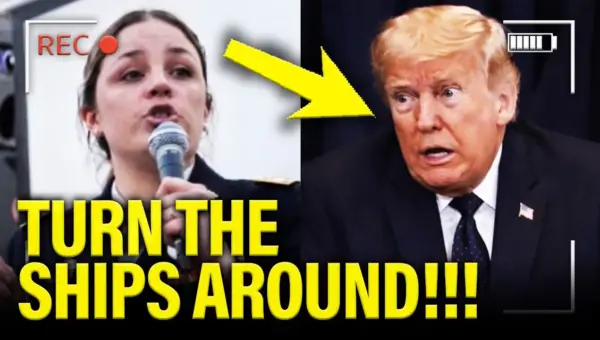
Ex-Intel Officer Labels US Actions in Iran as Terrorism
A former U.S. intelligence officer, Josephine Gilbo, delivered a powerful speech accusing the United States of terrorism due to its actions in Iran. Citing the bombing of a school that killed 165 girls, she argued U.S. military operations fit the definition of terrorism. Gilbo urged military commanders to refuse unlawful orders and questioned the purpose of the current deployments.
US Considers Ground Troops as Iran Conflict Intensifies
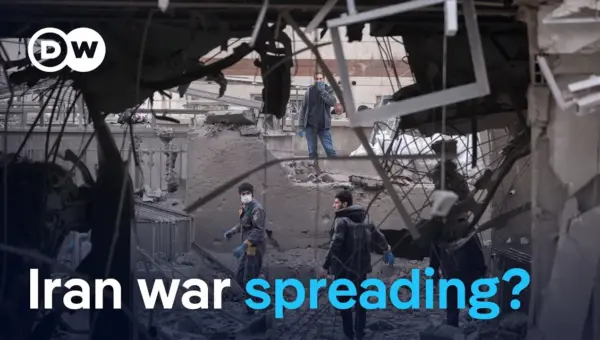
Middle East powers convene in Pakistan for peace talks as the month-long war intensifies. The US is reportedly considering ground troops amid escalating strikes on Iran, while experts caution against air power's political pitfalls and highlight the risks of a prolonged conflict.