Trump’s Iran War Gamble: Broken Promises, Rising Costs
Reports indicate the Pentagon is preparing for ground operations in Iran, signaling a potential escalation of conflict. This move is criticized as a betrayal of campaign promises to avoid new wars and comes with rising gas prices and significant costs to American taxpayers. The analysis questions leadership priorities, contrasting campaign rhetoric with policy actions and highlighting the economic and human toll of prolonged military engagement.

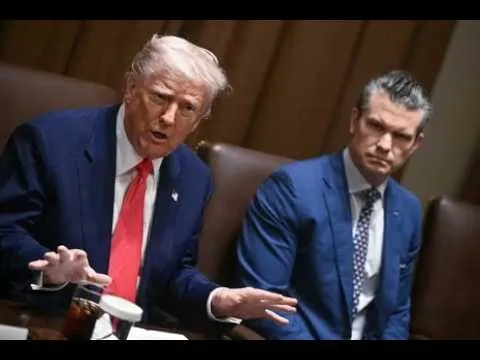
Trump’s Iran War Gamble: Broken Promises, Rising Costs
New reports suggest the Pentagon is preparing for ground operations in Iran, with thousands of American soldiers arriving in the Middle East. This marks a potentially dangerous escalation, especially as President Trump had previously vowed to avoid such conflicts. The war, initially unpopular, now seems to be ramping up, despite earlier promises to steer clear of new wars.
Engaging in a prolonged conflict is difficult to reverse. If President Trump decides to end this war later, it won’t be simple. Every day the conflict continues means higher gas prices and a greater risk of other countries being drawn in. This situation is already spiraling, which should signal a need to reconsider the path forward. Instead, the decision appears to be to plunge deeper into a war that is already unpopular and out of control.
The Real Cost of War
This escalation comes with significant costs. Beyond higher gas prices, more than a dozen American service members have died. The war is costing billions of dollars each day, money that could be used to help Americans at home. This stands in stark contrast to President Trump’s campaign promises to focus on domestic needs.
Critics argue that President Trump’s actions now mirror the politicians he once criticized. His presidency, they contend, is characterized by a pattern of saying what people want to hear without following through. Past promises of infrastructure laws, affordable healthcare, tax cuts, and job booms never fully materialized. This term, similar promises regarding lower costs, groceries, housing, IVF, inflation, and justice for Epstein’s victims have also gone unfulfilled.
The only consistent actions highlighted are tax cuts for the wealthy and personal financial gains. The argument is that President Trump prioritizes his own legacy and financial interests over the needs of ordinary Americans. His presidency is described as a “graveyard of broken promises,” failing to end wars, lower prices, or deliver on numerous other campaign pledges.
Republican Complicity and Public Rejection
The analysis extends to other Republicans, who are criticized for not acting as a check on President Trump’s actions. Instead, they are accused of aligning with him, effectively owning the consequences of his policies. This includes high gas prices, a new Middle Eastern war, rising costs, and other issues that negatively impact Americans. This leadership is described as weak, incompetent, and corrupt, and is reportedly being rejected by voters.
Despite public disapproval, the response from President Trump and the Republican party seems to be to double down on their current course. There’s a sense that they may feel insulated from public pressure or believe they can suppress enough votes to ignore public will. However, the piece suggests a potential “rude awakening” awaits if they believe they won’t be held accountable.
Voices from the Ground: Protests and Political Shifts
The discussion then shifts to public demonstrations, highlighting large protests as a sign of people actively standing up for their vision of America. These events are presented as representing the “real country” and the majority’s will, contrasting with what is perceived as an anti-democratic movement driven by online propaganda. The absence of similar physical presence from some conservative political figures is noted.
A key challenge identified in facing an authoritarian movement is the reliance on institutions that are being undermined. Furthermore, defeating such a movement requires a broad pro-democracy coalition, spanning from anti-Trump Republicans to the far left. While disagreements within this coalition exist, the shared goal of opposing authoritarianism is seen as crucial.
These large-scale protests are also viewed as empowering for individuals who may not identify with traditional political labels. They offer a visible, grassroots movement that goes beyond partisan politics, suggesting a potential shift in how people engage with the political process. The focus is on people wanting something different and the Democratic Party being a means to achieve that end.
Looking Ahead: Challenges and Hopes
Looking towards upcoming elections, the sentiment is that President Trump is currently vulnerable. The ongoing conflict in the Middle East, with its associated costs and chaos, is seen as a key narrative. The focus for activists and politicians is to effectively communicate how the current administration’s actions are negatively impacting people’s lives and to present a viable alternative.
There’s an acknowledgment that primaries can be contentious, but the emphasis is on unifying behind candidates once they are decided to achieve broader political goals. This includes calls for Democrats to step aside in certain races to strengthen the party’s overall chances.
The Ohio Senate Race: A Shifting Landscape
The conversation turns to the Ohio Senate race, where polling suggests a competitive environment for Democrats, a state that has trended Republican in recent years. This shift is attributed to voter anger over the war, rising costs of gas and diesel, and dissatisfaction with incumbent politicians who have voted for policies like repealing healthcare protections and giving tax cuts to billionaires.
There’s evidence of enthusiasm among voters, with significant contributions to campaigns shortly after announcements. The campaign is hearing from voters, including former Republicans, who are disillusioned with the current political direction. These voters, often from families with long-standing Republican ties, are concerned about fiscal conservatism, government overreach, and foreign policy.
Farmers, in particular, are feeling the economic pinch from issues like tariffs and rising fertilizer and diesel costs, which are linked to the ongoing conflict. While they may not always directly blame President Trump, they recognize that the policies and outcomes are detrimental to their livelihoods.
Disdain for Working-Class Americans
Criticism is leveled against incumbent politicians for perceived disdain towards working-class individuals. Comments suggesting that people in poverty lack real-world experience or budgeting skills are highlighted as examples of this disconnect. This is contrasted with the reality that many working and even middle-class individuals are struggling financially.
The argument is made that the system is rigged, with corporations profiting while workers see less income. Policies like tax cuts for the wealthy and the ongoing war are seen as exacerbating these issues. The focus is on whose side politicians are on, with a clear assertion that some are on the side of billionaires and corporations, not ordinary people.
The Cost of War vs. Domestic Needs
The financial cost of the war is repeatedly contrasted with unmet domestic needs. Billions of dollars spent daily on the conflict could instead fund healthcare, the child tax credit (credited with significantly reducing child poverty), healthcare clinics, and the VA. The impact of underfunding these areas is felt directly by citizens, including veterans.
The lack of clear explanation for the war’s purpose, exit strategy, and impact on everyday costs like gas and diesel is a major point of contention. The human cost, including the lives of service members, and the long-term healthcare needs for veterans are also significant concerns. The argument is that this money and focus should be directed towards improving the lives of Americans at home, especially when domestic programs are underfunded.
The war in the Middle East is costing Americans dearly, not just in lives and potential long-term health issues for veterans, but also in economic terms through rising gas prices. This spending, critics argue, diverts crucial funds from essential domestic programs that directly benefit citizens.
Why This Matters
This analysis highlights a significant disconnect between political rhetoric and policy actions, particularly concerning foreign policy and economic priorities. The potential for a prolonged and costly military engagement in Iran, despite past promises to avoid such conflicts, raises serious questions about leadership and decision-making. The economic consequences, such as rising fuel prices and billions spent daily on the war, directly impact American households. Furthermore, the piece suggests a growing public awareness of these issues and a potential shift in political allegiances, driven by a desire for leaders who prioritize domestic well-being and deliver on their promises. The events discussed underscore the importance of accountability in politics and the power of public opinion, especially when it comes to matters of war and economic security.
Implications and Future Outlook
The situation suggests a challenging period ahead, with potential for continued economic strain and public frustration. The effectiveness of political movements, both pro-democracy and otherwise, will be tested. The upcoming elections will likely serve as a key indicator of public sentiment regarding these issues. A continued focus on domestic needs versus foreign interventions, alongside economic fairness, is likely to shape political discourse and voter choices moving forward. The narrative of broken promises versus tangible results will be central to how voters evaluate their leaders.
Historical Context
The discussion touches upon recurring themes in American foreign policy and domestic politics. The debate over military intervention in the Middle East has been a constant since the late 20th century. Similarly, the tension between campaign promises and actual governance, particularly concerning economic relief and foreign entanglements, has been a feature of many election cycles. The current moment can be seen as a continuation of these long-standing debates, amplified by the specific political climate and leadership involved.
Source: Trump drops BOMBSHELL military announcement (YouTube)

Related Articles
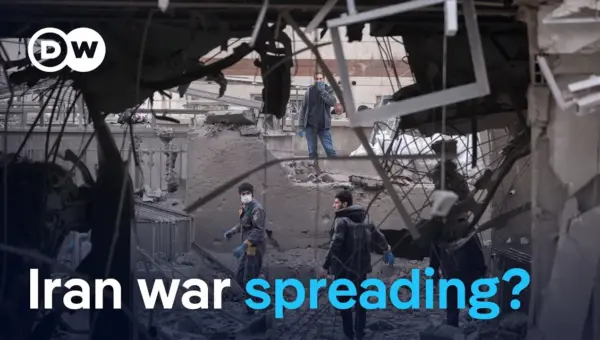
US Considers Ground Troops as Iran Conflict Intensifies
Middle East powers convene in Pakistan for peace talks as the month-long war intensifies. The US is reportedly considering ground troops amid escalating strikes on Iran, while experts caution against air power's political pitfalls and highlight the risks of a prolonged conflict.

Trump Weaponizes Pain for Voter Suppression, Critics Claim
A heated exchange reveals accusations that Donald Trump intentionally prolonged a government shutdown to weaponize public pain. Critics claim this strategy aimed to force the passage of a voter suppression bill, rejecting multiple Democratic proposals to fund the TSA. The debate also touched on historical funding decisions for agencies like ICE.
Staff Shields Trump’s Mind from Reality, Experts Warn
A former aide warns that Donald Trump's mental decline is not new, but the system around him can no longer cope. This lack of checks and balances is more dangerous than any cognitive issues, creating significant risks for policy and national security.