Trump Media Strategy Warps Reality for Millions
A significant portion of Americans rely on a single news source, allowing for narrative control on critical issues. This creates a 'parallel nation' with divided realities, impacting informed decision-making and public discourse.

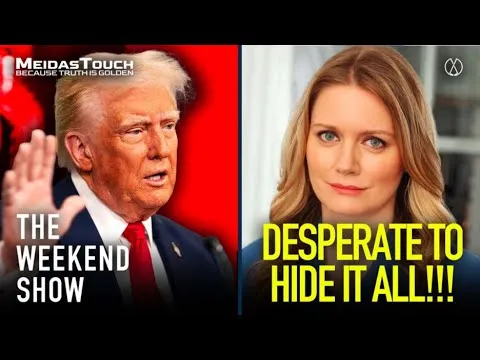
Trump Media Strategy Warps Reality for Millions
A significant portion of Americans, around 30%, rely on a single news source, Fox News, for their information. This reliance allows former President Donald Trump to shape the public’s understanding of important issues. His strategy involves using what’s described as a ‘regime media’ to control the narrative around critical topics like war, immigration, and the economy. This approach aims to benefit his political agenda.
This concentration of news consumption creates a divide. It leads to what’s called a ‘parallel nation,’ where millions of people may not be fully aware of the current state or future direction of the country under certain political influences. The idea is that media bias can keep people in the dark about America’s past, its present challenges, and its potential future.
The Power of a Single Narrative
When a large group of people gets their news from one place, it becomes easier for a single message to take hold. This isn’t unique to any one political figure or network. However, the analysis suggests that Trump has effectively used this dynamic to his advantage. He can steer conversations and frame events in a way that aligns with his goals.
Think of it like a group of friends deciding where to go for dinner. If one friend is very persuasive and everyone else just agrees without looking at other options, they might end up at a restaurant that not everyone truly wants. In this case, the ‘persuasive friend’ is the political figure, and the ‘agreed-upon restaurant’ is the narrative presented by the media outlet.
Creating a ‘Parallel Nation’
The concept of a ‘parallel nation’ highlights how different groups of people can live with vastly different understandings of reality. This happens when media consumption is divided. Some people might see one version of events, while others, consuming different news sources, see a completely different picture.
For example, discussions about the economy might focus on job growth for one group, while another group hears more about inflation and rising costs. The ‘parallel nation’ idea suggests that these different realities can become so distinct that people feel like they are living in separate countries, even though they share the same physical space.
Historical Context of Media Influence
Throughout history, political leaders have understood the power of controlling information. From ancient rulers using town criers to modern politicians using television and the internet, shaping public opinion has always been key to maintaining power. The rise of partisan news networks in recent decades has amplified this effect.
Before the widespread availability of cable news and online sources, people often had fewer choices for news. While this could also lead to limited perspectives, the current media environment allows for highly segmented audiences. This segmentation can create echo chambers, where people only hear opinions that already match their own beliefs.
Why This Matters
Understanding how media shapes our views is crucial for a healthy democracy. When a large segment of the population receives a filtered or one-sided version of events, it can lead to:
- Informed Decision-Making: Citizens need accurate and diverse information to make informed choices about who to vote for and what policies to support.
- Public Discourse: A shared understanding of facts is necessary for productive conversations about the issues facing the country. If people operate from entirely different sets of ‘facts,’ it’s hard to find common ground.
- Accountability: A free press is meant to hold those in power accountable. If the media is seen as biased or controlled, this essential function is weakened.
Implications and Future Outlook
The strategy discussed suggests a future where political battles are increasingly fought over the control of information. As more people turn to online platforms and specific networks, the challenge of reaching a broad audience with balanced reporting grows.
The trend points towards continued media fragmentation. This means that audiences will likely become even more specialized. The danger is that this further divides people, making it harder to have national conversations. It also raises questions about how to ensure that all citizens have access to reliable information, regardless of their personal news habits.
Conclusion
The analysis presented raises important questions about the role of media in shaping public perception. It highlights the power of concentrated news consumption and the potential for political figures to influence narratives. Recognizing these dynamics is the first step toward fostering a more informed and united society.
Source: Trump REGIME MEDIA Strategy EXPOSED as WAR RUINS HIM l The Weekend Show (YouTube)

Related Articles

Trump Weaponizes Pain for Voter Suppression, Critics Claim
A heated exchange reveals accusations that Donald Trump intentionally prolonged a government shutdown to weaponize public pain. Critics claim this strategy aimed to force the passage of a voter suppression bill, rejecting multiple Democratic proposals to fund the TSA. The debate also touched on historical funding decisions for agencies like ICE.
Trump Eyes Iran Invasion as Fox Pushes for War
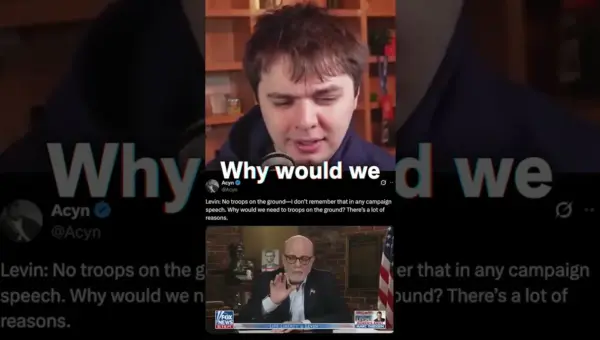
Reports indicate the Pentagon is preparing for ground operations in Iran, potentially deploying thousands of U.S. troops. Simultaneously, some Fox News hosts are actively advocating for military intervention, focusing on Iran's uranium program. This situation raises serious questions about the path to conflict and the media's role in shaping public opinion.
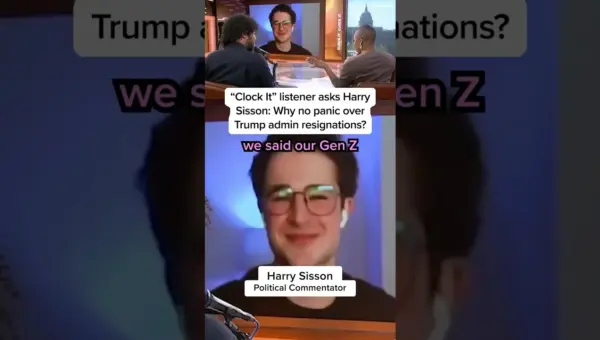
Gen Z Pundit Questions Trump Admin’s Quiet Resignations
Gen Z political commentator Harry Sisson discussed why the public isn't panicking over Trump administration resignations during a 'Clock It' episode. He suggested daily economic worries overshadow government personnel changes. The conversation highlighted the disconnect between political events and public's immediate concerns.