California’s $400 Billion Fraud Bill Stuns Analysts
California is grappling with an estimated $400 billion in fraud and waste over the last five years, far exceeding pandemic relief fund losses. The SBA is actively pursuing recovery of billions in misused COVID-19 aid, while state-level investigations highlight systemic financial mismanagement. Taxpayers are demanding accountability for billions lost through inefficiency and outright theft.

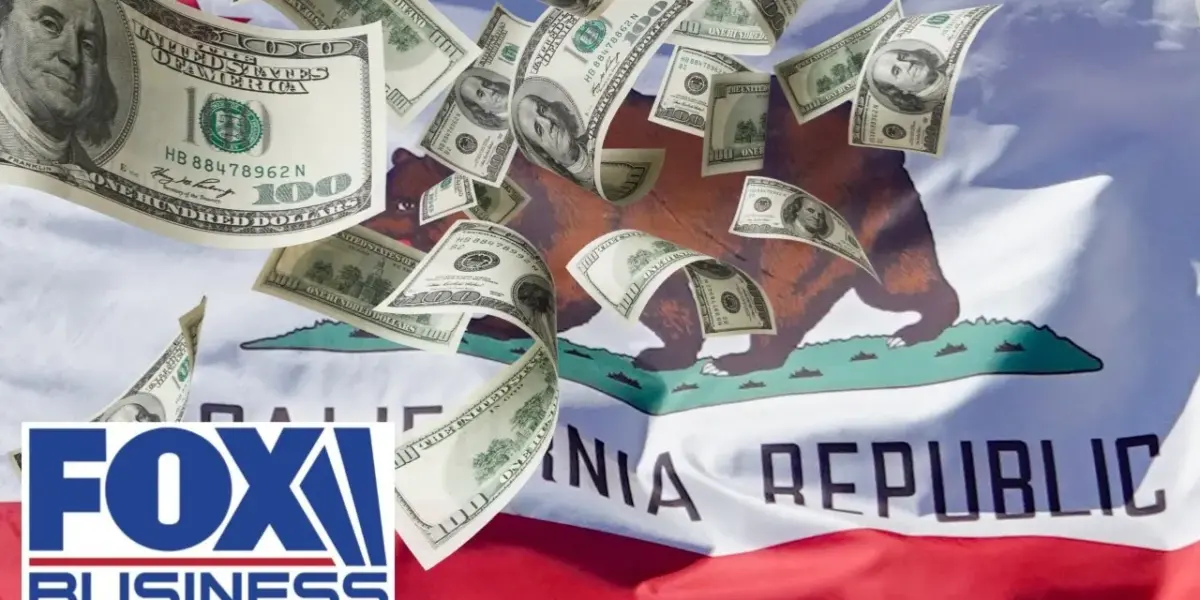
California Faces Staggering $400 Billion in Fraud and Waste
California’s state budget has ballooned to extraordinary levels, nearly doubling in five years from around $200 billion to $350 billion. However, this massive spending spree has been marred by an estimated $312 billion to $425 billion in fraud and waste over the past five years. The midpoint of this range suggests roughly $400 billion has been lost, a figure that includes normal spending, not just pandemic relief funds. This enormous sum highlights serious mismanagement within the state’s financial operations.
COVID Relief Funds Targeted by Widespread Fraud
The Small Business Administration (SBA) is intensifying its efforts to combat fraud that ran rampant during the COVID-19 pandemic. The agency is expanding its investigations beyond initial focuses in Minnesota and California to all 50 states. This crackdown includes examining dozens of programs, some of which have been in place for decades. One particular program, existing for 50 years, managed $50 billion and is now under scrutiny.
Kelly Loeffler, head of the SBA, reported that approximately $200 billion of the $1.2 trillion in total funds distributed by the agency went to fraudulent uses. To date, only $5.9 billion of the estimated $20 billion lost to COVID-era mismanagement and fraud has been recovered. In California alone, 112,000 borrowers are now banned from receiving further SBA assistance due to defrauding their loans.
Homelessness Spending Yields Negative Results
The issue of waste extends beyond pandemic relief, impacting critical state services. In California, a staggering $24 billion was spent on homelessness over a five-year period. Ironically, during this same time, the state saw an increase in homelessness by nearly 40%. This outcome suggests that billions of dollars spent to combat homelessness have failed to reduce the problem and, in fact, may have exacerbated it.
This situation is attributed to a combination of outright fraud and what can be termed as abuse. Some service providers have been found to have pocketed funds without delivering promised services, using the money for luxury goods and vacations. In other cases, money intended for homeless solutions has been channeled into what is described as the “homeless industrial complex.” This involves inflated costs, such as apartment units costing up to $1 million each, benefiting developers rather than effectively housing individuals struggling with addiction and homelessness.
Calls for Accountability and Reform
Steve Hilton, a Republican candidate for California Governor, has been vocal about the state’s financial mismanagement. He co-established ‘Cal-Dose,’ the California Department of Government Efficiency, with running mate Herb Morgan, who is seeking the State Controller position. Their goal is to uncover the full extent of fraud and inefficiency and to implement reforms.
Hilton stated that if elected, his administration, alongside Michael Gates running for Attorney General, would focus on prosecuting fraud and clawing back misappropriated funds. The objective is to return taxpayer money to its rightful place and ensure accountability for those who have defrauded government programs. The sentiment is that taxpayers, who pay the highest taxes in the country, deserve better results.
Market Impact and Investor Considerations
The sheer scale of fraud and mismanagement in California’s budget, particularly the estimated $400 billion figure, raises concerns about the state’s financial stability and economic outlook. Such significant losses can impact credit ratings, increase borrowing costs, and potentially lead to future tax hikes or cuts to essential services.
For investors, understanding the fiscal health of a state is crucial, especially for those holding municipal bonds or invested in companies operating within California. While this article focuses on state-level mismanagement and federal relief fund fraud, broader economic policies and fiscal discipline directly influence market confidence. The ongoing SBA investigations into fraud across all 50 states indicate a nationwide effort to recover misused funds, which could have ripple effects across various sectors that received pandemic-related aid.
What Investors Should Know
- State Fiscal Health: Investors should monitor California’s budget and debt levels closely, as significant fraud and waste can undermine its financial stability.
- Regulatory Scrutiny: The SBA’s aggressive pursuit of COVID-19 relief fraud signals increased regulatory oversight. Businesses that received these funds should ensure compliance and proper documentation.
- Economic Policy Impact: State and federal policies on spending, taxation, and economic development directly affect investment climates. The focus on accountability suggests a shift towards greater fiscal responsibility.
- Long-Term Outlook: While short-term recoveries of fraudulent funds may be limited, the emphasis on accountability aims to prevent future waste, potentially leading to a more sustainable economic environment.
Source: 'The whole thing is ridiculous': Hilton rips California's mismanagement of COVID relief (YouTube)

Related Articles

Vance Tackles Federal Fraud: A New War on Waste
Vice President JD Vance has launched a new White House task force to combat fraud in federal benefit programs. The initiative aims to improve verification processes and foster inter-agency cooperation to stop waste and restore public trust. The task force highlights issues in states that allegedly operate on an honor system for benefit distribution.


Homeland Security’s Millions Sunk on Useless ICE Vehicles
Tens of millions of dollars in taxpayer money have been wasted on a fleet of brand-new Chevrolet Tahoes for ICE, rendered unusable due to prominent, ill-advised branding. The controversy highlights concerns over inexperienced leadership and non-competitive contracting within the Department of Homeland Security.

Trump’s ‘War on Fraud’ Sparks Controversy and Questions
Donald Trump has declared an official "war on fraud," appointing VP J.D. Vance to lead the charge against government waste. The initiative aims to reclaim taxpayer dollars but has drawn criticism for controversial examples and accusations of political favoritism.