Health Officials Brace for Trump’s Nuclear Fallout
World Health Organization officials are updating training for nuclear fallout scenarios, signaling serious concerns about potential conflict escalation under Donald Trump. The use of the word 'eventually' suggests a perceived high probability of a nuclear incident, highlighting grave geopolitical risks.

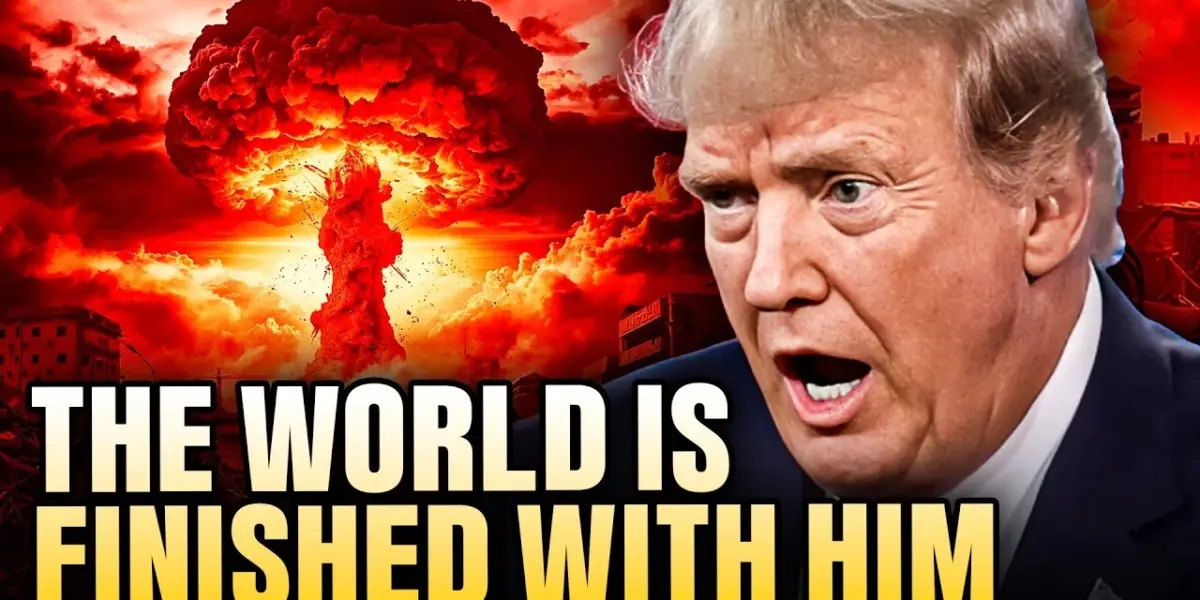
Health Officials Brace for Trump’s Nuclear Fallout
Top health officials are preparing for a deeply concerning possibility: Donald Trump might use nuclear weapons. This isn’t just a distant worry or a ‘what if’ scenario. The World Health Organization (WHO) is actively updating its training for staff. They are getting ready for situations involving widespread nuclear fallout.
Hanan Balky, the WHO’s regional director for the Eastern Mediterranean, shared these worries. He stated that a nuclear incident is their worst-case scenario. Balky emphasized that no amount of preparation can fully prevent the severe harm such an event would cause to the region and the entire world. The health consequences, he warned, could last for many decades.
Politico reported that UN staff are being trained for a broad range of nuclear incidents. This includes not only the use of nuclear weapons but also attacks on nuclear facilities. Balky expressed a strong hope that such an event would not occur. However, the WHO is moving forward with refreshing staff training. They are also providing new guidance on the long-term health risks associated with radiation exposure.
Balky noted that anyone who has studied past nuclear incidents, whether accidental or intentional, understands the potential severity. This suggests a deep concern based on historical events and current geopolitical tensions.
A Careful Choice of Words
The language used by these international officials is particularly striking. The WHO regional director used the word ‘eventually’ when discussing the possibility of a nuclear incident. This choice of word suggests more than just a general possibility; it implies an expectation or a high degree of probability that such an event could happen.
Officials in global positions are known to choose their words very carefully. When they use a word like ‘eventually,’ it signals a need for serious attention. It implies that such a disaster is not a matter of ‘if,’ but rather ‘when.’ This is a critical distinction.
The director also clarified that ‘nuclear incident’ covers a wider scope. It’s not solely about one nation launching a nuclear strike. It could also involve actions like bombing a nuclear power plant. Such an event could be triggered by escalating conflicts, potentially even in response to actions by the United States under Trump’s leadership.
The worst case scenario is a nuclear incident, and that’s something that worries us the most. As much as we prepare, there’s nothing that can prevent the harm that will come the region’s way and globally if this eventually happens and the consequences are going to last for decades.
Historical Context and Growing Concerns
The current situation echoes past periods of high international tension. Throughout history, the threat of nuclear conflict has loomed, particularly during the Cold War. However, the specific context now involves a leader known for unpredictable foreign policy decisions.
The WHO’s proactive training reflects a shift from merely hoping for peace to actively preparing for the worst possible outcomes. The organization is acknowledging that while they hope nuclear conflict is avoided, they must be ready if it occurs. This preparedness includes understanding and mitigating the severe health impacts of radiation.
Why This Matters
The WHO’s preparations are a stark indicator of the perceived global security risks. When a major international health organization begins training for nuclear fallout, it signals that the threat is being taken very seriously at the highest levels. This isn’t a hypothetical exercise for them; it’s a real-world contingency plan.
The focus on long-term health risks highlights the devastating and lasting nature of nuclear events. Radiation exposure can lead to immediate sickness, long-term illnesses like cancer, and genetic damage that can affect future generations. The WHO’s role would be crucial in managing a public health crisis of this magnitude, providing medical aid, and guiding populations through recovery.
Implications and Future Outlook
The implication of these preparations is that diplomatic efforts to de-escalate potential conflicts are facing significant challenges. The use of the word ‘eventually’ by officials suggests a belief that current geopolitical strategies may not be sufficient to prevent a nuclear crisis.
This situation underscores the importance of careful leadership and measured communication in international relations. The potential for catastrophic consequences means that every decision carries immense weight. The future outlook depends heavily on diplomatic resolutions and a commitment to avoiding actions that could lead to the use of weapons of mass destruction.
The WHO’s actions serve as a critical reminder of the stakes involved in global politics. While the hope is always for peace, the reality of potential disaster requires diligent preparation and a constant re-evaluation of security strategies.
Source: World Health Officials Are Convinced Trump Will NUKE Iran (YouTube)

Related Articles

Objects in Orbit Hint at Pre-Human Intelligence
New scientific papers suggest artificial objects orbited Earth before human satellites, hinting at non-human intelligence. Declassified CIA documents also reveal serious investigation into psychic abilities via Project Stargate. These developments challenge our understanding of history and the universe.
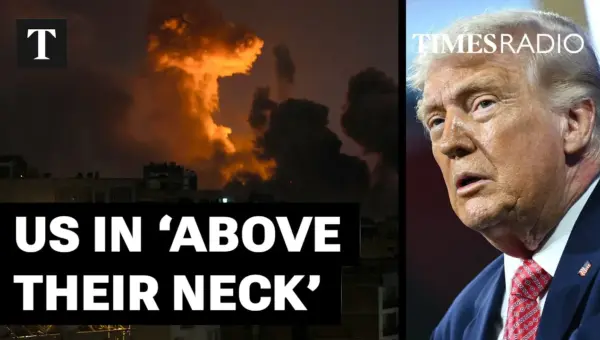
US Overreaches in Iran Standoff, Experts Warn
U.S. military experts warn President Trump has overextended American capabilities in the escalating standoff with Iran. With significant troop deployments and Iranian threats, the situation is precarious. Experts call for a clear strategy and a diplomatic "off-ramp" to avoid wider conflict.
Iran’s Ominous Threats Expose Trump’s Shaky Stance
Iran's leadership has issued ominous warnings and displayed military readiness, directly challenging Donald Trump's claims of Iranian weakness. This escalation highlights geopolitical complexities, potential Russian influence, and concerns about U.S. foreign policy effectiveness amidst regional instability.