Iran War Sparks Global Supply Chain Crisis
Missile strikes on Gulf aluminium producers and escalating threats to vital shipping lanes like the Bab el-Mandeb Strait are creating a global supply chain crisis. This widening conflict fuels inflation and threatens to derail central bank plans for interest rate cuts, increasing the risk of slower economic growth or recession.


Iran Conflict Escalates, Threatening Global Economy
The ongoing conflict in Iran is no longer just affecting oil and gas prices. It’s now spreading to crucial industrial metals and global shipping routes, with potential ground operations adding further risk. This widening conflict has significant implications for worldwide inflation, interest rates, and economic growth for the remainder of the year.
Aluminium Production Hit by Missile Strikes
A significant development, though receiving limited coverage, is the reported missile strikes on aluminium producers in the Gulf region, including Bahrain. Aluminium is a fundamental material used in countless everyday items and industries. Think cars, planes, trains, packaging, buildings, and electronics. Any disruption to its supply chain quickly impacts numerous sectors.
While the Middle East isn’t the world’s largest aluminium producer, it is a vital and cost-effective source. This efficiency stems from its abundant and cheap energy supply. If production there is halted, replacing that supply quickly becomes difficult, leading to price increases. These higher costs then filter through to manufacturing, construction, and ultimately, consumer goods, adding to inflationary pressures.
Shipping Routes Under Threat
Adding to the instability, Houthi militants in Yemen are launching missile attacks, significantly increasing the danger to global shipping. This threat is amplified by Yemen’s strategic location near the Bab el-Mandeb Strait. This narrow waterway connects the Red Sea to the Suez Canal, a critical artery for global trade. Approximately 10% of global container traffic passes through this strait annually.
With both the Strait of Hormuz (affecting oil and gas) and the Bab el-Mandeb Strait (affecting container shipping) under threat, the world faces a broad supply chain shock, not just an energy crisis. Disrupted supply chains mean longer shipping times as vessels are rerouted. Insurance costs also rise due to the increased risk of attacks. All these factors contribute directly to higher inflation.
Strait of Hormuz Disruption Fuels Price Spikes
The Strait of Hormuz remains a major economic concern. Normally, about 20% of global oil and gas, along with vast other supplies, flow through this vital waterway. However, traffic has fallen sharply. Only ships permitted by Iran are currently passing through, a fraction of normal levels. This reduced flow is enough to tighten supplies, push prices higher, and create market volatility.
Oil and gas prices have already spiked significantly. This is a serious issue for many European nations. Markets are reacting to the possibility that these disruptions could last for months, not just days. This uncertainty is reflected in the rising prices.
US Troop Buildup Signals Escalation
Alongside these economic pressures, the United States has deployed around 3,500 additional troops to the region. Such a deployment signals preparation for potential escalation. This contrasts with some political statements suggesting the conflict is nearing its end.
On the ground, the situation appears to be expanding, not contracting. More actors are becoming involved, and key infrastructure is being targeted. This suggests Iran is not backing down but potentially escalating the conflict. Reports of the U.S. preparing for ground operations, even limited ones, represent a significant step.
Potential Ground Operations and Economic Fallout
While a full-scale invasion of Iran is unlikely due to its size, limited operations or targeted missions could last for weeks. Ground operations are harder to control than airstrikes, involving sustained engagement and higher risks. A potential target could be Kark Island, a critical hub for about 90% of Iran’s oil exports.
However, taking and holding such a strategic location presents its own challenges. Defending it against ongoing threats would require a prolonged military presence, potentially extending the conflict. This prolonged engagement amplifies the economic impact by stacking multiple pressures: higher oil and gas prices, shipping delays, supply chain disruptions, and now, affected industrial metals like aluminium.
Inflation Threatens Interest Rate Cuts
These combined factors create significant inflationary pressure. Central banks had anticipated inflation would be under control, allowing them to begin cutting interest rates this year to stimulate economic growth. Lower interest rates typically encourage borrowing and spending, boosting economic activity.
However, continued conflict-related pressures could force central banks to pause or even raise interest rates to combat inflation. Higher interest rates increase borrowing costs for businesses and individuals. This can lead to reduced investment, weaker housing markets, and slower overall economic growth. The longer the conflict persists, the greater the damage to the global economy.
Recession Risk Looms
If both the Strait of Hormuz and the Red Sea shipping routes are severely impacted simultaneously, the world could face a serious global economic shock. This could lead not just to slower growth but potentially a full-scale global recession. The narrative of the war ending soon does not align with the troop movements and escalating actions on the ground, suggesting a prolonged conflict ahead.
Market Impact
Investors should monitor the following key areas:
- Commodity Prices: Continued disruption will likely keep oil, gas, and industrial metal prices elevated.
- Shipping and Logistics: Rerouting and increased insurance costs will impact global trade efficiency and costs.
- Inflation Data: Rising inflation could alter central bank policy, moving away from expected rate cuts.
- Geopolitical Developments: Any further escalation, particularly involving ground operations, will increase market uncertainty and volatility.
What Investors Should Know
The expanding conflict in Iran is creating a complex web of economic challenges. The disruption is moving beyond energy markets to impact essential materials like aluminium and critical shipping lanes. This broadens the inflationary impact and complicates central banks’ efforts to manage the economy. The potential for prolonged conflict and even ground operations raises the risk of slower global growth or even a recession. Investors need to be aware of these interconnected risks and their potential to affect market stability and corporate earnings.
Source: This is Very Bad (YouTube)

Related Articles


US Escalates Iran Tensions: Troops Deploy, Markets Reel
The U.S. is increasing its military presence in the Middle East amid escalating tensions with Iran, leading to a surge in oil prices and market instability. President Trump is considering sending more troops as diplomatic talks remain uncertain. Meanwhile, a funding dispute over the Department of Homeland Security continues, impacting federal workers and airport security.

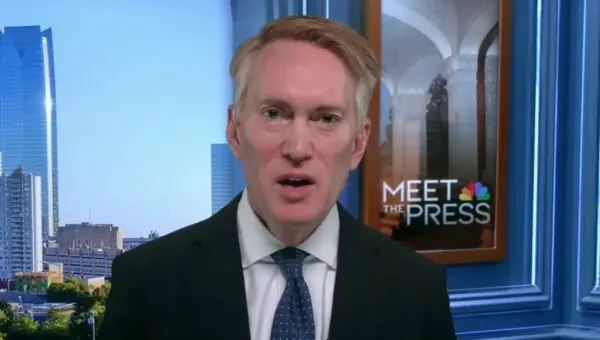
Senator Lankford: US Winning Iran Conflict, But Work Remains
Senator James Lankford stated the U.S. is winning its conflict with Iran, having achieved key military objectives like halting missile production and the nuclear program. However, he cautioned that "there's still work to be done." The senator also discussed troop deployments, congressional approval, and the ongoing dispute over Homeland Security funding.


Markets Brace for Extended Downturn as Rate Fears Rise
Stock markets are facing significant pressure, with the S&P 500 and Nasdaq in extended losing streaks. Rising oil prices due to geopolitical tensions and persistent inflation fears are fueling concerns about a prolonged downturn, potentially signaling the start of a bear market. Analysts warn that interest rates could continue to climb, impacting borrowing costs and economic growth.