Senator Caught in Election Integrity Hypocrisy
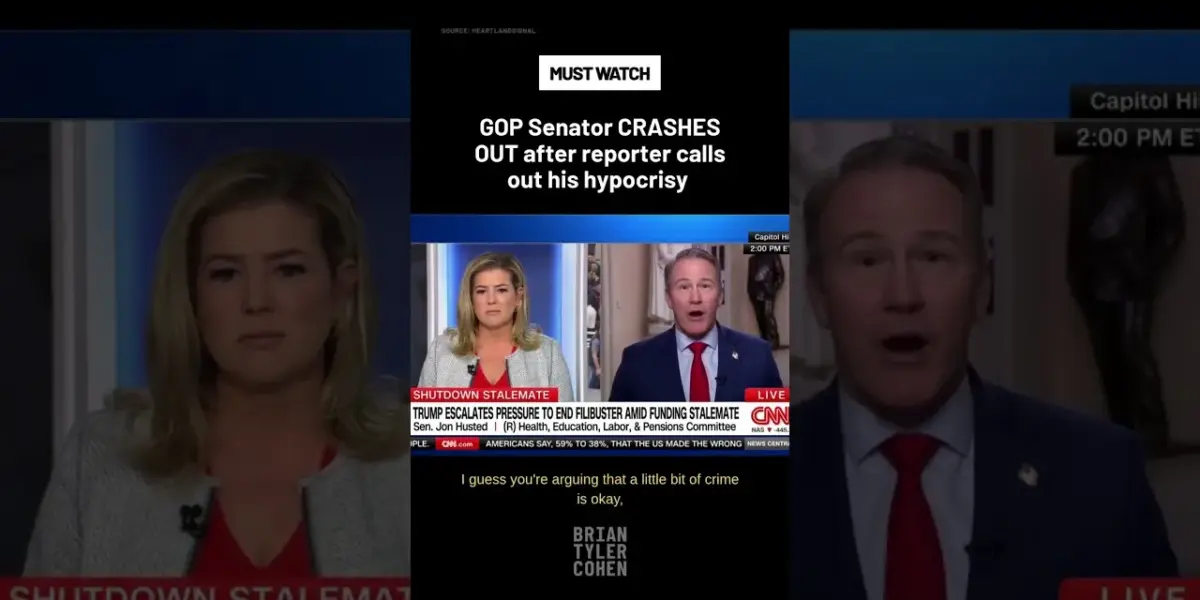
Reporters questioned Senator JD Vance about his past support for certain voting identification methods as Ohio Secretary of State. The exchange revealed a discrepancy between his earlier actions and his current stance on election security, sparking debate about his consistency.

Senator Caught in Election Integrity Hypocrisy
Reporters recently pressed Senator JD Vance on his views about election security. The exchange highlighted a sharp contrast between his past actions as Ohio Secretary of State and his current public statements. This has led to questions about his consistency on the crucial issue of voting rights and election integrity.
Past Practices vs. Present Claims
During his time as Ohio Secretary of State, Vance permitted voters to use utility bills, bank statements, or government checks to prove their identity. At the time, he described these methods as ensuring fair, safe, and secure elections. However, when questioned about this past practice, Vance acknowledged that fraud occurred even then.
When challenged by reporters who pointed out this discrepancy, Vance seemed to shift his stance. He stated that he was not arguing that a little crime was okay. Instead, he emphasized his desire for elections to be as successful and secure as possible. This response suggests a desire to move away from the specific methods he previously supported.
The Numbers Game on Election Fraud
The conversation then turned to the actual instances of election fraud. Vance mentioned that there were 29, or perhaps 30, cases of election fraud during his tenure. He claimed to have conducted his own audits and knew exactly what happened in Ohio since he was in charge of elections.
However, the reporter countered with different figures. They cited information suggesting that only one conviction resulted from cases initiated while he was Secretary of State. This directly questioned the scale of fraud Vance implied had occurred under his watch. Vance insisted on the accuracy of his numbers, stating he knew what happened from his own audits.
A Question of Consistency
The core of the exchange lies in Vance’s apparent change in perspective. While he once vouched for election systems that allowed for certain types of identification, he now seems to advocate for stricter measures, while downplaying the significance of fraud that did occur. This shift raises concerns about whether his current positions are based on evidence or political expediency.
Vance’s defenders might argue that his views have evolved as he has learned more about election security. They could say that his focus is now on strengthening the system to prevent any potential issues. However, critics point to the direct contradiction between his past approval of certain voting methods and his current emphasis on preventing fraud.
Why This Matters
The integrity of elections is a cornerstone of any democracy. When public figures appear to change their stance on such a fundamental issue, it can erode public trust. Voters need to feel confident that their electoral process is both secure and accessible.
This situation also highlights the ongoing debate surrounding election laws. Different states and political parties often have varying ideas about what constitutes secure voting. Some push for stricter identification requirements and limitations on voting methods, arguing it prevents fraud. Others worry these measures can disenfranchise eligible voters, especially minority groups and the elderly.
Historical Context
Concerns about election integrity are not new. Throughout American history, there have been debates and reforms aimed at ensuring fair elections. From the Voting Rights Act of 1965, which aimed to overcome barriers to voting, to more recent discussions about voter ID laws and mail-in voting, the conversation about how to best conduct elections is constantly evolving.
The current focus on election security has intensified in recent years. Following disputed election results and claims of widespread fraud, many states have passed new laws. These laws often include stricter voting requirements. This has led to legal challenges and political divides across the country.
Implications and Future Outlook
The exchange with Senator Vance reflects a larger political struggle. It involves defining what constitutes a secure vote versus an accessible vote. The outcome of these debates will shape how Americans cast their ballots in the future. It could also impact voter turnout and the perceived legitimacy of election results.
As political figures like Vance navigate these complex issues, their past statements and actions will likely face increased scrutiny. Voters are becoming more aware of these inconsistencies. This may lead to greater demands for transparency and accountability from those in power. The future of election law will likely be shaped by ongoing public discussion and potential legal battles.
Looking Ahead
Ultimately, the goal should be to ensure elections are both secure and accessible to all eligible citizens. Finding that balance is a difficult task. It requires careful consideration of different viewpoints and a commitment to the democratic process. The public’s trust in our elections depends on it.
Source: GOP Senator CRASHES OUT after reporters calls out his hypocrisy (YouTube)

Related Articles

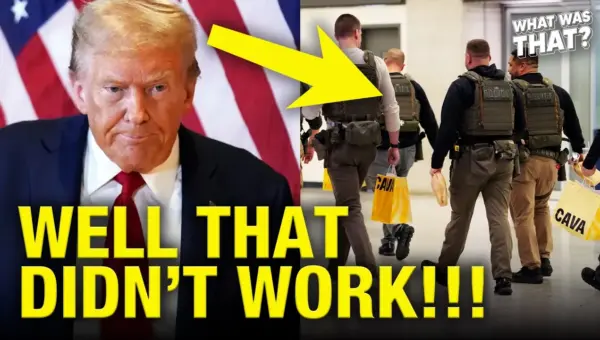
ICE Propaganda Campaign Aims to Rebrand Agency
A coordinated PR campaign is underway to rebrand ICE, using manufactured airport chaos and positive imagery to create a friendly public image. The strategy aims to normalize ICE's presence and potentially deploy them at polling stations for voter intimidation.

Vance Links UFOs to Demons, Not Aliens
Senator JD Vance recently suggested that UFOs might be demonic, not alien, drawing on religious interpretations of unexplained phenomena. This viewpoint contrasts with scientific and governmental investigations, highlighting diverse ways people understand the unknown.

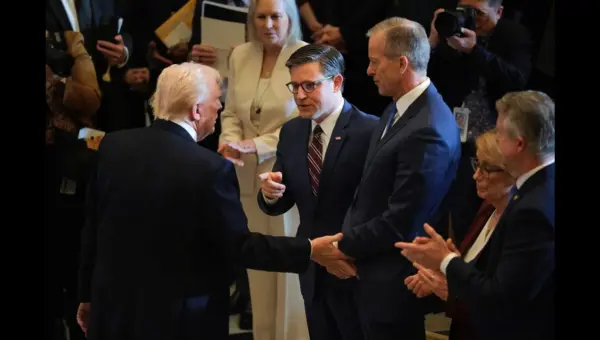
Ohio Race Signals Red State Shift: Can Democrats Flip a Senate Seat?
In a surprising turn, Ohio's Senate race sees Democrat Sherrod Brown leading in deep-red territory, fueled by voter anger over economic woes and Senator John Husted's controversial comments. The contest highlights a potential shift in voter priorities, with issues like affordability and foreign policy taking center stage.