Trump’s Health Under Scrutiny Amidst Global Tensions
Recent public appearances by Donald Trump have raised questions about his physical and mental health, with observers noting instances of slurred speech and unsteady movements. These concerns are amplified by geopolitical missteps and unusual anecdotes shared during official proceedings. The discussions extend to broader allegations of government cover-ups and the strategic maneuvering within political parties.

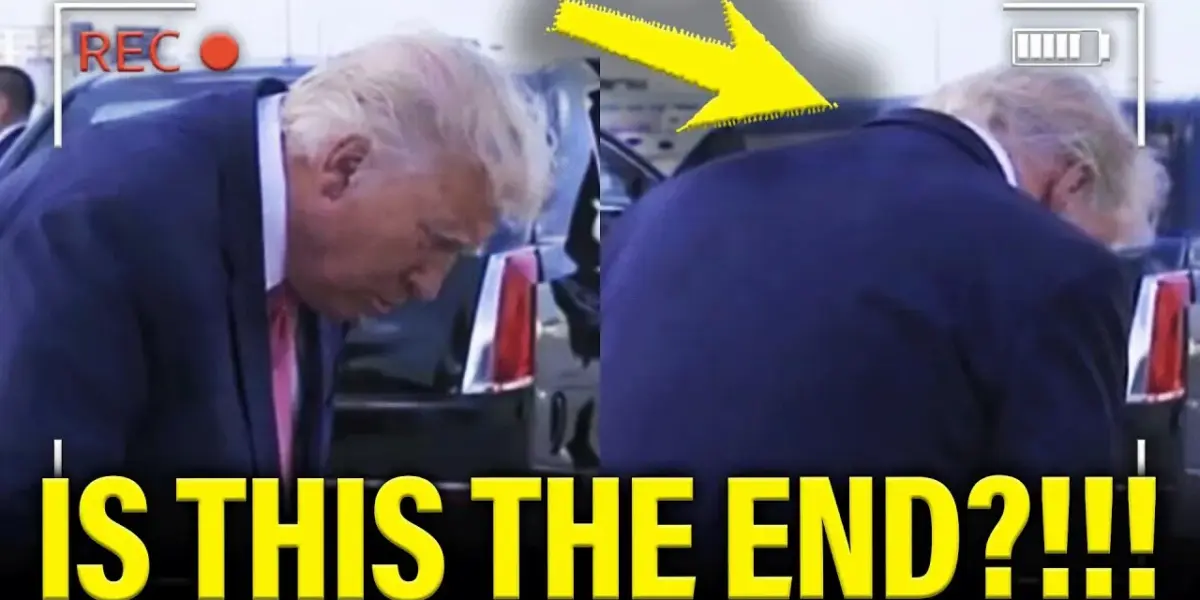
Concerns Mount Over Trump’s Public Appearances
Recent public appearances by Donald Trump have sparked widespread discussion and concern regarding his physical and mental well-being. Observers have pointed to instances where his speech appeared slurred, his face seemed to droop, and his movements appeared unsteady. These moments, often captured and shared online, have fueled speculation about his current health status.
One notable event involved Trump’s interaction with Dana Perino of Fox News. When asked about the escalating situation with Iran, Trump reportedly deviated from the topic, recalling a past lunch with Perino and complimenting her appearance. Another incident described involved Trump’s hand visibly spasming while standing next to Mark Wayne Mullen, with his posture described as unstable.
Sharpie Story and Misplaced Memories
Further fueling concerns was an account from a cabinet meeting where Trump reportedly spent significant time recounting a story about negotiating the purchase of personalized Sharpie pens for $5. The company that manufactures these pens stated they had no record of such a conversation and were unaware of the anecdote. This lengthy story, presented as a testament to his frugality, struck some as an odd use of valuable meeting time, especially given the gravity of other national and international issues being discussed.
Geopolitical Gaffes and Public Disinhibition
The transcript also highlights several instances where Trump’s public statements have been characterized as erratic or disinhibited. During a financial conference in Miami, as news broke of Iran launching ballistic missiles at an American military base in Saudi Arabia, Trump’s remarks focused on the need to open the “Strait of Trump,” a misstatement he quickly corrected to the “Strait of Hormuz.” This slip-up, along with others, has led some to question his focus and cognitive clarity during critical geopolitical moments.
His invitation to the audience to “ask me about sex” during a period of international conflict was also cited as an example of profound disinhibition. This behavior, juxtaposed with the serious global events unfolding, has led to sharp criticism and concern about his judgment and readiness to lead.
Historical Context of Health Speculation
Speculation about the health of political leaders is not new. Throughout history, the physical and mental fitness of presidents and candidates has been a subject of public and media interest. From Franklin D. Roosevelt’s polio to John F. Kennedy’s chronic health issues, the public’s awareness of a leader’s health can influence perceptions of their capability. In the modern era, with constant media scrutiny and the rapid spread of information online, such discussions can gain momentum quickly.
Congressional Perspective on Leadership
Democratic members of Congress have voiced strong opinions on these matters. Representative Sue Bellman, speaking on the issue, described Trump’s behavior as “clownish” but “deadly,” emphasizing the real-world consequences of erratic leadership. She expressed concern that such behavior would disqualify someone from running a homeowner’s association, let alone the presidency.
Bellman also noted the reactions of Trump’s own advisors and foreign leaders, whose expressions of disbelief at his conduct are seen as telling. The argument is made that this erratic behavior leads to chaotic domestic and foreign policy, harming the country daily. The focus on Trump’s personal conduct, rather than policy, is seen by some as a distraction from more substantive issues.
Republican Responses and Political Strategy
On Capitol Hill, the strategy among many Republicans appears to be a separation of Trump the person from Trump the policies. However, critics argue this is difficult when his policy positions can shift rapidly, as seen with his stance on engaging in conflict with Iran. The dynamic described is one where Republican lawmakers often find themselves defending or sidestepping Trump’s statements, even when they contradict their own past positions.
This approach is presented as a necessity for the party, which largely follows Trump’s lead. The challenge for Republicans is navigating these shifts, often leading to internal inconsistencies and public confusion. The call from Democrats is for their party to regain majorities to provide a necessary check on this perceived chaos.
The Epstein Investigation and Broader Cover-Up Allegations
Beyond the discussions of Trump’s health, the transcript touches upon the ongoing investigation into Jeffrey Epstein’s activities. The House Oversight Committee’s work, largely driven by Democrats, is described as a comprehensive effort to uncover the truth. Allegations of a cover-up involving law enforcement, including the FBI and DOJ, are prominent.
The focus is on the failure to interview key individuals and the alleged hoarding of potentially incriminating hard drives by private investigative firms. This is presented as another example where powerful individuals may be shielded from accountability, with the Department of Justice accused of covering up for the “president and his friends.” The release of millions of related documents remains a point of contention.
Impact on Public Opinion and Elections
The Epstein investigation is seen by some as a significant turning point, potentially contributing to a decline in Trump’s approval ratings. The argument is that revelations of alleged deception in such a serious matter can open voters’ eyes to potential dishonesty in other areas. This, in turn, could influence voter behavior in upcoming elections.
The discussion then shifts to redistricting efforts, particularly in Virginia. The transcript suggests that Republicans are engaging in gerrymandering to secure more seats, while Democrats are advocating for public referendums to ensure a fairer playing field. The importance of voting in these referendums is stressed as a way to counter efforts perceived as undermining democracy and to provide a check on presidential power.
Government Funding and Shutdowns
The transcript also addresses the contentious issue of government funding, specifically concerning agencies like ICE and Border Patrol. The argument is made that these agencies are already well-funded, and the push for additional funds is questioned. Democrats have proposed conditions for funding, focusing on issues like search warrants and conduct at polling stations.
The role of Donald Trump in these funding debates is highlighted, with accusations that he has deliberately sought to cause suffering, such as withholding pay for TSA employees, to politically damage opponents. The eventual decision to pay TSA employees is framed as a response to public inconvenience and pressure, rather than a proactive measure.
Why This Matters
The concerns raised about Donald Trump’s health and public statements are significant because they directly relate to the stability and effectiveness of leadership during times of national and international crisis. If a leader’s cognitive abilities are perceived as declining, it can impact decision-making, foreign policy, and public trust. The events described, from gaffes during geopolitical discussions to the focus on trivial matters during serious meetings, raise questions about preparedness and judgment.
Furthermore, the interplay between political rhetoric, media coverage, and public perception is crucial. The way these health concerns are discussed and framed can influence voter attitudes and election outcomes. The allegations surrounding the Epstein investigation and broader issues of accountability within government institutions also underscore the importance of transparency and the rule of law. Ultimately, these discussions touch upon the fundamental aspects of governance, public trust, and the health of democratic processes.
Implications and Future Outlook
The ongoing scrutiny of Trump’s health and public behavior suggests that these issues will likely remain a prominent feature of political discourse. For his supporters, these concerns may be dismissed as politically motivated attacks. However, for opponents and a segment of the undecided public, they represent genuine questions about fitness for office.
The future outlook depends on how these narratives evolve and whether concrete evidence or further incidents emerge. The upcoming elections will be a key test of how these concerns resonate with the broader electorate. Additionally, the ongoing investigations into matters like the Epstein case could have significant long-term implications for accountability and public confidence in institutions.
The political strategies employed by both parties, including the use of redistricting and legislative tactics, will also shape the political landscape. The ability of any administration to effectively govern is tied to public trust and the perceived competence of its leaders. The events described highlight the complex challenges facing the American political system and the importance of informed public engagement.
Source: Trump’s HEALTH COLLAPSES as WAR gets OUT OF CONTROL!!!! (YouTube)

Related Articles
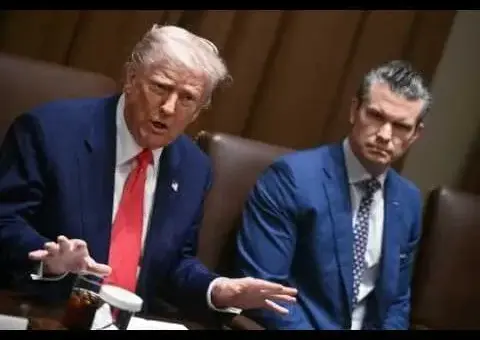
Trump’s Iran War Gamble: Broken Promises, Rising Costs
Reports indicate the Pentagon is preparing for ground operations in Iran, signaling a potential escalation of conflict. This move is criticized as a betrayal of campaign promises to avoid new wars and comes with rising gas prices and significant costs to American taxpayers. The analysis questions leadership priorities, contrasting campaign rhetoric with policy actions and highlighting the economic and human toll of prolonged military engagement.

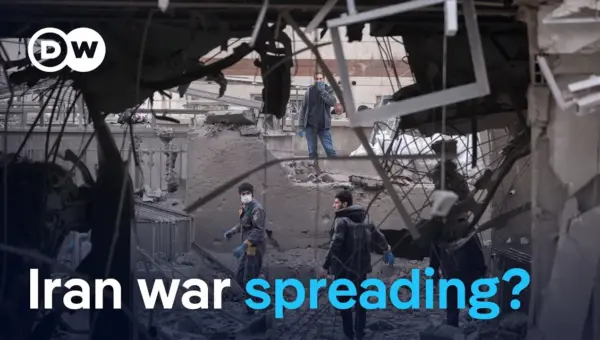
US Considers Ground Troops as Iran Conflict Intensifies
Middle East powers convene in Pakistan for peace talks as the month-long war intensifies. The US is reportedly considering ground troops amid escalating strikes on Iran, while experts caution against air power's political pitfalls and highlight the risks of a prolonged conflict.

Trump Weaponizes Pain for Voter Suppression, Critics Claim
A heated exchange reveals accusations that Donald Trump intentionally prolonged a government shutdown to weaponize public pain. Critics claim this strategy aimed to force the passage of a voter suppression bill, rejecting multiple Democratic proposals to fund the TSA. The debate also touched on historical funding decisions for agencies like ICE.