Regional Powers Meet Amid Escalating Iran Conflict
Regional leaders are meeting in Pakistan to discuss ending the Middle East conflict amid escalating tensions. The U.S. has deployed thousands of troops as Iran-backed Houthis enter the war and threaten regional interests. Diplomatic efforts face significant hurdles as Iran rejects a U.S. peace framework.

Middle East Tensions Rise as Regional Leaders Convene
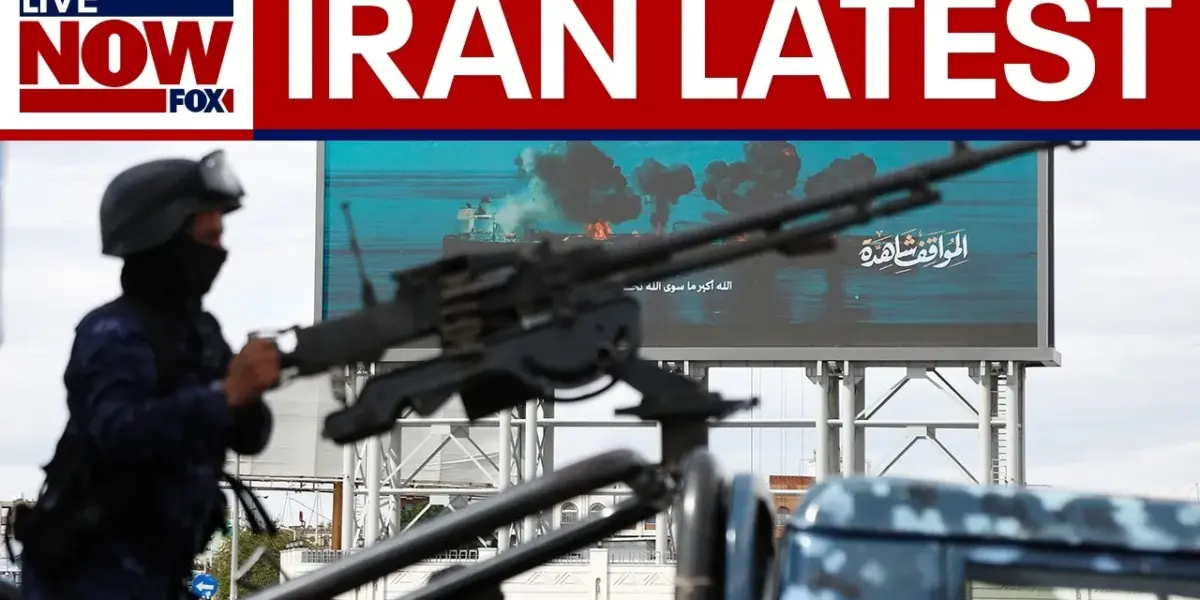
Beirut, Lebanon – Top diplomats from key regional powers are meeting in Pakistan today to discuss an end to the ongoing conflict in the Middle East. The talks come as the United States has sent thousands of additional Marines and paratroopers to the region. Meanwhile, Iran-backed Houthi rebels in Yemen announced their entry into the war, firing missiles at Israeli military sites for the first time on Saturday.
US Reinforces Military Presence
The U.S. Central Command confirmed that U.S. sailors and Marines arrived in the region on March 27th aboard the USS Tripoli. This America-class amphibious assault ship is the flagship for an expeditionary group of about 3,500 personnel, along with transport and fighter aircraft. This deployment signals a significant U.S. commitment to maintaining stability and projecting power in the volatile area.
Diplomatic Efforts Underway, Facing Hurdles
Foreign ministers from Saudi Arabia, Turkey, and Egypt are participating in the discussions in Pakistan. The goal is to open direct dialogue between the U.S. and Iran, which have largely communicated through intermediaries during the conflict. Pakistan’s prime minister stated he held extensive talks with Iran’s president about regional hostilities. However, the U.S. and Israel are not attending these specific meetings. Iran’s parliament speaker dismissed the talks as a facade, while Iran’s state media reported that Iran is ready to retaliate against U.S. troops and regional allies, warning against any ground invasion.
Iran’s Position and Actions
Despite participating in discussions about de-escalation, Iran’s actions suggest otherwise. The Revolutionary Guard has demanded that the U.S. stop Israel from striking Iranian universities and research centers. Iran warned that if its universities are spared, the U.S. must condemn Israeli strikes on them. The Revolutionary Guard stated that if the U.S. government wants its universities in the region to be safe, it should condemn the bombardment of Iranian universities by noon Monday.
In a seemingly contradictory move, Iran has eased some restrictions on commercial ships passing through the Strait of Hormuz. Iran agreed late Saturday to allow 20 more Pakistani-flagged vessels to transit this critical waterway. This decision, according to Pakistani officials, could be an attempt to show a willingness to cooperate while still maintaining leverage.
US Strategy: Pressure Without Ground Troops?
U.S. Secretary of State Marco Rubio stated on Friday that Washington can achieve its objectives without deploying ground troops. This comment comes even as thousands of U.S. troops are being sent to the region. An expert suggests these troops could serve multiple purposes. They may be positioned for potential ground operations, such as clearing the Strait of Hormuz, seizing Iranian energy installations, or targeting Iran’s nuclear sites. The deployment also aims to increase pressure on Iran as part of negotiations.
The US 15-Point Action List
The U.S. has presented Iran with a 15-point action list as a framework for a potential peace deal. These points reportedly reflect the Trump administration’s previous stance. They include requirements for Iran to verifiably give up its nuclear weapons program, curb its ballistic missile development, and restrict its regional proxy activities. So far, Iran has publicly rejected these terms, presenting counter-demands that are considered unrealistic by the U.S.
Regional Allies Reassess Their Stance
Countries in the Middle East, particularly in the Arab Gulf, are reassessing their position. Previously hoping to avoid collateral damage from the conflict, these nations now see Iran’s actions as a significant risk. Countries like Saudi Arabia and the UAE are reportedly preparing for potential military operations against Iran. They are also signaling to the U.S. and Israel that they want a decisive end to the conflict, aiming for a permanently weakened Iran. This marks a shift from seeking a quick resolution to demanding a more favorable outcome.
Concerns Over University Targets
The threat from Iran to target universities in the region is being taken very seriously. American colleges like Georgetown, New York University, and Northwestern have campuses in Qatar and the UAE. Experts note that Iran often retaliates in kind when its facilities are attacked. However, they also point out that many Iranian universities targeted by Israel are believed to have dual purposes, serving as military and research sites, unlike Western universities in the region.
Leadership and Escalation
Questions about who is truly in charge in Iran are surfacing, especially regarding the new supreme leader’s status. However, it is clear that the Islamic Revolutionary Guard Corps (IRGC) is increasingly influential. Appointments of high-level officials show strong connections to the IRGC, whose stance has consistently been defiant towards the United States. This suggests that hardliners who oppose compromise are now leading Iran.
Broader Conflict Expansion
The involvement of groups like Hezbollah and the Houthis signals Iran’s intent to expand and prolong the conflict. From Iran’s perspective, this strategy aims to wear down Israel and the U.S., forcing them to seek a resolution favorable to Iran. While Israel’s air defenses can handle many Iranian missiles, attacks from multiple fronts, including Hezbollah and the Houthis, strain Israeli defenses and divert resources.
Looking Ahead: The Strait of Hormuz
In the coming weeks, attention will remain focused on the Strait of Hormuz, a critical global energy and shipping chokepoint. Iran’s actions regarding passage through the strait will be closely watched. Whether Iran continues to believe it controls this vital waterway could significantly impact future U.S. military considerations and determine the outcome of the conflict.
Source: Regional leaders gather for talks on ending Iran war (YouTube)

Related Articles


Pope Rejects Prayers of War Leaders, Urges Peace in Iran Conflict
Pope Leo delivered a forceful message during Palm Sunday Mass, stating that God rejects the prayers of those waging war, particularly in the context of the ongoing conflict with Iran. His words serve as a moral counterpoint to religious justifications for military action, drawing on a tradition of papal calls for peace.
Marines Surge to Strait of Hormuz Amid Escalation
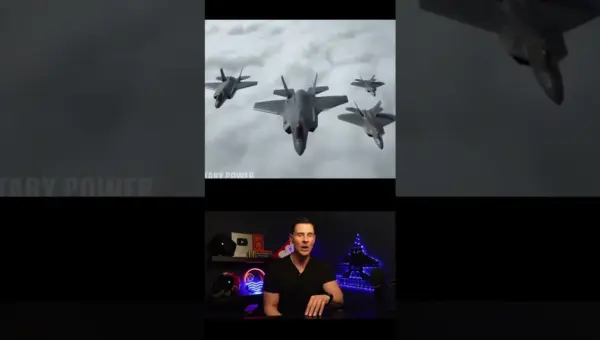
The 31st Marine Expeditionary Unit has arrived in the Middle East with F-35B stealth fighters, signaling a new phase in Operation Epic Fury. Their mission includes securing the Strait of Hormuz and deterring Iranian threats. The deployment emphasizes the critical need for air superiority before committing ground forces.


US Public Opinion May Soon Clash With Trump’s Iran War Stance
Tens of thousands protested nationwide against the Trump administration's military actions, particularly concerning Iran. While public opinion largely opposes the war, the administration is proceeding without broad consent, leading to potential clashes. Economic concerns and shifting global alliances add further complexity to the escalating conflict.